

This is a custom HTML / JavaScript Element
In order To See Your Custom HTML/JavaScript Code in Action You Must Click On The Preview Page Button, Your Code is NOT going to be active in the edit mode
Creed Strength & Fitness: Inside the Training Methods Driving Real Results
Location: Chico, California
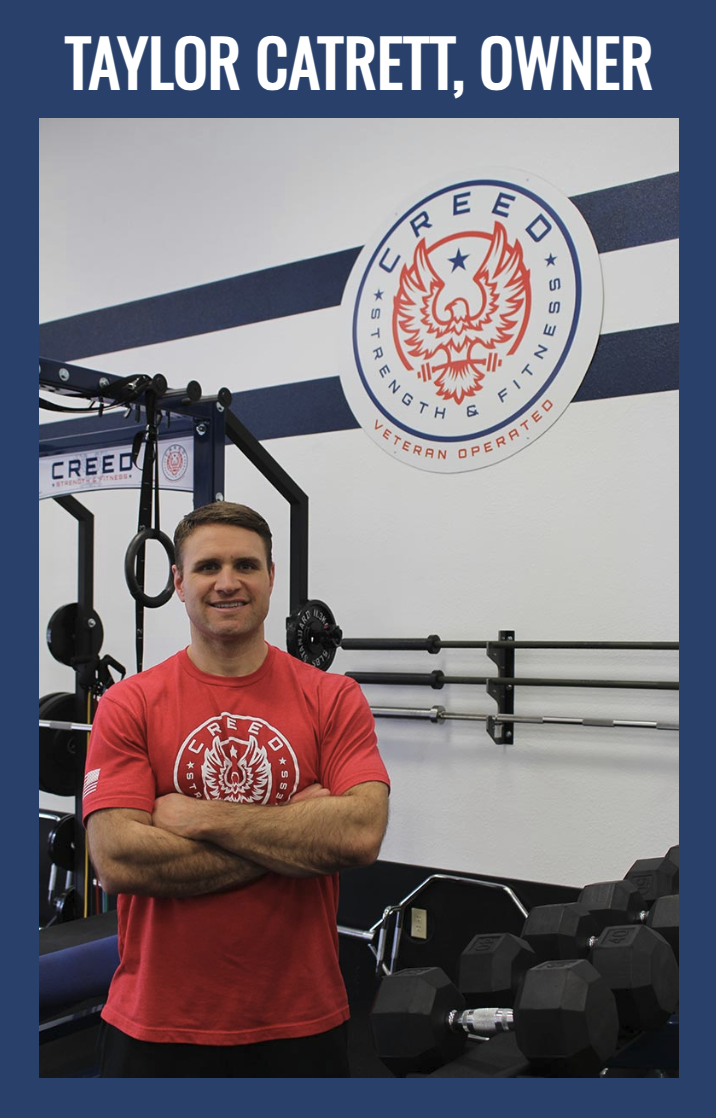
Founder / Coach: Taylor Catrett
Training Focus: Semi-private personal training, progressive strength work, mobility, corrective exercise, total-body programming, and functional capacity for daily life.
The phrase “real results” can be overused in fitness. At Creed Strength & Fitness, it means something more specific. It means a client can repeat a movement with better control. It means a weight can be added intelligently. It means a person who once avoided the floor can get up with more confidence. It means strength is judged not only by what happens inside the gym, but by how that work changes the way a person moves through life.
Taylor Catrett’s approach is methodical rather than improvised. The gym’s semi-private format gives members the atmosphere of training alongside others, but the actual coaching remains individualized. A client may be working the same general movement pattern as the rest of the room, yet the version, load, reps, range of motion, and progression can change based on ability, history, and readiness.
- How Creed Strength & Fitness structures training blocks around repetition, progression, and exercise mastery.
- Why Catrett modifies exercises instead of forcing every client into the same movement.
- How mobility and corrective exercise support the gym’s strength training system.
- What “real results” look like beyond appearance, including confidence, function, and everyday capability.
- Why Creed Strength & Fitness stands out as a coaching-centered gym in Chico.
Catrett’s background gives context to the method. He grew up as a multi-sport athlete, later played junior college football, served in the Army, led physical training, studied kinesiology, pursued graduate education, and spent years working in fitness environments before opening his own gym. That path matters because his coaching is not built around a single trend. It is built around preparation, performance, leadership, and the practical realities of training real people.
At Creed Strength & Fitness, that experience shows up in the details. The method is not simply to make workouts harder. It is to make training more appropriate, more repeatable, and more effective over time. Catrett’s standard is visible in the way he chooses variations, adjusts sets, watches movement, and teaches clients that strength is developed through practice as much as effort.
One of Creed Strength & Fitness’s clearest training methods is the use of repeated workout blocks. Catrett described a structure where day-one, day-two, and day-three workouts stay consistent across several weeks. That choice separates the gym from a random-workout model. Clients are not constantly being surprised for entertainment. They are being given time to learn.
Repetition allows technique to improve. It allows coaches to see what is changing. It gives members a clear path to add weight, refine form, and understand what progress feels like. In Catrett’s system, the body is asked to adapt through progressive overload, but the progression is not careless. It is connected to skill, readiness, and how the client is feeling that day.
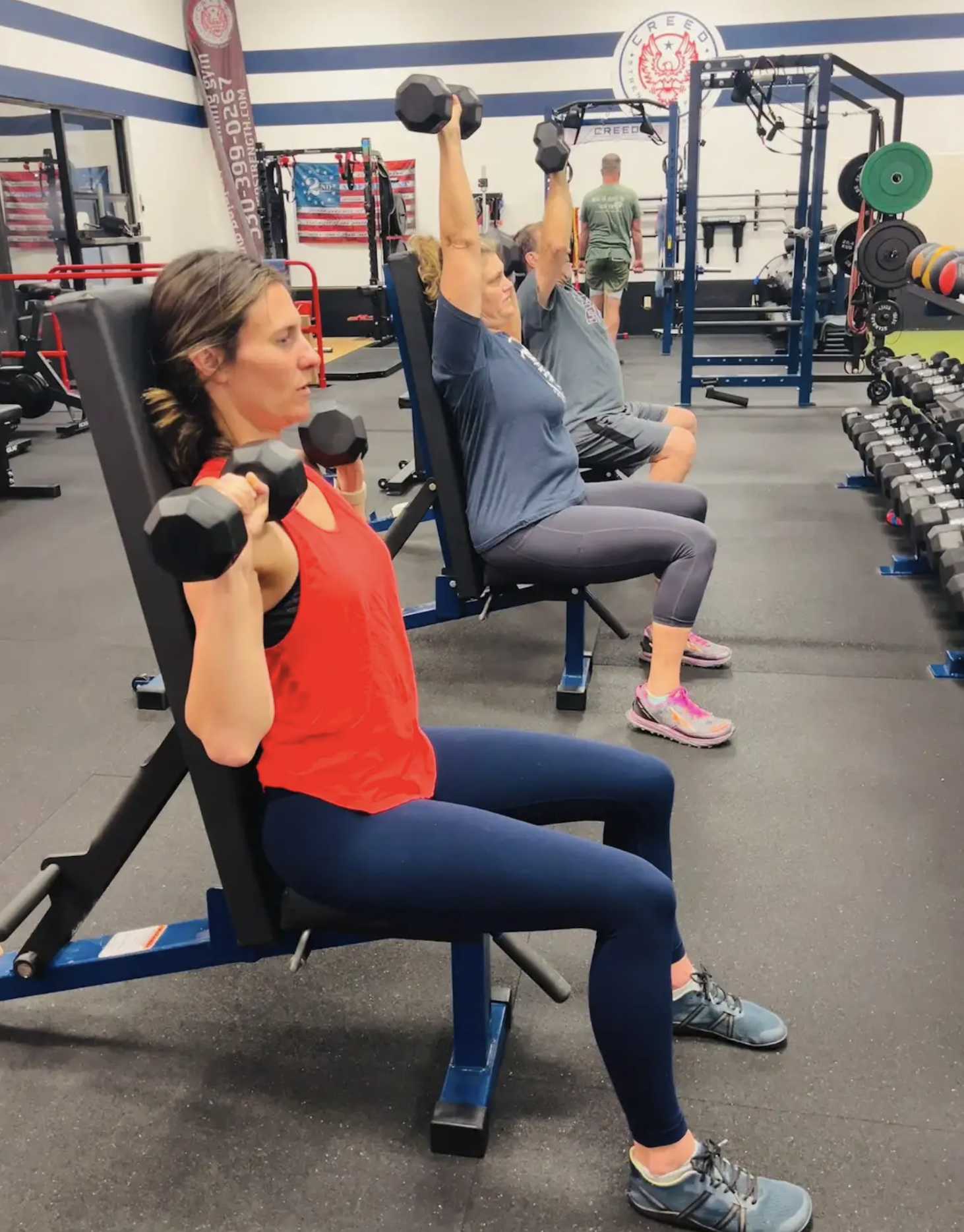
The gym’s training methods depend heavily on modification. Catrett does not describe a system where every member does the exact same lift the exact same way. If the training category is a squat, one client may use a stability ball against the wall, another may use suspension assistance, another may goblet squat, and another may eventually progress to heavier barbell work.
That is not a softer version of coaching. It is more precise coaching. Catrett’s method requires him to understand the client’s injury history, training background, posture, alignment, confidence, and current ability. The workout may be shared by the room, but the starting point is individualized.
That is how Creed Strength & Fitness can train a wide age range without lowering the standard. The standard is not that everyone performs the hardest version. The standard is that everyone trains at the level that can move them forward.
Catrett’s definition of progress includes strength, muscle definition, confidence, and body composition, but the deeper measure is usefulness. He talks about people realizing they can do something they did not think they could do. He talks about getting up off the ground, playing with grandchildren, skiing with more capacity, and feeling the difference between training as exercise and training as preparation for life.
That is where the headline becomes concrete. The training methods drive real results because the work has a purpose beyond fatigue. A client is not just completing sets. They are learning to produce force, control movement, recover between efforts, handle discomfort, and build confidence through repetition.
Catrett also keeps the timeline honest. He does not present lasting change as something that happens in a few workouts. But he does point to the early benefits that can come from consistent training: more energy, better confidence, improved movement, and the feeling that the body is beginning to respond.
The training process begins before the workout begins. Catrett described sitting down with new clients to understand goals, injury history, past experience, and what they need from the gym. That conversation determines how the method is applied. A client who has not trained in years may begin with fewer sets. Another may need a modified range of motion. Another may be ready for more load, but still need technical coaching.
That is the advantage of Creed Strength & Fitness’s semi-private format when it is coached well. Members train around others, but they are not treated as interchangeable. The gym can create energy in the room while still giving each person a version of the workout that belongs to their body and their stage of training.
The result is a training environment that is demanding without being careless. Catrett wants clients to experience challenge, discomfort, and muscular fatigue when appropriate. But he also wants them to listen to their bodies, adjust when needed, and build strength that can last.
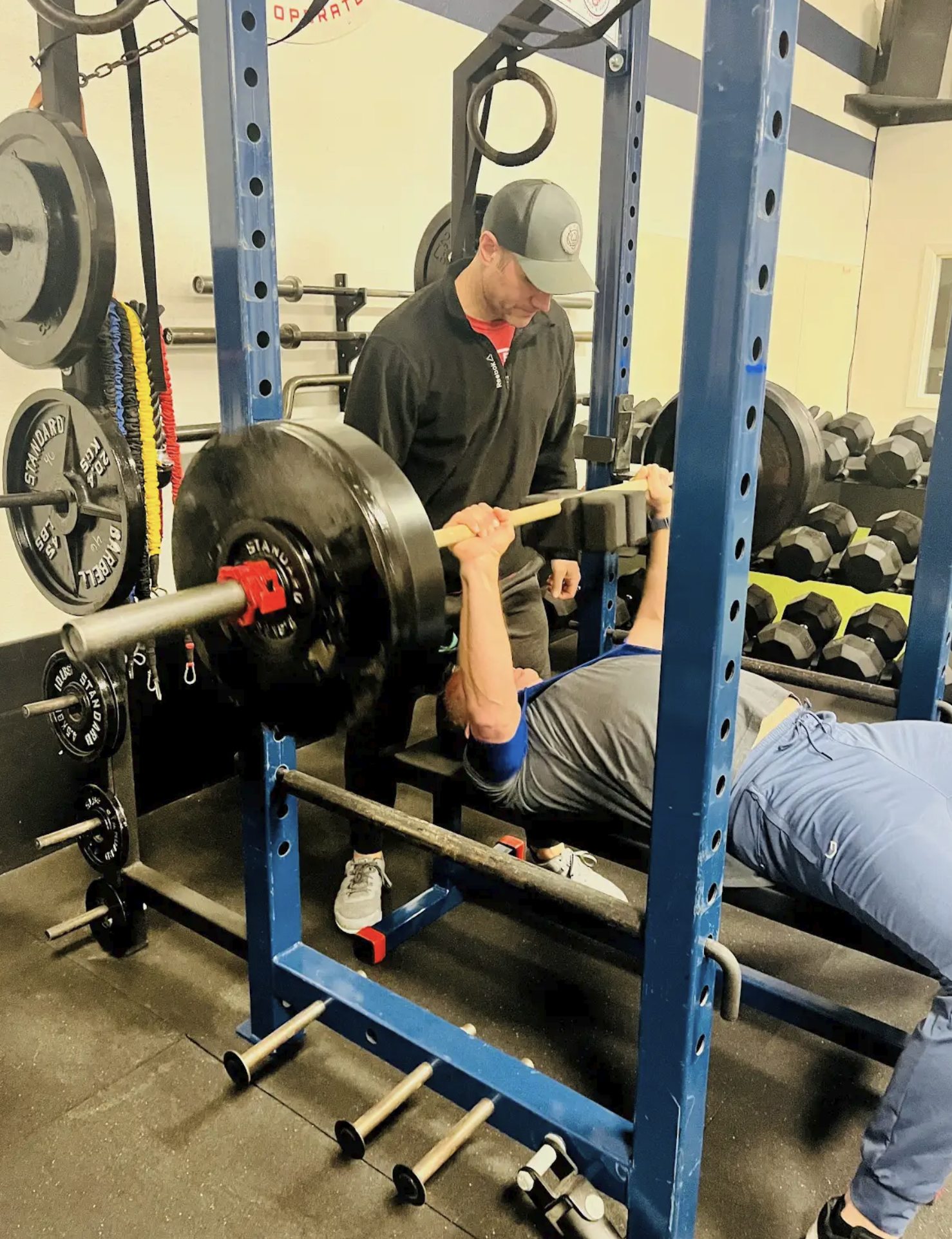
Many people join a gym hoping the environment itself will solve the problem. Creed Strength & Fitness operates from a different assumption. Equipment matters, but coaching decides how useful that equipment becomes. The same squat rack can intimidate one client, challenge another, and help a third make meaningful progress if the coach knows which version belongs to which person.
Catrett’s gym includes turf, racks, cables, row machines, air bikes, dumbbells, kettlebells, sleds, barbells, trap bars, and suspension trainers. The important point is not that the tools exist. It is that the tools allow him to build progressions. A client can begin with assistance, develop control, add load, and move toward more demanding work when the foundation is ready.
That makes the gym relevant to a broad range of people, from young athletes to older adults. Catrett described clients as young as nine and members in their 80s. Serving that range requires more than enthusiasm. It requires a system that can scale.
Creed Strength & Fitness is a local example of training that is structured enough to produce direction and personal enough to respect the individual. That combination matters in Chico because many people do not need more fitness noise. They need a coach who can help them start correctly, stay consistent, and progress without guessing.
For an older adult, that may mean moving with more confidence. For an athlete, it may mean preparing the body more seriously. For a busy adult returning to fitness, it may mean discovering that discomfort is not something to fear when the work is coached, scaled, and tied to a purpose.
- Creed Strength & Fitness uses repeated training blocks instead of random daily workouts.
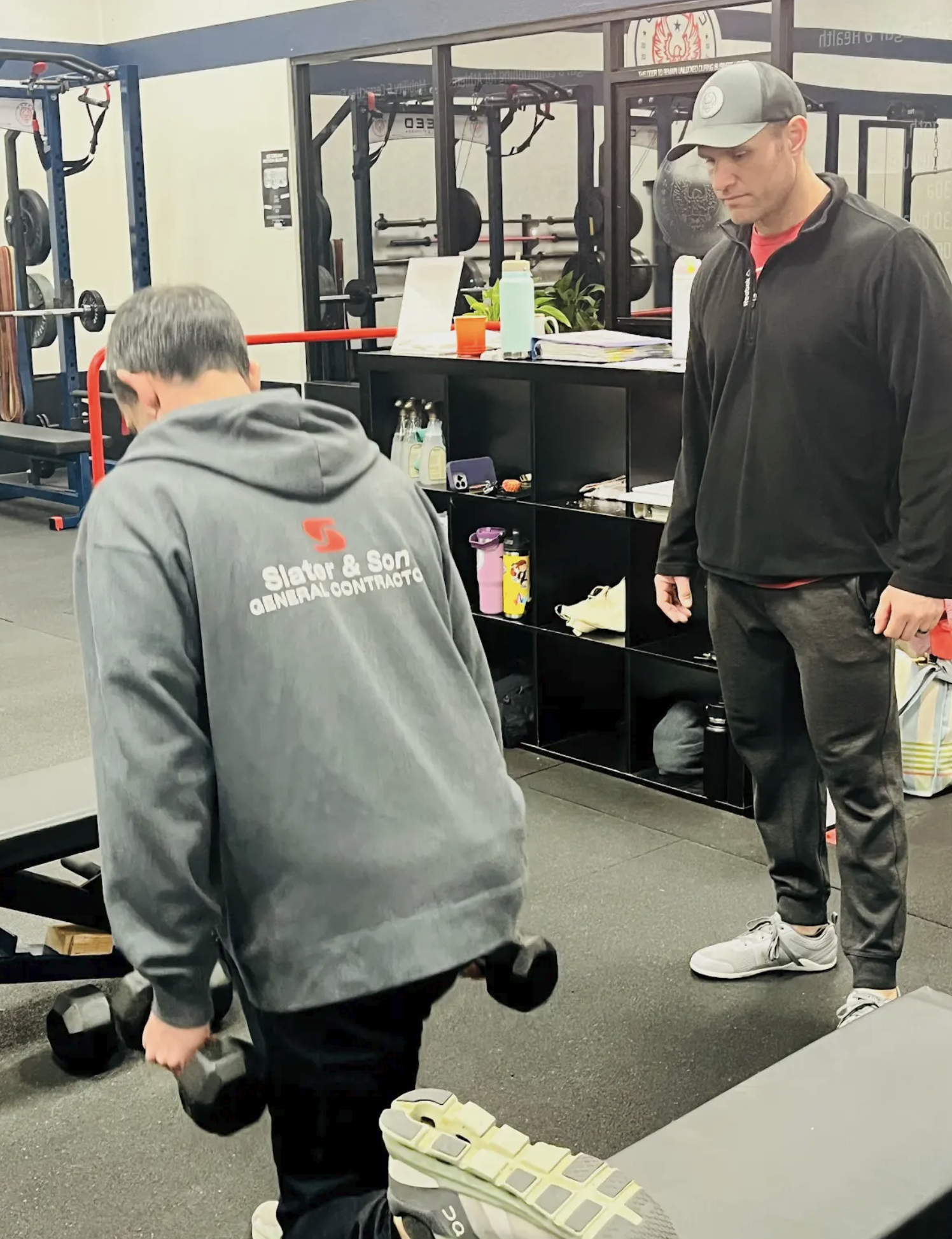
- Catrett’s coaching method relies on exercise variations that match the client’s ability, history, and readiness.
- Progressive overload is used with attention to movement quality and appropriate challenge.
- Mobility and corrective exercise support the gym’s broader strength training system.
- The gym’s definition of real results includes strength, confidence, function, and everyday capability.
Creed Strength & Fitness’s strongest claim is not that training is easy, fast, or automatic. It is that training works best when it is coached with intelligence. Catrett’s method asks clients to repeat, progress, listen, adjust, and commit to the process long enough for the body to adapt.
In Chico, that gives Creed Strength & Fitness a clear editorial distinction: it is a gym where training methods matter, coaching decisions matter, and results are measured by what people can do with the strength they build.
Readers interested in Taylor Catrett’s semi-private strength training model, progressive programming, mobility-focused coaching, and practical approach to strength can learn more about Creed Strength & Fitness online.
Visit Creed Strength & FitnessTaylor Catrett leads Creed Strength & Fitness with a coaching philosophy built around progressive strength work, semi-private personal training, mobility, corrective exercise, and exercise modifications. His work serves adults, older members, general clients, and young athletes who want structured training with practical coaching behind it.


Write A Comment