
This is a custom HTML / JavaScript Element
In order To See Your Custom HTML/JavaScript Code in Action You Must Click On The Preview Page Button, Your Code is NOT going to be active in the edit mode
Location: Irvine, California (Orange County)
Owner / Training Philosophy Source: Eddie Wang
Competitive Background: Seven-year competitive bodybuilder and five-time champion
Business Type: Private, appointment-based gym, specialist personal training environment, and members-only training community
Training Focus: Hypertrophy and strength development, form-first progression, level-matched coaching, recovery and lifestyle habits, and a curated multi-discipline trainer roster.
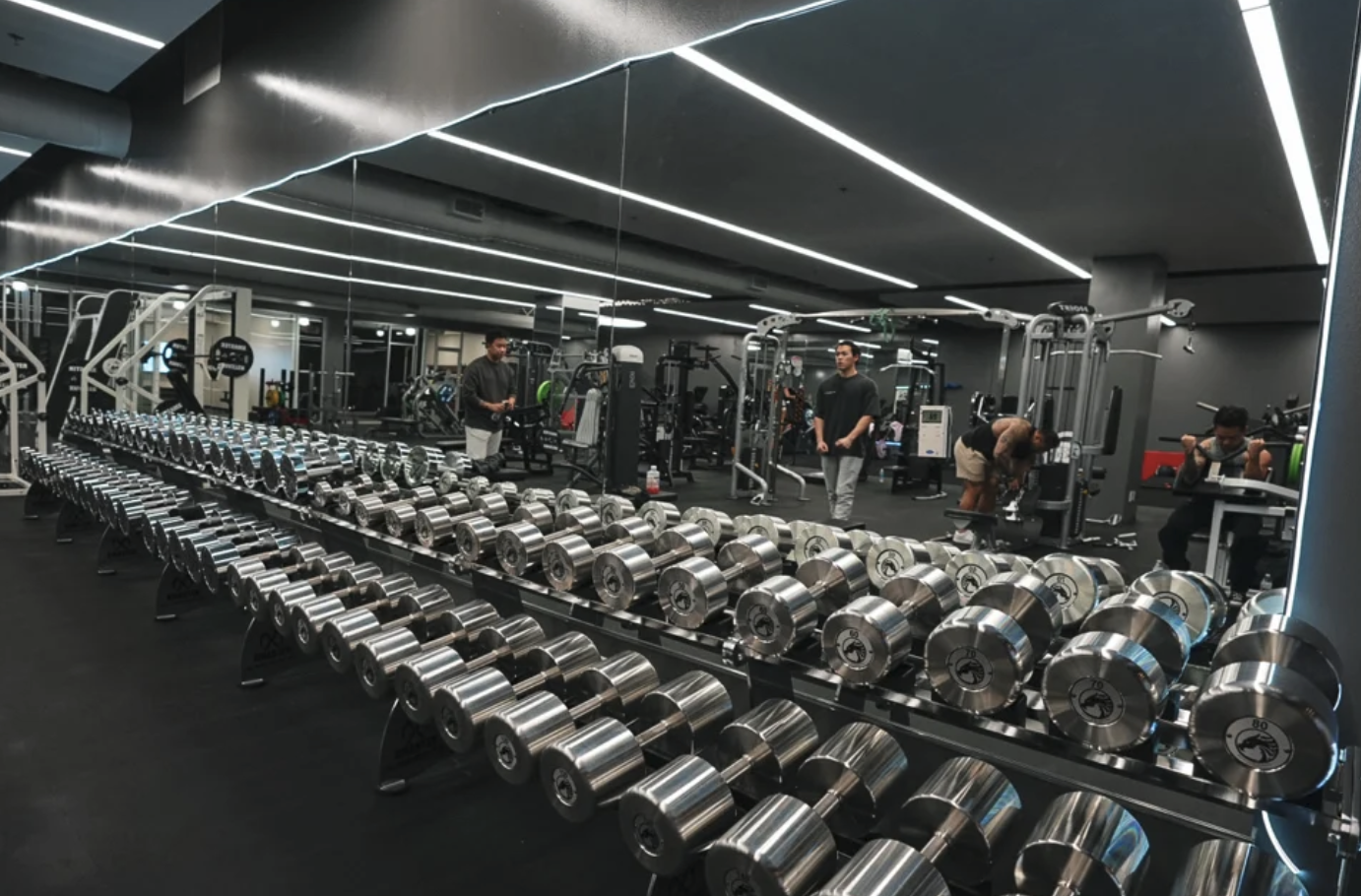
Eddie Wang's authority as a fitness leader is earned rather than borrowed. He spent seven years as a competitive bodybuilder, winning five times across roughly fifteen events, before stepping away from the stage to build a gym. What he carried out of competition was not only muscle. It was a way of working, a habit of choosing one objective and giving it everything, that now runs through every part of One Step Fitness.
That discipline explains the room he built. One Step Fitness is private and appointment-based, closed to walk-in traffic and shaped around members who want a serious place to train without the exposure of a commercial gym. Roughly 580 people belong to it, and many of them treat it less like a stop and more like a place to spend the afternoon. Training, then the lounge, then the people. The gym and the community are not separate ideas here. They are built to hold each other up.
- Why Wang built One Step Fitness as a private, appointment-based environment rather than an open commercial floor.
- How his competitive-hypertrophy background shapes a form-first coaching sequence for every experience level.
- Why the early phase of training centers on sleep, recovery, and daily habits before intensity climbs.
- How a roster of roughly thirty specialist trainers lets one gym serve nearly every training goal under one roof.
- Why diversity and vibe function as an operating standard, not a slogan, inside the member experience.
Wang's method begins with an honest read of the person. He is direct that the program he once used as a competitor cannot be handed to someone new to the weight room without risking injury and discouragement. So the first work is not heavy. It is technical. A member learns the movement, the full range of motion, and the mind-muscle connection that makes each exercise mean something before load and volume enter the picture.
The sequence matters. A workout can look impressive and still build the wrong foundation. Wang's approach is more interested in earning the right to progress. Once the form holds and the connection is there, weight and volume are added in measured steps. That patience is what allows one gym to serve a beginner and an experienced lifter inside the same room without lowering the standard for either.
There is also a lifestyle layer underneath the training. Wang tells new members plainly that no one becomes what they admire in two or three sessions a week. What they can control is how they live. He puts early attention on sleep and recovery, because a member who arrives rested and fueled trains better than one who simply grinds. The method is serious precisely because it starts before the first rep.
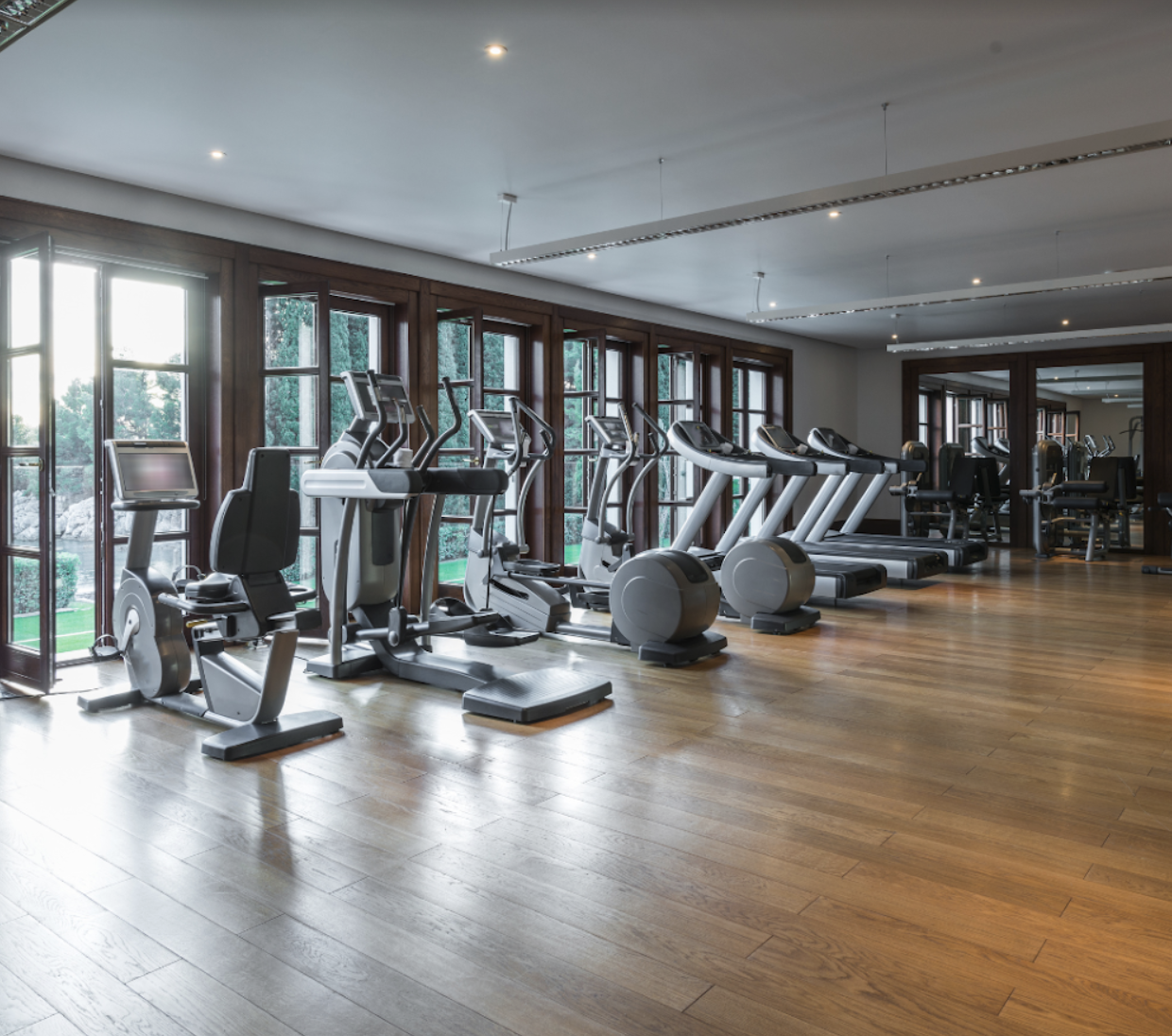
Wang trained for muscle through most of his competitive life, working with time under tension, control, and deliberate weight rather than speed or general performance. Building shape, in his words, meant respecting the mechanics of each movement. That habit did not leave him when he stopped competing. It became the entry point he now uses with everyone who walks through the door.
For a newcomer, form is not a warm-up to the real work. It is the real work. Wang has members build correct patterns and a genuine mind-muscle connection first, because a rep done well is worth more than a heavier rep done poorly. Only after that foundation holds does the training earn the right to load. His own approach has also softened with time. He now trains for health as much as size, a shift that keeps the standard demanding without making intensity the only measure.
That is the quiet source of the gym's authority. One Step Fitness does not treat exhaustion as proof of a good session. It treats sound movement, honest progression, and a member who can keep training as the real evidence that the method is working.
The reach of One Step Fitness comes from its bench. Wang has built a roster of roughly thirty trainers, including independent coaches, covering strength, endurance, hypertrophy, shaping, and boxing. There are male and female trainers, coaches who speak Chinese, and coaches who speak several languages. He is candid that the gym does not offer yoga or Pilates, but for nearly everything else, a member can find the right specialist under one roof.
That breadth is a coaching decision, not a marketing one. Different goals require different expertise, and different people connect with different coaches. By assembling a deep, varied roster, Wang makes it possible to pair a member with a trainer who fits their goal, their language, and their season of training rather than forcing everyone through a single template.
The environment supports that same intention. Because access is private and appointment-based, members are not waiting in line for a machine the way they would in a commercial gym. And because Wang trains on the same floor he owns, maintenance is immediate. When a piece needs fixing, he fixes it. When a member asks for a specific machine, he sources it, often within a week or two.
Wang's view of a new member's first weeks is refreshingly unglamorous. He does not promise a dramatic before-and-after. He asks a harder question first: are you serious about changing? If the answer is yes, the early work is about learning to live a healthier pattern, not simply surviving a few hard sessions.
The first thing many members notice, in Wang's experience, is that they sleep better. He puts early attention on sleep and recovery on purpose, because a rested member arriving in good condition trains far better than one who is running on empty. The gym becomes a place to learn how to perform outside its walls, not just inside them.
This makes the model more durable than a quick-fix plan. Wang is realistic that no one becomes what they admire in a couple of sessions a week. What a member can control is their pattern, and once the pattern is in place, the training can be pushed toward more intensity with a foundation strong enough to hold it.
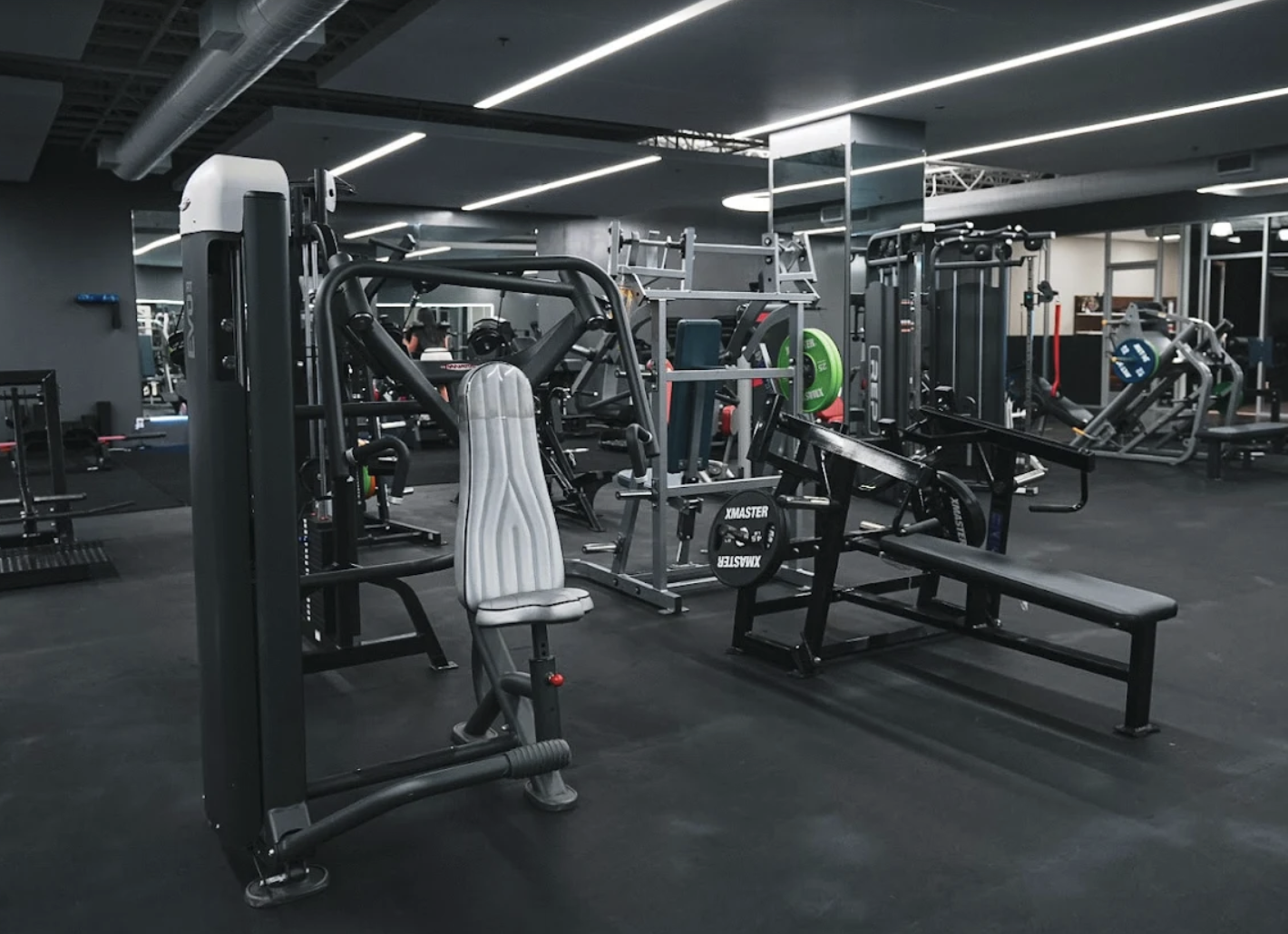
Ask Wang what changes first, and he does not point to the scale. He points to rest. In his account, the earliest sign that the work is taking hold is that members start sleeping better, which then feeds the energy and recovery that make everything else possible. Physical change follows, but it follows a foundation rather than replacing it.
The changes he speaks about most warmly are not only physical. He describes members arriving shy, uneasy about their current shape, and reluctant to be seen in a busy commercial gym, then slowly opening up as their confidence grows. Watching someone move from training quietly in a corner to talking easily with the room is, in his words, one of the things that makes him proudest of the gym.
That reflects a mature standard. Most members are not training for a stage, a scoreboard, or a photo shoot. They are training to live and perform better, and to feel comfortable in their own skin. One Step Fitness serves that reality with structure, privacy, and a community that makes the work easier to sustain.
One Step Fitness serves roughly 580 active members, according to Wang's interview, and the design of the space encourages them to stay. A member might train for an hour and remain for two or three more, moving from the floor to the lounge to conversation. Wang describes it as community-based and high-end, an urban gym where people make real friends rather than passing through anonymously.
Privacy is a deliberate part of that experience. Access runs through appointment or online registration, which keeps the room from filling with foot traffic and gives members who feel self-conscious a place to train without fear of being judged. For people returning to fitness or uneasy about their current shape, that protection is often what makes showing up possible in the first place.
The culture is also intentionally diverse. Wang's roots are in the Chinese bodybuilding community, and he has become a bridge for competitors traveling to the United States, but he is clear that One Step Fitness is not a single-culture space. Members come from many backgrounds, and the gym is built to let those cultures mix. He sums the whole thing up in two words: diversity and vibe.
One Step Fitness stands apart because Wang refuses to treat the business as a transaction. He describes it as passion driven rather than money driven, and that framing is visible in the details. He handpicks every piece of equipment, trains on it himself, and treats a member's request for a specific machine as something to solve, not to deflect. The room feels chosen because it was.
His competitive record gives the standard weight. Five championships across seven years is not a marketing line. It is evidence of someone who understands what serious training requires and what it costs. But rather than turning the gym into a temple for hardcore lifters, Wang has aimed it at a wider audience, offering the same rigor to a beginner as to an athlete, adjusted for where each person stands.
His ambition points in the same direction. Wang speaks about setting the standard for the training experience across Irvine, Orange County, and Southern California, and about opening a second location. What he does not describe is a desire to dilute the experience as he grows. The plan is to expand the reach of the standard, not to loosen it.
- One Step Fitness is a private, appointment-based gym in Irvine, California, led by five-time champion bodybuilder Eddie Wang.
- The model translates competitive-hypertrophy discipline into a form-first coaching sequence matched to each member's level.
- Recovery, sleep, and daily habits are treated as the foundation of results, not an afterthought to intensity.
- A roster of roughly thirty specialist trainers covers strength, hypertrophy, boxing, endurance, and shaping, giving members wide access under one roof.
- The gym's culture, which Wang sums up as diversity and vibe, is designed so members are known, not processed.
One Step Fitness reads less like a gym and more like a decision applied consistently. Wang chose the room, the equipment, and the coaches, then built a sequence that meets each member where they are and moves them forward only when the movement is ready.
For readers in Irvine who want a private, serious place to train, the signal is clear. The environment is curated. The coaching is matched. The progression is earned. And the standard behind all of it is the same one Wang once carried onto the stage.
For readers who see themselves in Wang's approach, the first step is not a long-term commitment made from a distance. It is to experience the environment directly. The curated floor, the specialist coaching, and the energy of a private gym built around focus rather than crowds.
Wang's recommended starting point is straightforward. Reach out to the team to arrange a visit or a day pass, come train, and feel whether One Step Fitness matches what you are looking for. From there, the decision to join is yours to make.
Visit One Step Fitness
Eddie Wang is the founder of One Step Fitness in Irvine, California, and a five-time champion across roughly fifteen bodybuilding competitions over a seven-year career. That competitive background shapes the gym's standard: form-first coaching, level-matched programming, recovery-minded training, and a curated private environment where members are met by name. His stated aim is to set the standard for the training experience across Irvine, Orange County, and Southern California.
Muscle & Authority Magazine™ developed this authority feature using a recorded editorial interview with Eddie Wang, business context supplied for One Step Fitness, the gym's official website, and provided image and logo assets. The review centered on the gym's training method, coaching sequence, private access model, member environment, and local position in Irvine.
This article is editorial in nature. It is not medical, rehabilitation, nutrition, or individualized training advice, and it does not make medical claims, guarantee outcomes, fabricate credentials, rely on unsupported testimonials, or present unsupported transformation promises.


Write A Comment