

Add Post Title Here ..
In order To See Your Custom HTML/JavaScript Code in Action You Must Click On The Preview Page Button, Your Code is NOT going to be active in the edit mode
Reidt Fitness Systems: Inside Costa Mesa’s Elite Baseball Training System
Location: Costa Mesa, California
Founder / Training Lead: Josh Reidt
Business Type: Baseball-specific strength and conditioning facility
Training Focus: Three-dimensional athleticism, mobility-first strength, barefoot training, overhead athlete development, baseball strength and conditioning, recovery, remote programming, physical therapy access, and long-term athlete preparation.
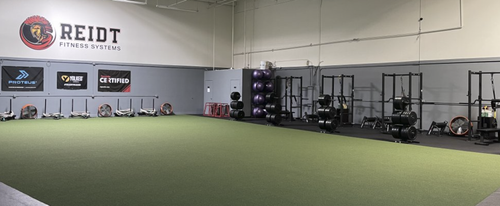
Josh Reidt did not arrive at strength and conditioning from theory alone. He arrived through sport, injury, frustration, study, and the long search for answers after his own baseball career was interrupted by a significant throwing-arm injury. That history matters because it explains the tone inside Reidt Fitness Systems. The gym is not built around spectacle. It is built around the questions serious athletes eventually have to face: how do I move better, recover better, throw harder, stay healthier, and become more prepared for the next level?
The answer, in Reidt’s model, is not simply to lift heavier. For baseball players and overhead athletes, strength has to exist inside the ranges and movement patterns the sport actually demands. The shoulder, hip, foot, ankle, pelvis, spine, core, and nervous system are not treated as separate pieces. They are part of the same athletic chain.
- Why Reidt trains athletes through all three planes of motion instead of relying on one-dimensional strength work.
- Why mobility, range of motion, and joint integrity come before heavier loading in his model.
- How barefoot training connects the foot and ankle to ground force, rotational power, and baseball performance.
- Why efficient, under-an-hour workouts can be more productive than excessive training volume.
- How Reidt uses in-person coaching, physical therapy access, remote programming, and relationships to support serious baseball athletes.
Reidt’s training philosophy begins with three-dimensional athleticism. Baseball is not played in one clean line. An athlete has to rotate, decelerate, stabilize, accelerate, redirect, throw, hit, recover, and repeat. That is why Reidt places a premium on movement through the sagittal, frontal, and transverse planes rather than treating strength as something that lives only in the weight room.
The distinction is important. A conventional program may ask whether the athlete can lift more. Reidt’s model asks whether the athlete can get into the positions the sport demands, own those positions, create force from them, and stay healthy enough to keep developing. In his language, the athlete needs access to range first. Strength is then applied to protect and use that range.
That is why mobility is not decorative at Reidt Fitness Systems. It is part of performance infrastructure. The same is true of scapular work, joint work, hip and pelvic work, thoracic mobility, tissue quality, recovery, and the physical therapy resources built around the facility. The system is designed to give the athlete more useful movement, not merely more fatigue.
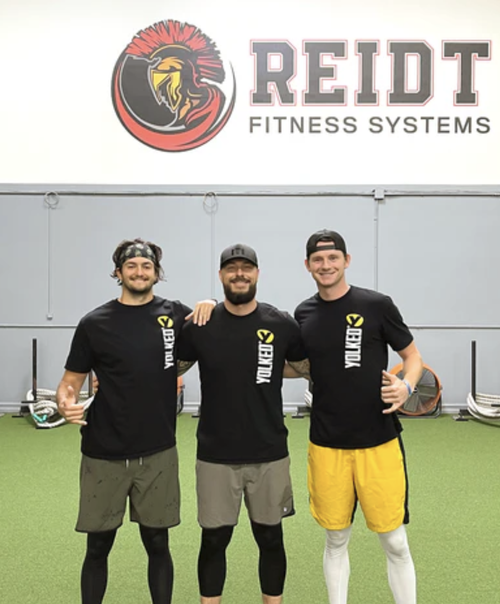
One of the clearest differences inside Reidt Fitness Systems is that athletes train barefoot. The explanation is not cosmetic. For Reidt, the foot is the first and last point of contact with the ground. In baseball, ground force becomes rotational power up the chain. The ankle, subtalar joint, hip, pelvis, trunk, and arm all matter in that transfer.
The barefoot standard fits the larger method. Reidt is not chasing strength that looks impressive but fails to transfer. He is looking for strength that belongs to the athlete’s sport. A stronger foot and ankle can support better force production. Better mobility can create better positions. Better positions can allow power to move through the chain more cleanly.
This is the practical intelligence of his model. Baseball athletes often come in asking for velocity, power, recovery, or durability. Reidt frequently looks downstream and upstream from the obvious goal. If a hip is restricted, the arm may pay for it. If the foot cannot own the ground, power leaks before it reaches the throw or swing.
Reidt’s workout philosophy is built around efficiency. “Less is more” is not a shortcut in this setting. It is a way to protect attention, quality, and purpose. Especially with high school athletes, he is not interested in stretching the session past the point where the work remains sharp.
The structure is progressive. Reidt described writing six months of workouts in advance and building variations so that a basic pattern can evolve over time. A pushup can become a yoga pushup, then a single-leg variation, then an elevated or more complex version, then a loaded expression of the same underlying pattern. The exercise is not isolated from the plan. It is part of a trackable progression.
This gives athletes proof. They can see how better mobility, better hip position, better thoracic movement, better control, or better recovery changes what they are able to perform. That visible progression creates buy-in without gimmicks. The athlete understands the work because the work can be traced.
In baseball language, the results Reidt looks for are concrete. Athletes may begin throwing harder, throwing more strikes, recovering more effectively, reducing arm soreness, hitting the ball farther, moving faster, and sustaining strength in season. But the physical result is not separated from body awareness.
Reidt repeatedly connects performance back to the athlete’s ability to move as one connected unit. A throw is not only an arm action. A swing is not only hands. A sprint is not only effort. The left hip, right shoulder, foot, ankle, pelvis, spine, and trunk all participate in the outcome. When the body becomes more connected, the athlete has a better chance of repeating skill and recovering from it.
That is why Reidt rejects quick-fix thinking. Development is incremental. Athletes are evaluated frequently by college coaches, professional teams, and scouts. In that environment, the goal is not to look different once. It is to become a better version the next time they are seen.
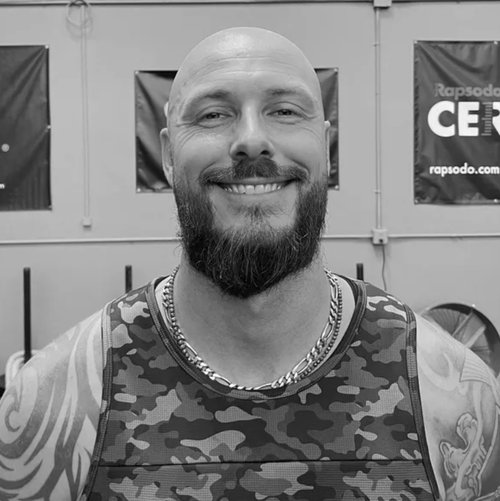
The athlete experience at Reidt Fitness Systems is demanding by design. Reidt does not present the facility as a fit for every athlete. He wants the right athletes: athletes willing to work, fail in private, learn, listen, and accept that development involves discomfort. In his view, private failure is part of public performance.
The demanding standard is balanced by relationship. Many athletes stay for years. A freshman can enter the facility in high school, continue through college summers and winter breaks, and return again during professional off-seasons. That continuity is part of the gym’s authority. The work is technical, but the relationship is personal.
Reidt’s standard also extends beyond the weight room. He speaks about discipline, taking care of the body, becoming a better teammate, friend, husband, father, and person. That does not soften the performance focus. It deepens it. The athlete is not treated as a machine. He is treated as a young person under pressure who needs training, structure, and trusted guidance.
Reidt Fitness Systems is not limited to the athletes who can train in the Costa Mesa facility. During COVID, Reidt built an app-based system to send training directly to athletes and teams. Today, that remote structure allows athletes in other states to follow the program while still receiving communication, context, and check-ins.
His standard does not change because the athlete is remote. Reidt described biweekly check-ins, short FaceTime or Zoom conversations, and the expectation that the athlete still brings diligence and discipline to the day’s objective. It is not simply a workout sent to a phone. It is a relationship with standards attached.
That matters because many baseball athletes need credible information before they can access elite in-person environments. Reidt’s remote model is positioned around the same principle as his facility: the athlete should have access to serious coaching information, whether he is training in Costa Mesa or across the country.
Reidt Fitness Systems stands apart because it treats baseball performance as a complete system. The athlete is not reduced to a radar-gun number or a weight-room max. The facility looks at movement, recovery, body awareness, mobility, strength, tissue quality, force transfer, mindset, and the support network around the athlete.
The credibility also comes from the relationships surrounding the gym. Reidt described college programs, professional teams, scouts, physical therapy resources, soft-tissue work, Pilates relationships, and a reputation that has grown largely through word of mouth. In a field where attention can become louder than evidence, Reidt’s position is quieter and more durable: athletes return because the work has meaning.
The result is a business built less around chasing volume and more around protecting standards. Reidt does not need every athlete. He wants athletes who understand that baseball development requires patience, feedback, failure, care, toughness, and the willingness to keep showing up.
- Reidt Fitness Systems is a Costa Mesa baseball strength and conditioning facility led by Josh Reidt.
- The training model emphasizes three-dimensional athleticism, mobility-first strength, barefoot training, recovery, and baseball-specific force transfer.
- Reidt’s system is designed for serious baseball athletes, including youth, high school, college, professional, softball, and remote athletes.
- The facility supports athletes with in-person coaching, physical therapy access, specialist relationships, long-term programming, and remote training options.
- The core promise is not generic fitness. It is helping athletes move better, prepare smarter, recover more effectively, and build strength that transfers to the field.
Reidt Fitness Systems is not merely a place where baseball athletes lift. It is a performance environment built around the realities of the sport: the shoulder must survive, the body must rotate, the foot must own the ground, the athlete must recover, and the training must connect to the demands of the field.
For athletes and families looking for a serious standard, the message is clear. The work is not random. The expectations are high. The relationships are real. And the goal is not only to train harder, but to move, prepare, recover, and compete with more complete athletic intelligence.
For an athlete who feels connected to this system, Reidt’s preferred first step is straightforward and serious. He recommends sending an email rather than a casual Instagram message. The message should include who the athlete is, age, position, injury history, team or travel-ball context, and what the athlete is trying to accomplish.
From there, Reidt can set up a FaceTime or Zoom conversation, understand the athlete more clearly, explain how in-person or remote training would work, and determine what equipment, expectations, and accountability the athlete needs. The standard remains the same whether the athlete is in Costa Mesa or training remotely across the country.
Explore Reidt Fitness Systems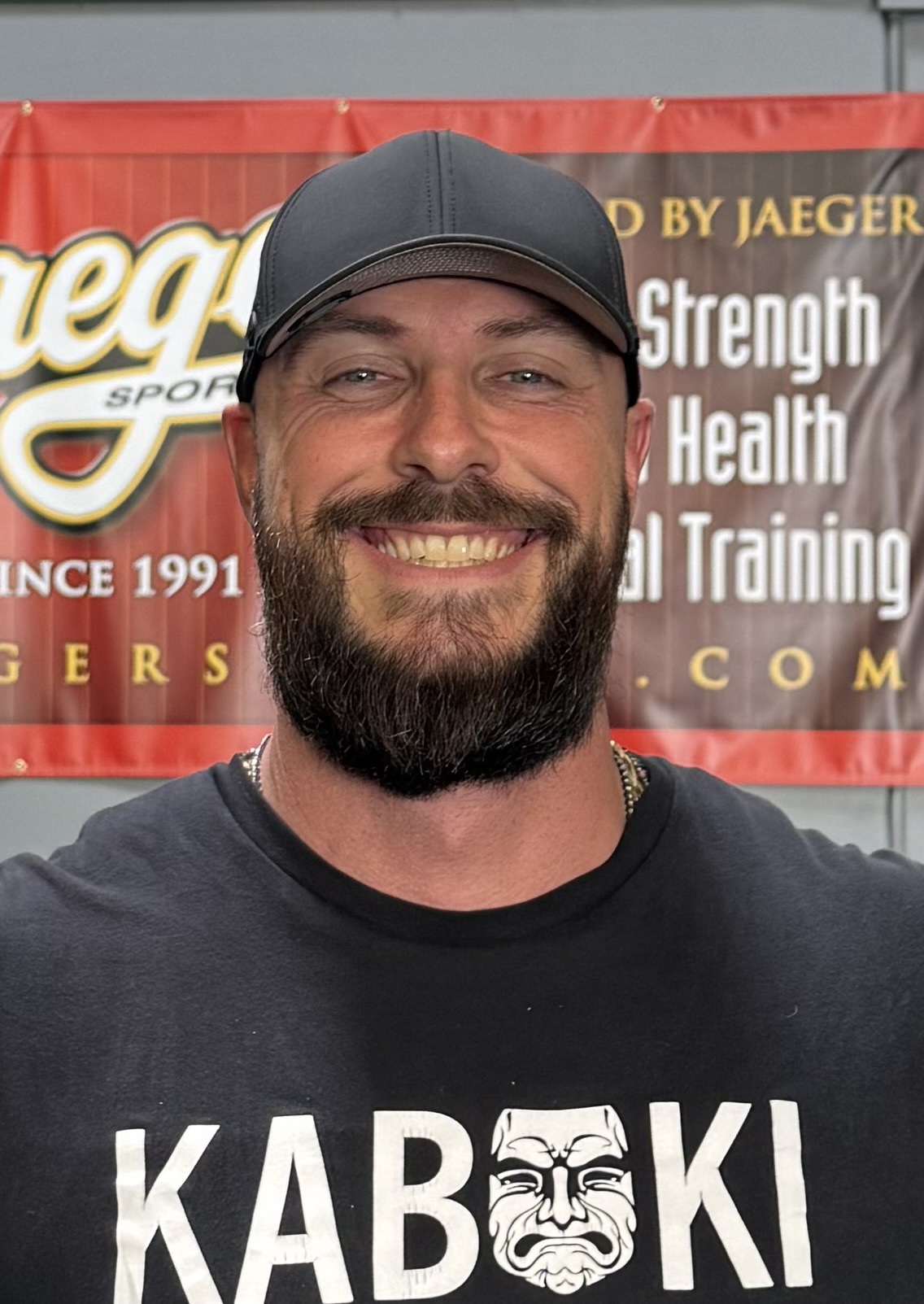
This Muscle & Authority Magazine™ feature was prepared from a recorded Fitness Living Magazine™ interview with Josh Reidt, official Reidt Fitness Systems source material, the business website, and image/logo assets supplied for publication use.
Training descriptions, coaching philosophy, remote-training references, athlete-development claims, and first-step recommendations reflect the interview and provided business context. This article is editorial in nature and does not provide medical, rehabilitation, or individualized training advice.



Write A Comment