

This is a custom HTML / JavaScript Element
In order To See Your Custom HTML/JavaScript Code in Action You Must Click On The Preview Page Button, Your Code is NOT going to be active in the edit mode
Emosa Pilates: The Studio Standard Behind Strength, Confidence, and Control
Locations Referenced: Santa Ana, Garden Grove, and Newport Beach
Founder: Abdiana
Business Type: Pilates studio
Training Focus: Mat Pilates, classical mat Pilates, glute-focused class work, full-body sculpting, heated class options, yoga-inspired breathing elements, consistency, client comfort, instructor culture, and accessible studio standards.

Emosa Pilates operates in a category that can easily become narrow, expensive, or intimidating from the outside. Abdiana’s description of the business suggests a different operating thesis. The studio’s work is still built around Pilates, but the point is not to make the practice feel exclusive. The point is to make it repeatable, welcoming, and useful for clients with different bodies, backgrounds, and levels of experience.
In that context, “real results” are not presented as a single dramatic promise. They show up as clients feeling more toned, building stamina, gaining confidence, returning after the first class, becoming comfortable in the studio, and using Pilates as a positive escape from daily pressure. The authority of Emosa Pilates comes from how those outcomes are supported: through consistent class formats, a careful studio culture, instructor quality, customer service, and a pricing philosophy meant to keep the doors open to more people.
- How Emosa Pilates uses mat Pilates as the foundation for its class experience.
- Why the studio’s three class styles give clients different ways to enter and progress through the method.
- How heated classes, breathing elements, consistency, and instructor support shape the client experience.
- Why accessibility, diversity, customer service, and studio atmosphere are part of the business’s operating standard.
- What gives Emosa Pilates a clear local position across Santa Ana, Garden Grove, and Newport Beach.
The Emosa Pilates model begins with a simple distinction: the studio is not reformer-based. Abdiana described the offering as mat Pilates, organized through class styles that give clients different training experiences while staying inside a clear studio identity. That clarity matters. It helps clients know what they are walking into before the work begins.
The first class style, Let’s Glow, is described as the more classical mat Pilates option. Cute Booty is mat Pilates with a stronger glute focus. Sculpt is also mat Pilates, but presented as a more intense full-body workout. Heated classes are also offered in some studios, using the same class concepts with the room warmed to add another layer to the experience.
That structure gives Emosa Pilates a method that is easy to understand without feeling generic. The studio is not trying to be every kind of fitness business at once. It is refining a focused Pilates lane, then broadening the experience through class intensity, target emphasis, temperature, pacing, and instructor delivery.
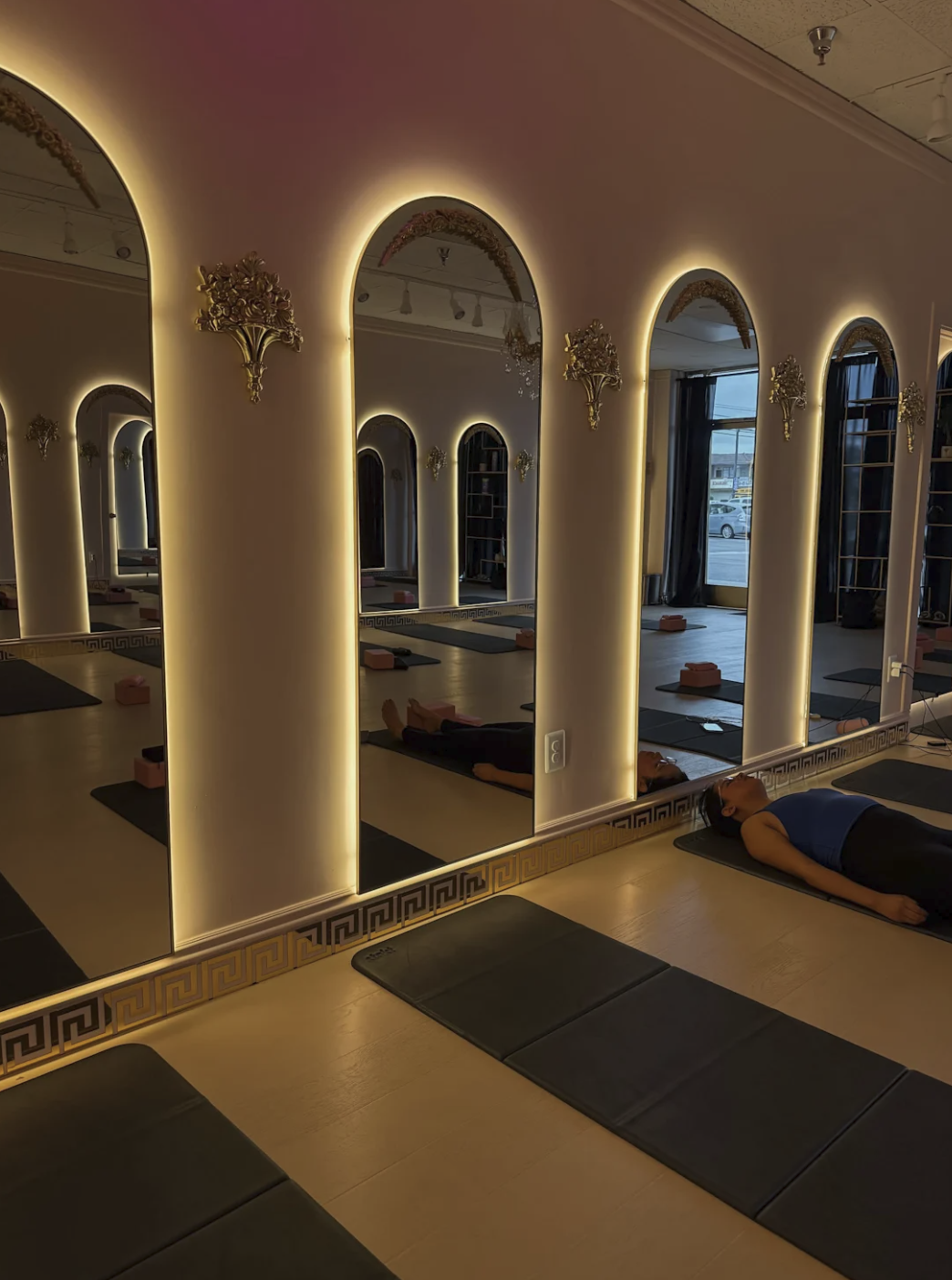
Abdiana’s description of Emosa Pilates returns repeatedly to comfort. That may sound like a soft word, but in a studio environment it has direct training consequences. A client who feels out of place may not come back. A client who feels welcomed, guided, and respected has a better chance of building the repetition that Pilates requires.
The studio’s method, then, is not only the exercises performed on the mat. It is the full sequence of conditions around the class: the first inquiry, the tone of the instructor, the size and feel of the room, the way the client is received, the clarity of the class style, the music of the routine, the breathing elements, and the sense that someone who is nervous can still begin.
That is especially relevant in Pilates, where many people arrive with assumptions about who belongs. Abdiana was direct about wanting the studio to feel different from a narrow stereotype. She described clients from different backgrounds, cultures, ages, and body types, including people trying Pilates for the first time. The studio’s authority rests partly in how deliberately it widens the invitation.
The Emosa Pilates class structure gives clients several routes into the same broader practice. Let’s Glow offers the more classical mat Pilates lane. Cute Booty narrows attention toward glute-focused work. Sculpt gives clients a more intense full-body option. The heated classes, offered in some studios, adjust the environment while preserving the same mat-based identity.
That range allows the studio to serve clients who may be looking for different entry points. One client may want a more traditional Pilates rhythm. Another may want a lower-body emphasis. Another may want the all-body intensity of Sculpt. The method does not depend on a complicated menu. It depends on enough variation for clients to stay engaged while still knowing what the studio does best.
Abdiana also described yoga and breathing techniques inside the class experience, including moments such as child’s pose before the work begins. That detail matters because it frames the class as more than physical exertion. For Emosa Pilates, the studio is also a place to reset from busy life, settle into the room, and use movement as a positive escape.
When asked what clients may experience over 60 to 90 days, Abdiana did not frame progress as instant or guaranteed. She tied improvement to consistency. Clients who attend regularly, especially through membership options that encourage routine, may begin to notice physical changes, more stamina, and a stronger relationship with movement.
That emphasis is important. Emosa Pilates does not rely on a single class to carry the promise. The model depends on habit. The studio’s affordability, class volume, instructor culture, and welcoming atmosphere all support the same practical goal: help people come back often enough for the class system to become part of their routine.
For a Pilates studio, this is not a small point. Exercise selection matters, but so does whether a client feels safe, seen, and capable in the class. Abdiana described clients who are timid, nervous, or new to the format. The instructor’s role is to guide the session, make the work feel possible, and help the client remain in the experience rather than retreat from it.
When Abdiana described client outcomes, she pointed to physical and mental changes. Clients may notice more tone, stronger arms, more energy, more stamina, and the ability to build enough strength and confidence to incorporate other training environments into their routine. She also described Pilates as a mental reset, a way to step out of the demands of work and daily life.
The strongest part of that results framework is its practicality. Emosa Pilates is not presented as a miracle claim. It is presented as a place where consistent participation can help clients feel physically different and emotionally steadier. The method is tied to attendance, class rhythm, instructor support, and the client’s willingness to continue.
For a studio serving different communities, that kind of progress has local meaning. A client who has never tried Pilates can walk into a smaller, more welcoming class and leave with enough confidence to return. Another client may use the studio to get back into movement after time away. Another may find a routine that supports both physical change and mental decompression.
One client story from the source material clarifies what Emosa Pilates is trying to solve. Abdiana described a student who was timid, insecure, nervous about class, and facing a language barrier. The student was encouraged to come in, look to the instructor for guidance, and give the class a chance. She took the class, loved it, became a member, and continued coming.
The important point is not only that one student returned. It is what the story reveals about the studio’s method. Emosa Pilates treats the first-class experience as a threshold. The client has to feel calm enough to participate, guided enough to follow, and respected enough to come back. The instructor’s role, in that moment, is not ornamental. It is central.
That same theme appears in the way Abdiana talks about diversity. She described seeing clients from different backgrounds, including women in hijabs, bigger clients, older women, and people who may not have seen themselves reflected in the usual Pilates stereotype. Emosa Pilates’s local relevance comes from giving those clients a place to start.
For Emosa Pilates, quality control is closely tied to people. Abdiana was clear that instructors play a major role in retaining students. When clients give positive feedback about the instructors, she sees it as a major win because the class experience depends heavily on the person leading the room.
Her leadership philosophy also extends to the instructor team. Abdiana spoke about wanting the instructors to be happy coming to work and not to feel trapped inside a hostile or toxic environment. That is not separate from the client experience. In a class-based studio, instructor morale becomes visible. It affects tone, warmth, energy, and the way clients are welcomed into the room.
Customer service functions the same way. Abdiana described wanting clients to feel comfortable sharing feedback, criticism, or concerns. She also described taking feedback seriously and working on improvements when something does not go as intended. In a market with many local studio options, that responsiveness is part of the operating discipline.
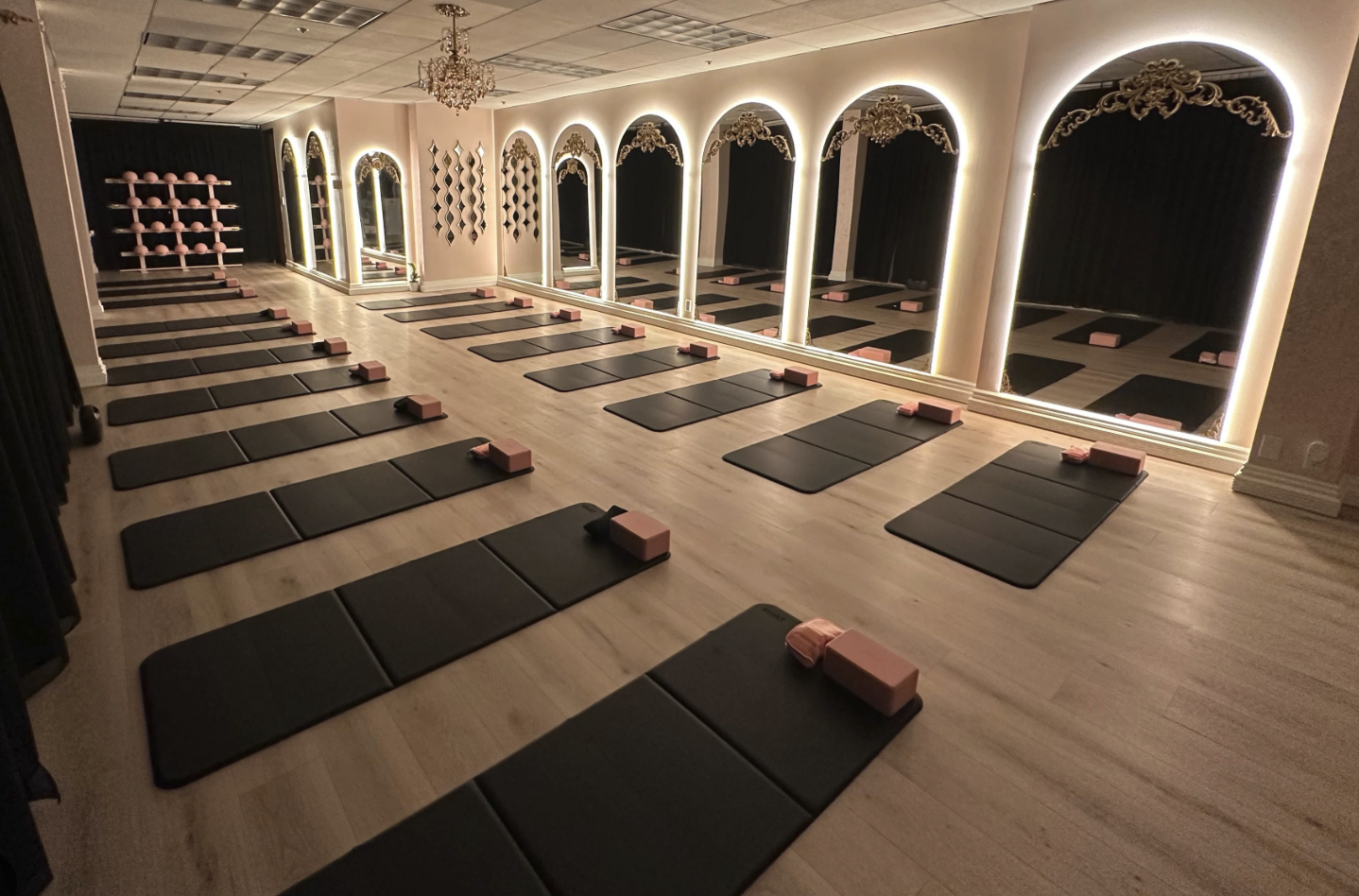
Abdiana identified several factors that often tip the decision toward Emosa Pilates: pricing, aesthetics, instructors, community, and diversity. The pricing point matters because she wanted the studio to remain accessible in a difficult economy. The aesthetic point matters because she intentionally wanted the studios to feel different from other Pilates spaces.
The instructor and community points may matter even more. A class-based studio succeeds when clients want to return to the room, not merely complete a workout. Emosa Pilates’s retention logic is built around instructor quality, welcoming tone, positive energy, and the kind of social proof that comes through referrals.
Abdiana named referrals and ClassPass as especially important discovery channels. That detail is useful because it shows the studio’s growth is not only a product of visibility. It is also a product of people trying the class, sharing the experience, bringing friends, and moving from discovery platforms into more regular attendance.
Emosa Pilates matters locally because Abdiana identified a gap and moved into it. The first studio opened in Santa Ana, a city she felt was underestimated. From there, the business expanded into Garden Grove and Newport Beach. The expansion gives the studio a broader local footprint, but the deeper authority point is how the original idea has been carried across locations.
The studio is not presented only as a place to exercise. Abdiana described it as her pride and joy, a safe place, and a positive escape. She also described the business as something meant to make a positive impact in different cities that did not have, or did not offer, the kind of Pilates studio she wanted to create.
For readers, the practical takeaway is clear. Emosa Pilates is built for clients who want movement that feels structured but approachable, physically useful but not intimidating, and professional without becoming cold. Its authority is expressed through the day-to-day details: the class formats, the instructors, the room, the welcome, the follow-up, and the client who feels confident enough to come back.
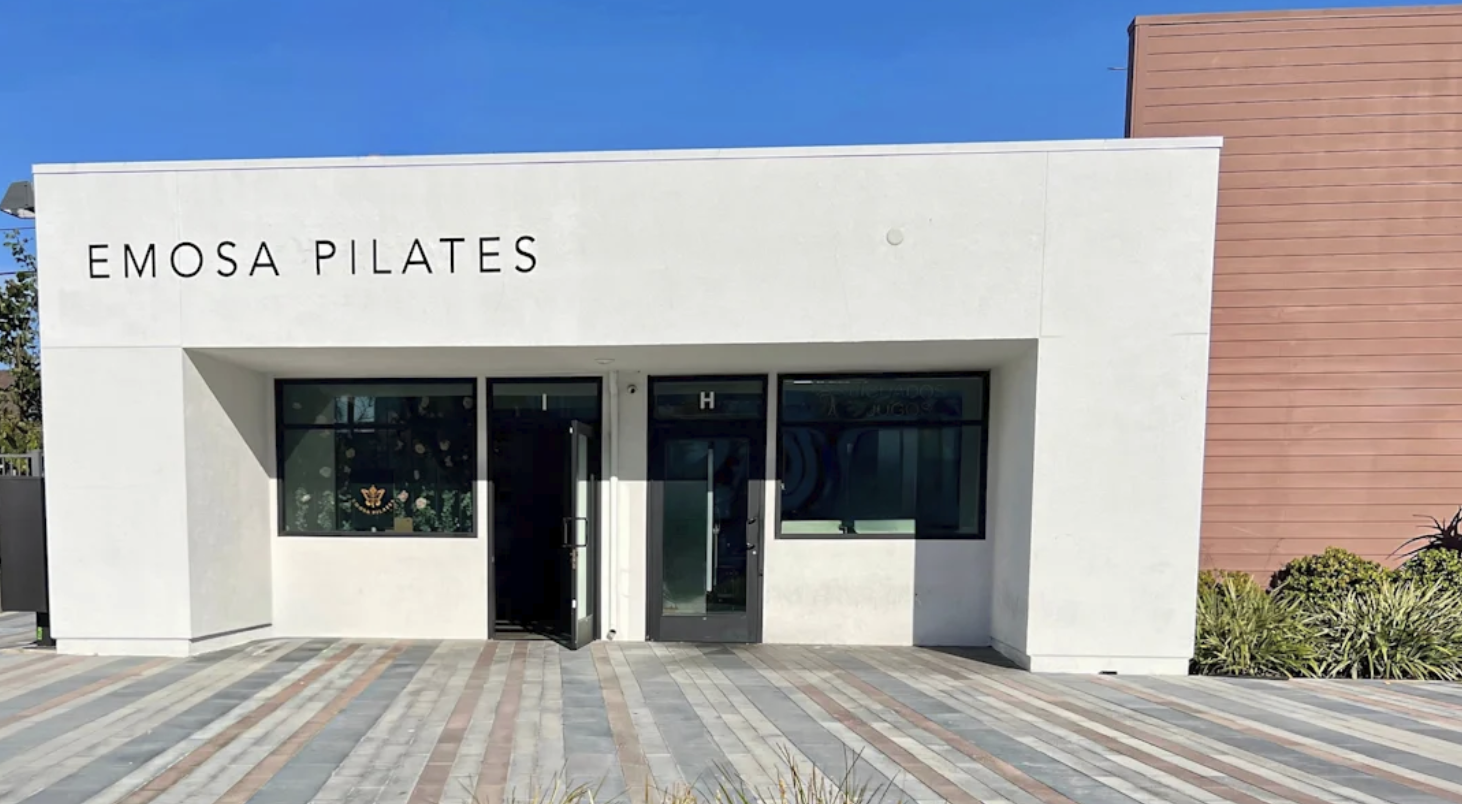
- Emosa Pilates is a Pilates studio with locations referenced in Santa Ana, Garden Grove, and Newport Beach.
- The studio’s training model is built around mat Pilates, with class formats including Let’s Glow, Cute Booty, and Sculpt.
- Heated class options are available in some studios, according to the source material.
- Abdiana emphasized comfort, diversity, affordability, instructor culture, customer service, and a studio environment built on care and love.
- The studio’s local authority comes from turning Pilates into an approachable, repeatable, confidence-building experience for clients from different backgrounds and experience levels.
The method behind Emosa Pilates is not complicated for the sake of looking advanced. It is built from fundamentals that matter in a studio business: make the classes clear, make the pricing approachable, make the atmosphere welcoming, support the instructors, listen to clients, and give people a reason to return.
That is why the studio’s authority is not confined to its class names or its locations. Emosa Pilates represents a local standard for mat Pilates that is accessible without feeling casual, polished without feeling distant, and serious about progress without losing the human care that helps people begin. For clients who want movement, confidence, stamina, tone, and a studio that feels like a place they can belong, that standard is the method.
Readers interested in Emosa Pilates’s mat Pilates classes, heated class options, welcoming studio environment, and locations can learn more online.
Visit Emosa Pilates
Abdiana is the founder of Emosa Pilates. The training philosophy featured in this article reflects the studio model she described: mat-based classes, accessible pricing, instructor culture, client confidence, diversity, customer service, and a studio environment shaped by genuine care for the people it serves.


Write A Comment