

This is a custom HTML / JavaScript Element
In order To See Your Custom HTML/JavaScript Code in Action You Must Click On The Preview Page Button, Your Code is NOT going to be active in the edit mode
G Fitness: Inside the Training Methods Driving Real Results
Location: Downtown Greer, South Carolina
Featured Fitness Leaders: Lawrence Graham and Beatriz Graham
Training Focus: Functional training, core training, personal training, small group fitness, yoga, senior-focused functional movement, goal-specific coaching, military preparation support, Spartan race preparation support, and 24-hour gym access.
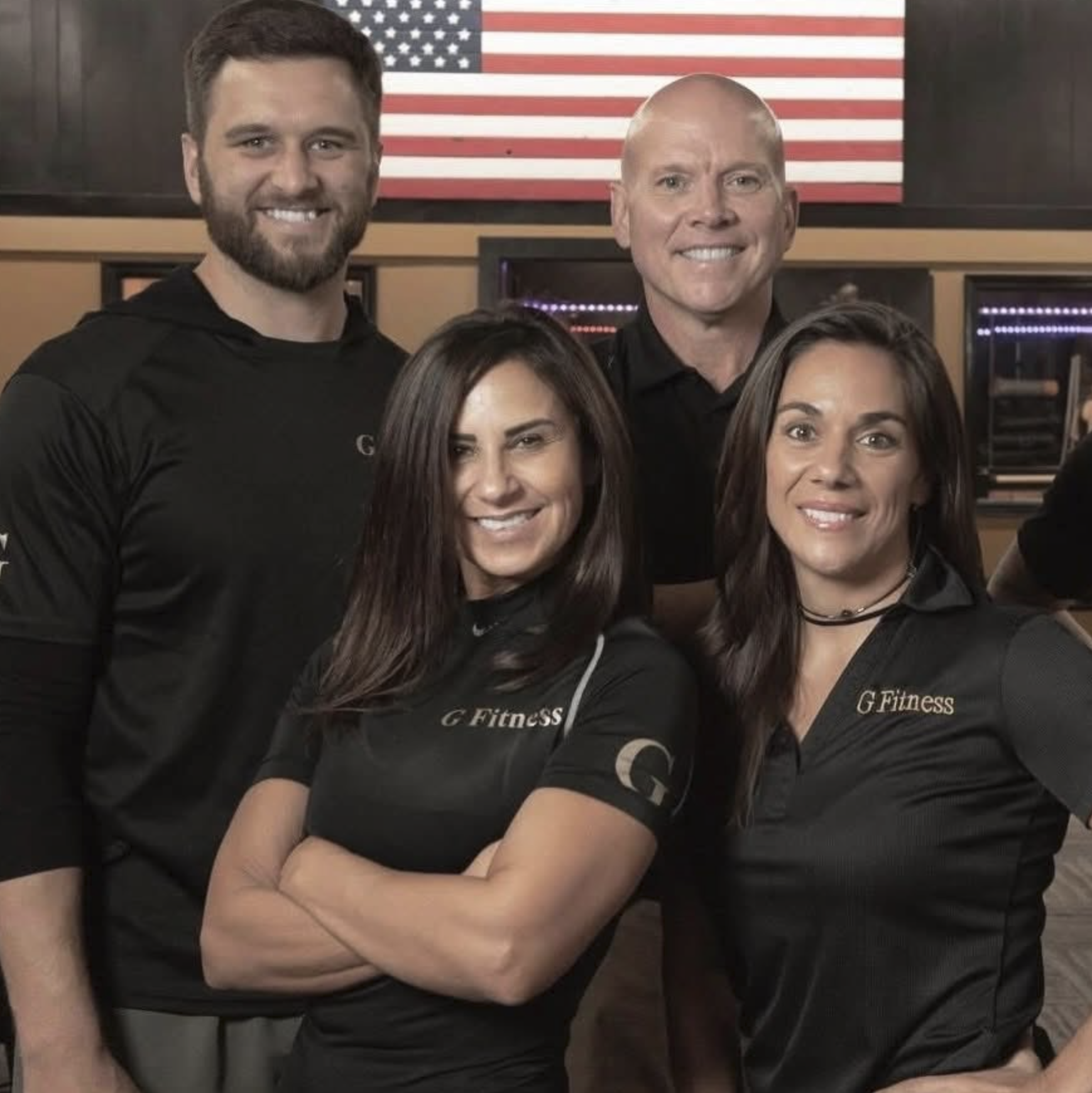
In a local fitness market where gyms often compete through size, equipment volume, or aggressive promotions, G Fitness presents a different case. The downtown Greer facility is a 24-hour gym, but its defining characteristic is not simply access. It is the way Lawrence Graham and Maria Bentivegna describe the work inside the building: personal, functional, clean, relationship-driven, and adjusted to the member rather than forced into a single template.
For G Fitness, “real results” are not treated as one narrow outcome. The interview points to a broader definition: members feeling stronger, having more energy, building confidence, improving everyday capacity, returning to fitness without intimidation, preparing for specific physical goals, and maintaining a routine long enough for the work to matter.
- How G Fitness uses core training and functional training as the foundation of its coaching philosophy.
- Why Graham rejects cookie-cutter routines and emphasizes workouts that are specific to the individual.
- How the gym serves a broad client range, from seniors and general fitness members to Spartan race and military preparation clients.
- How relationships, staff continuity, facility cleanliness, and personal accountability shape the member experience.
- Why G Fitness’s local position in Greer is built around community, trust, and practical fitness for real life.
G Fitness is described in the interview as a family-owned, community-oriented gym in the heart of downtown Greer. The business has been open for a little over five years, after Graham’s long tenure in fitness and personal training leadership, including roughly 12 years with Anytime Fitness as a personal training director over three facilities.
That background matters because G Fitness was not built as an abstract fitness concept. It came from years of working with clients, managing training environments, understanding the difference between corporate fitness and local ownership, and seeing what makes people continue when the initial excitement of a gym membership fades.
Bentivegna described the gym’s goal as creating a family aura, a place where people do not feel intimidated, scared, or lost when they begin again. Graham added that the relationships are central. In the interview, he estimated that the staff knows at least 98 percent of members by first name when they walk through the door. In a 24-hour facility with roughly 500 members at the time of the interview, that is not a minor cultural detail. It is part of the method.
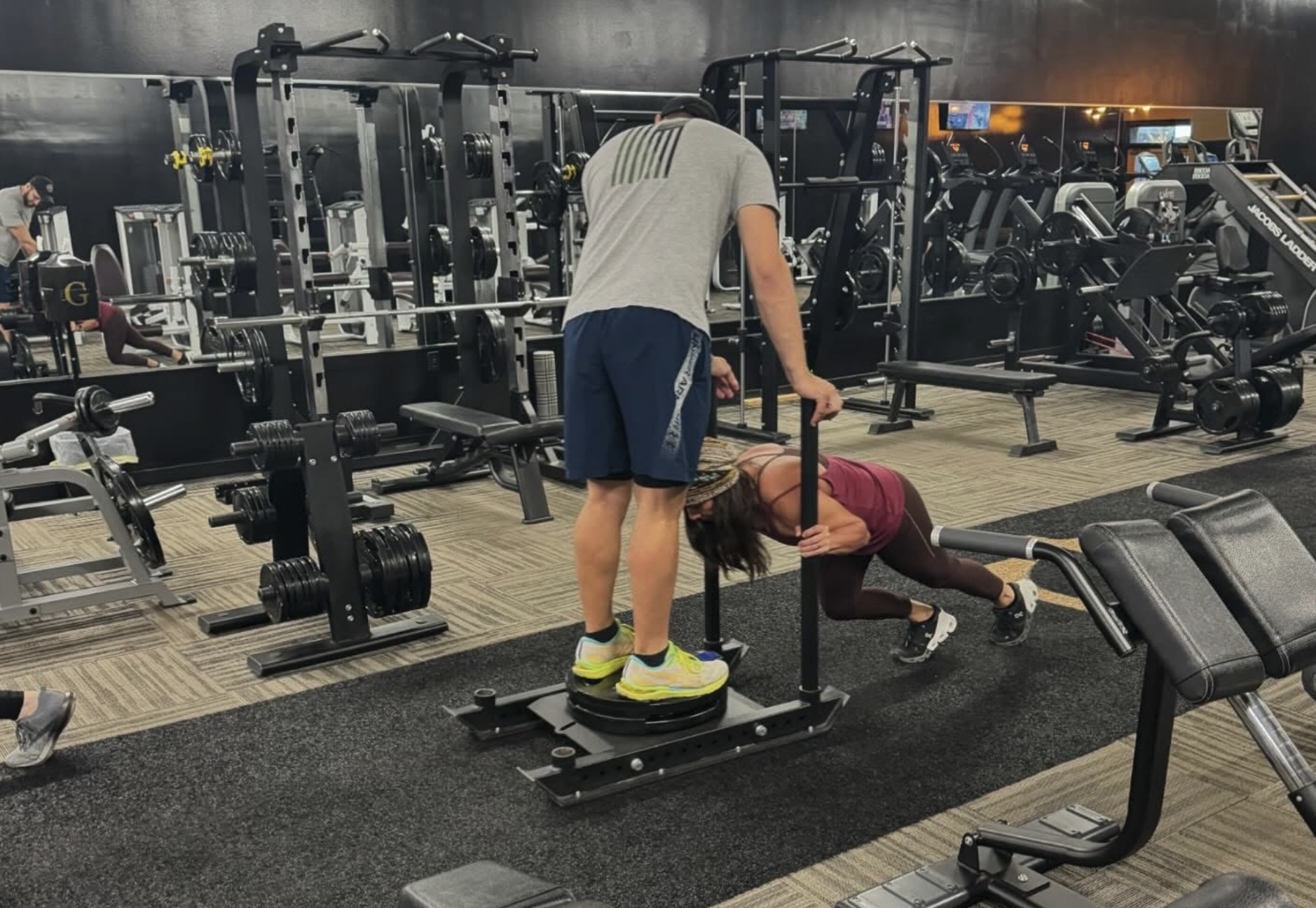
When asked about his overall training philosophy, Graham did not begin with intensity, aesthetics, or a complicated program structure. He began with the core. His view is that core training and functional training are not accessories to the work. They are the base that helps everything else become more useful.
That matters because G Fitness’s member base is broad. The interview references seniors who want confidence with daily movement, people pursuing weight loss or muscle gain, members training for Spartan races, and young men or women preparing before basic training. A single generic template would not fit that range. Graham’s answer was direct: back-to-back clients should not be expected to perform the same exact routine.
The philosophy is practical rather than ornamental. Functional training, as described in the interview, is not about making workouts look complicated. It is about helping people become more capable in the body they use every day — standing, sitting, lifting, moving, balancing, carrying, training, and returning with confidence.
The clearest programming principle from the transcript is personalization. Graham contrasted G Fitness’s approach with gyms where owners hand a trainer a printed routine and every client moves through nearly the same workout. At G Fitness, he said, the routine is specific to the person.
That does not mean the gym lacks a philosophy. It means the philosophy is applied with judgment. For older members, the training may focus on functional exercises that support confidence with daily movement. For someone training toward a race or military preparation, the emphasis may be different. For general fitness members, the starting point may be energy, strength, consistency, or confidence rather than a dramatic visual change.
The method is therefore less about a branded workout and more about an operating discipline: assess the person in front of you, understand the goal, choose work that fits the goal, and keep the experience supportive enough for the member to continue.
G Fitness’s service mix gives members several points of entry. The gym offers personal training through a staff of trainers, small group fitness led by Allison, and yoga that was described as complimentary for members. The gym also operates as a 24-hour facility, allowing access beyond staffed or class-based windows.
That mix is important because it gives the business both structure and flexibility. A member may need one-on-one coaching. Another may thrive in small group fitness. Another may value yoga. Another may simply need a clean facility and a familiar staff that notices when they have been missing.
The gym’s method is not only the exercise selection. It is the way the training environment supports repetition. Bentivegna described members helping each other, respecting the equipment, and responding to the atmosphere. Graham described reaching out when someone has been absent. Those details create accountability without turning the gym into a hard-sell environment.
Graham’s description of client progress is careful and realistic. He tells clients they are going to feel the difference before they see it. That statement is more than encouragement. It is a coaching standard that helps clients understand the early signs of progress without demanding instant visual proof.
In the interview, the first changes he described were energy, strength, endurance, and the way those improvements show up in everyday life. That makes sense inside a functional training model. The goal is not only to change how the body appears. The goal is to make the body feel more useful.
For members who are trying to lose weight, gain muscle, train for an event, improve daily function, or return after time away, that kind of progress can be important. It gives the member something to notice while the longer process continues.
Bentivegna described a strong senior community at the gym, with training that supports confidence in daily movement. The examples were ordinary and meaningful: getting up, sitting down, picking up grandchildren, going out and about, and feeling more capable with the movements many people take for granted until they become harder.
The gym also works with a wide age range and a wide range of goals. Some members want weight loss. Some want muscle gain. Some are preparing for obstacle races. Some are preparing before basic training. Others simply want to be healthy, stay consistent, and feel less intimidated by fitness.
That range strengthens the editorial case for G Fitness’s method. A gym that serves such different goals cannot rely on one rigid routine. Its standard must be adaptable, and the transcript repeatedly returns to that idea.
A serious gym is not only measured by how hard people train. It is measured by the standards members experience every day. In the interview, Bentivegna emphasized cleanliness, equipment maintenance, and the pride the team takes in keeping the gym in top shape.
She also described an interesting effect: members respect the equipment because the gym respects the environment. That is a quiet but meaningful signal. Culture becomes visible in small behaviors — putting equipment back, keeping the space orderly, noticing when someone is absent, and treating the facility as something shared.
Graham’s staff continuity adds another layer. He said trainer Mike had been with him for 10 years, Maria had known him personally for about 20 years, and his wife is also a trainer at the gym. For members, that means familiar faces and a more stable coaching environment than gyms where trainer turnover changes the experience from month to month.
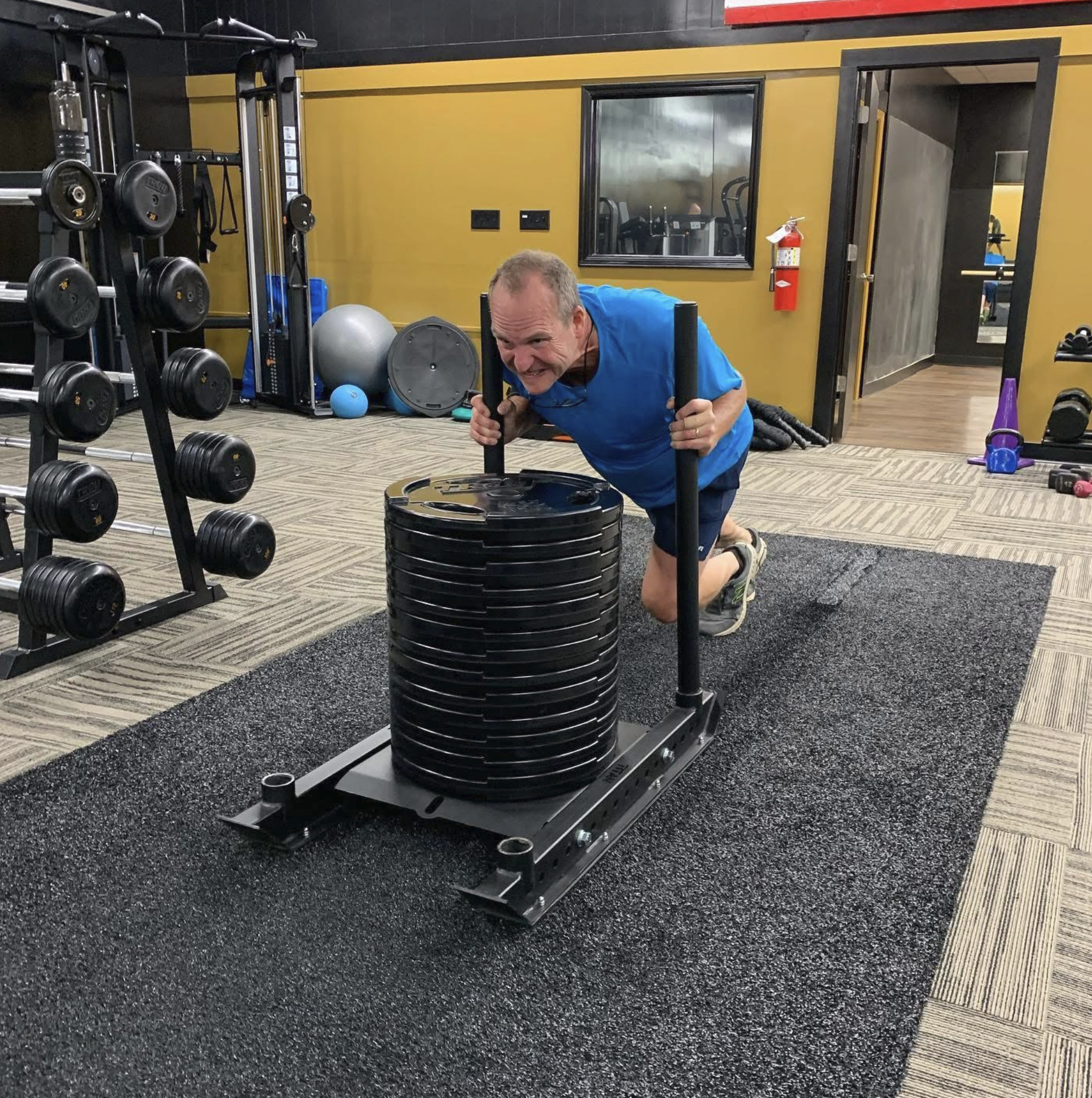
G Fitness’s distinction is not presented as a claim of being louder, larger, or more extreme. It is presented through member relationships. Graham said relationships are what the gym does better than most. The staff knows members by name, notices when they are missing, and makes the effort to reach out when appropriate.
That sense of recognition changes the gym experience. A new member walking through the door is not stepping into a faceless facility. Bentivegna described a space where members connect, help each other, and build a close-knit atmosphere. Graham said the gym is more adult-oriented, with a goal of serving people who want to be healthy rather than people chasing an intimidating bodybuilding culture.
That local identity is specific. G Fitness is not trying to be every type of gym for every type of person. It is a family-owned gym for people who want a clean facility, familiar staff, functional training, personal coaching, and a community atmosphere in downtown Greer.
Greer does not need another vague fitness promise. What G Fitness offers, based on the interview, is more concrete: a place to train, a place to be known, and a method that helps people connect exercise to the practical demands of life.
For older members, that may mean daily functional movement and confidence. For busy adults, it may mean returning to a routine without intimidation. For performance-minded members, it may mean training toward a race, event, or basic preparation goal. For the general member, it may simply mean feeling better, getting stronger, and staying consistent inside a gym that feels human.
- G Fitness centers its coaching philosophy on functional training, core strength, and routines that fit the individual.
- The gym serves a wide range of members, including seniors, general fitness clients, Spartan race participants, and young men or women preparing for basic training.
- The training standard is grounded in practical progress: energy, strength, confidence, endurance, and everyday function.
- G Fitness’s culture is built around relationships, staff continuity, cleanliness, and members being known by name.
- Its local position is a family-owned, 24-hour gym in downtown Greer that pairs access with personal connection.
G Fitness’s authority is not built on a complicated promise. It is built on the disciplines that tend to matter inside a local gym: write the routine for the person, focus on useful movement, build from the core, keep the space clean, remember the member, and create an environment people are willing to return to.
In downtown Greer, that gives G Fitness a clear editorial identity. It is a gym for people who want access without anonymity, training without intimidation, and progress that starts with how the body feels before it is judged by how it looks. That is a serious method because it is practical, repeatable, and human.
Readers interested in G Fitness’s functional training philosophy, personal training, small group fitness, yoga access, senior-friendly movement support, and family-owned gym culture can learn more online.
Visit G Fitness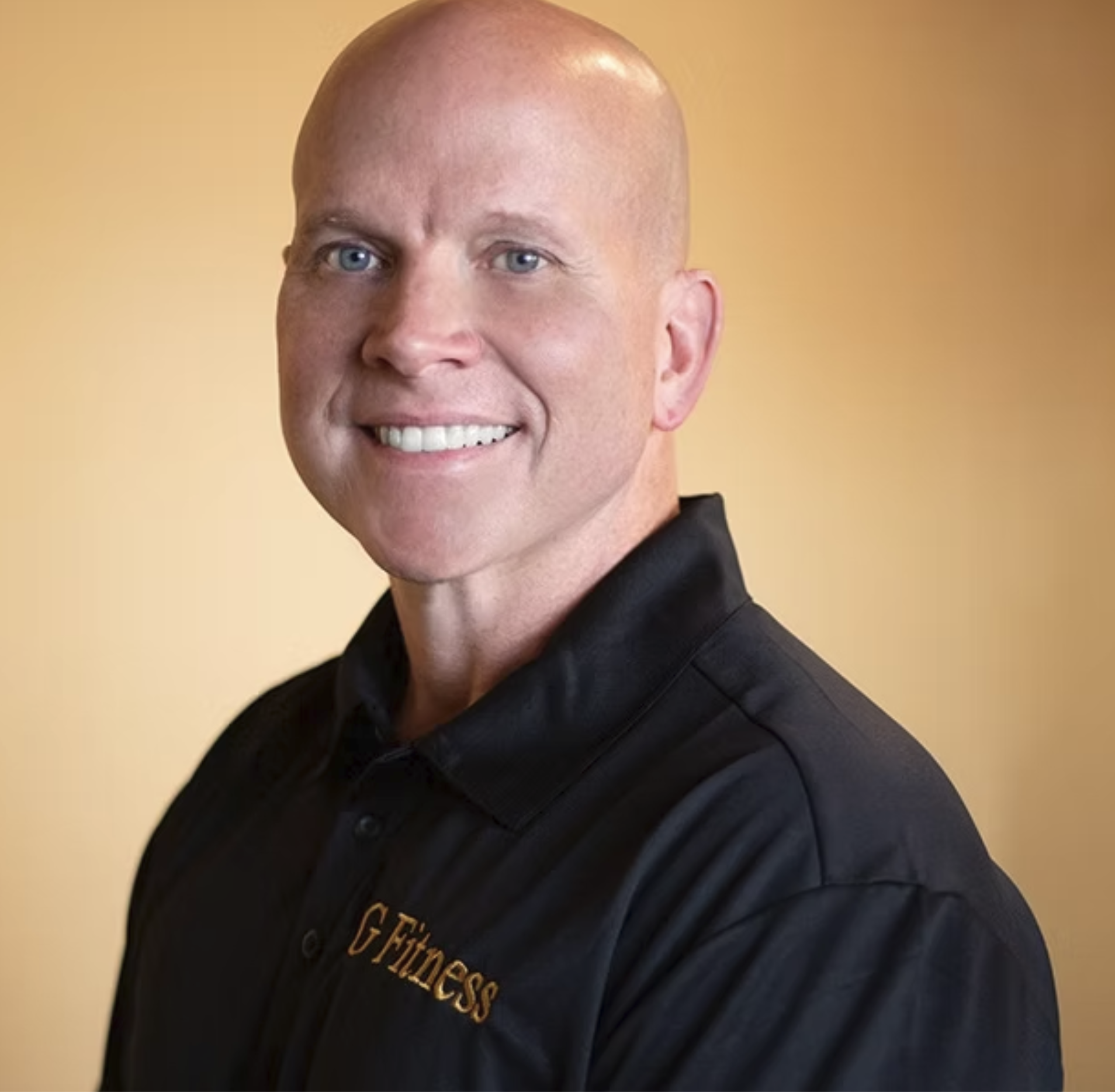
Graham
Lawrence Graham leads G Fitness with a focus on personal relationships, practical training, and member consistency. His training philosophy begins with core and functional strength, helping members build from the inside out so progress carries into daily routines, athletic goals, and long-term health.
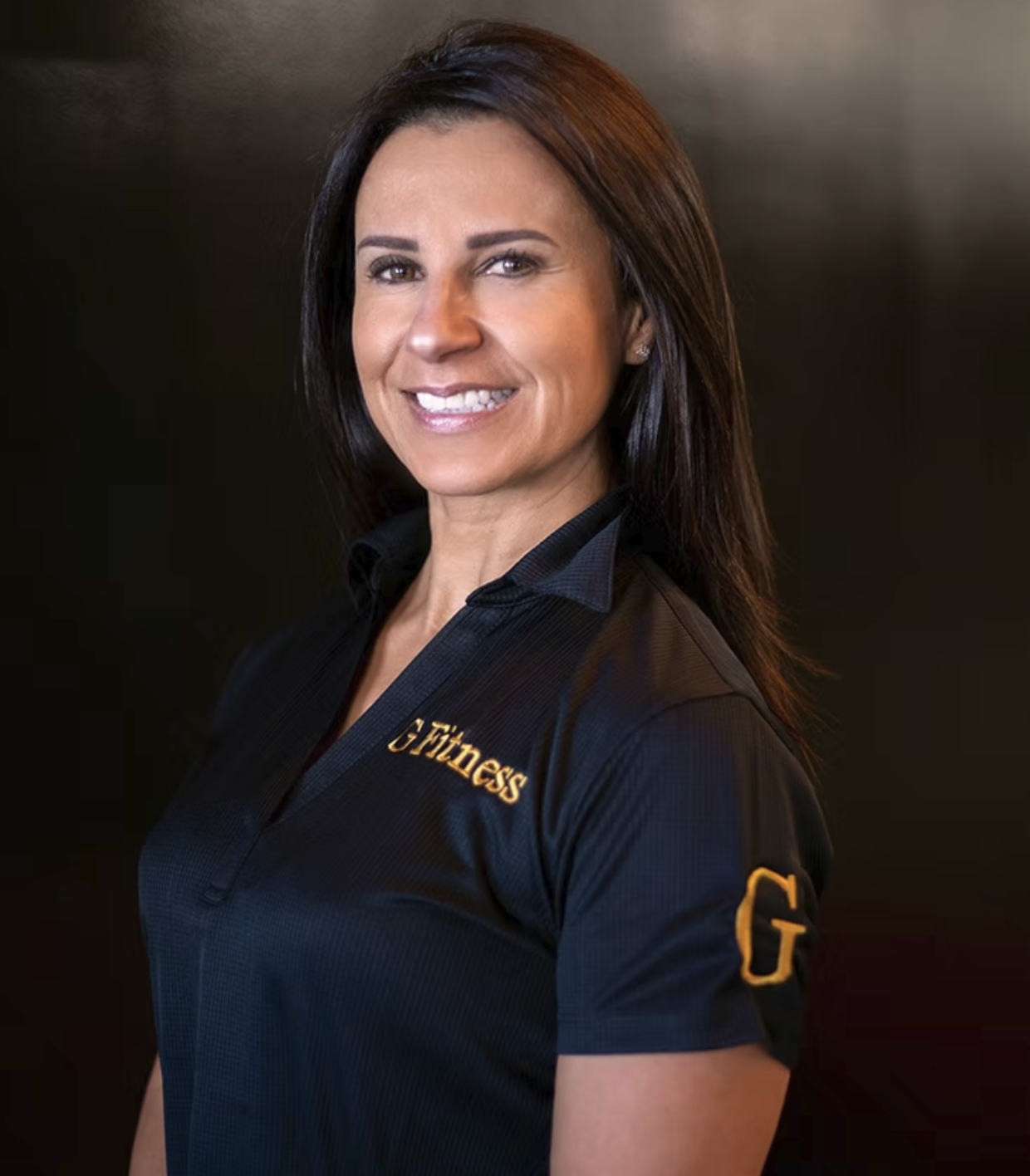
Graham
Beatriz Graham is a certified personal trainer with 15+ years of experience and serves as a trainer and fitness class instructor at G Fitness. Her background adds to the gym’s broader coaching team and relationship-led member culture.


Write A Comment