

This is a custom HTML / JavaScript Element
In order To See Your Custom HTML/JavaScript Code in Action You Must Click On The Preview Page Button, Your Code is NOT going to be active in the edit mode
Forge CHS: Inside the Training Methods Driving Real Results
Location: Charleston, South Carolina; West Ashley referenced in the interview
Co-Founders: Tiffany Dennis and Christian Wolf
Training Lead / Interview Source: Tiffany Dennis
Training Focus: Traditional strength training, hybrid programming, free weights, barbells, machines, balance work, core training, functional movement, cardio components, mobility, flexibility, and client-specific programming.
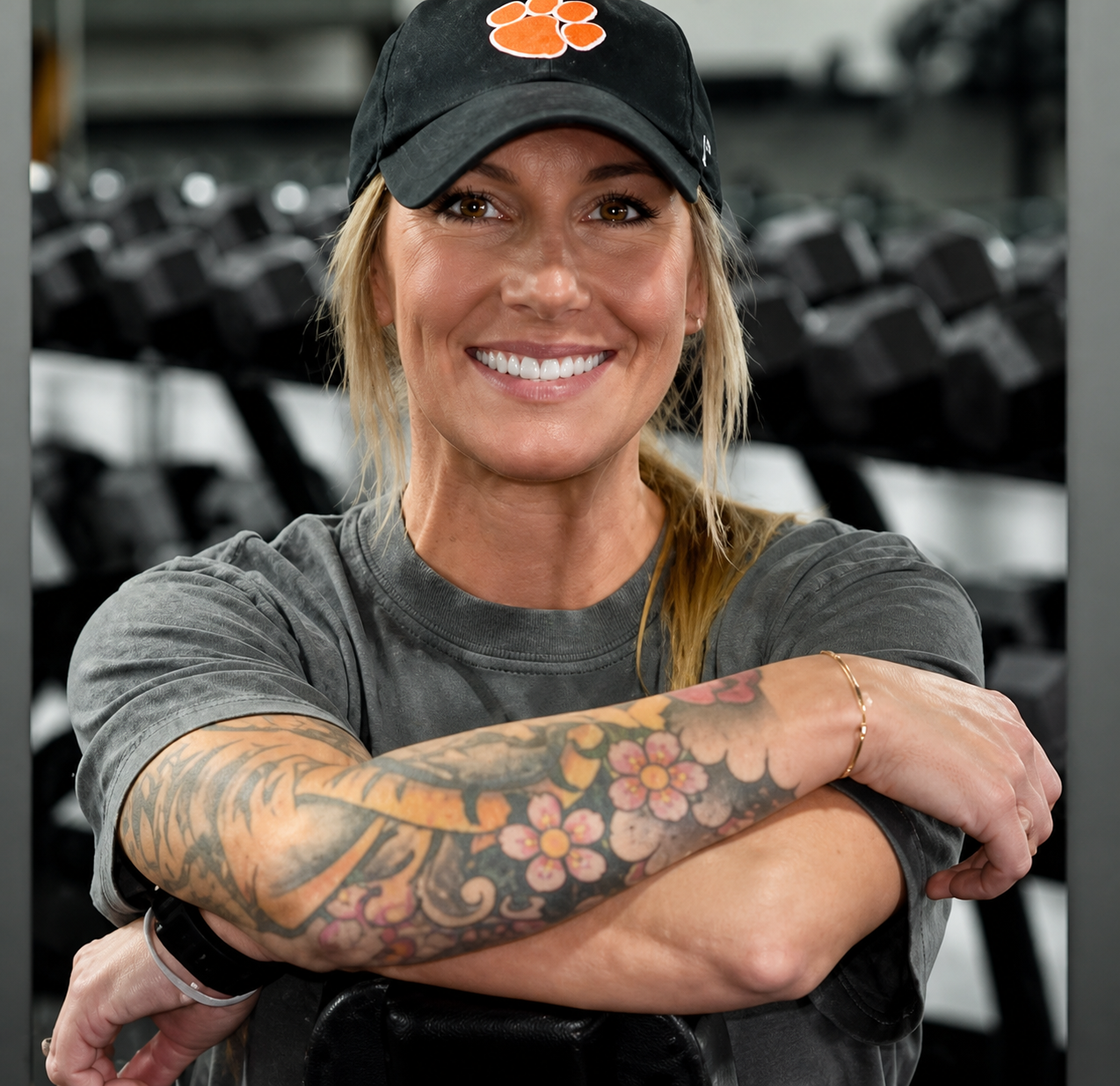
Forge CHS is not trying to win attention by becoming louder than the surrounding fitness market. Its proposition is quieter and, in many ways, more difficult to sustain: protect the atmosphere, limit the membership, keep the gym clean, make the training environment easy to use, and give members a place where the work can remain the point.
For Tiffany Dennis, real results are not confined to one measurement. They include strength, confidence, comfort in the training environment, a lean and athletic body when clients follow programming consistently, functional movement, mobility, flexibility, and the ability to train without feeling overwhelmed by the room itself. That distinction is central to the Forge CHS method. The gym’s physical standard and its programming standard are designed to reinforce each other.
- How Dennis uses traditional strength training as a central pillar of the Forge CHS approach.
- Why Forge CHS’s programming philosophy includes strength, cardio, balance, core work, functional movement, mobility, and flexibility when appropriate.
- How the gym’s clean, organized layout is intended to make training easier to navigate, especially for newer members.
- Why the 24-7 access model, limited membership cap, and no-filming atmosphere shape the member experience.
- What gives Forge CHS a specific local lane in West Ashley and the broader Charleston fitness market.
Dennis entered the fitness industry roughly 20 years ago and spent about 17 of those years with a locally owned gym. In the interview, she described the arrival of large chain gyms in Charleston as a turning point. When the locally owned facility where she had built much of her career was bought out, she did not want to move into a high-volume chain setting. The opening of Forge CHS became her way to preserve the local, personal, community-centered training culture she believed was being pushed aside.
That origin matters because it explains the gym’s current standards. Forge CHS is not only a place with equipment. It is Dennis’s answer to what she saw missing from larger facilities: less congestion, more familiarity, fewer distractions, no screens, no politics, no televisions, no tripods, and a member culture that feels responsible for the space.
The result is a gym with a specific local identity. Dennis described it as locally owned, locally loved, limited in membership, and built to protect the “vibes.” That word may sound informal, but the underlying concept is serious. In fitness, atmosphere influences consistency. A gym that feels clean, accessible, focused, and safe to enter can change whether someone trains once, disappears, or becomes the kind of member who builds a routine.
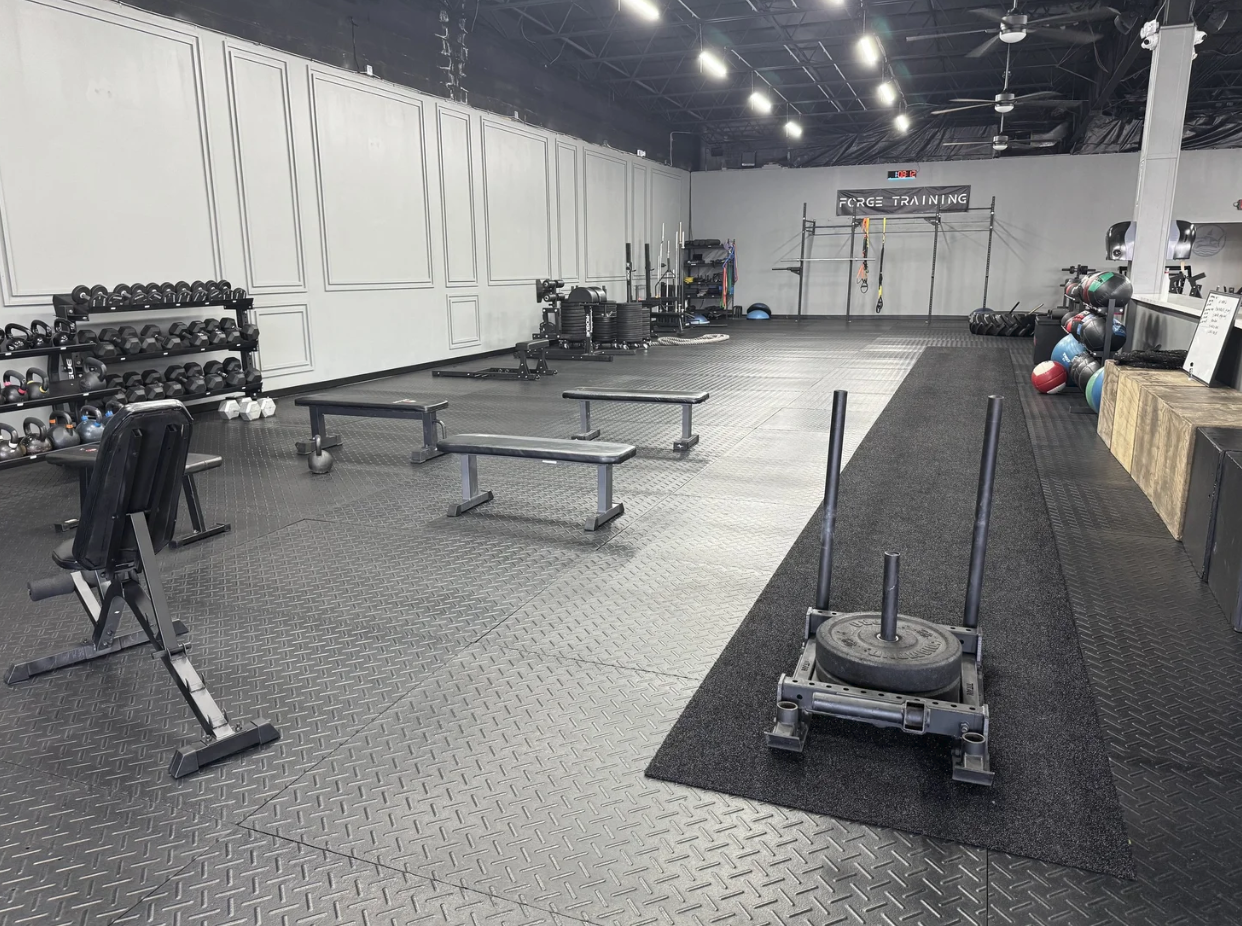
When asked what training approach works especially well for her clients, Dennis did not move toward novelty. She named strength training. Free weights, barbells, machines, and traditional resistance work remain, in her view, a key component that cannot be ignored. That answer gives Forge CHS its spine.
But Dennis’s method is not strength work in isolation. She described programming as hybrid and all-inclusive, shaped by the client in front of her. In her framework, cardio, balance, core movement, functional training, strength, mobility, and flexibility can all belong inside a well-rounded program when the client can complete them safely.
That point is important. Forge CHS’s method is not random variety. It is exercise selection filtered through readiness, safety, function, and the person’s goal. Dennis framed the gym as a space where she can offer “a little bit of everything” she has studied over two decades in the industry, but the programming still returns to the practical question of what the client in front of her actually needs.
The workout system Dennis described begins with an individual lens. She did not present one fixed program for every member. Instead, she emphasized programming for the person in front of her. A capable client may receive a broader combination of training elements. A newer or more hesitant member may need a clearer path, a more navigable layout, and professional support to help them understand what to do next.
The facility is part of that system. Dennis said the gym was laid out with purpose so that even a novice in lifting or weight training should be able to find success more easily. That kind of layout is not a decorative concern. For a person who is nervous, uncertain, or returning after time away, the first barrier is often not the exercise itself. It is the confusion of the room.
Forge CHS’s answer is order. Equipment placement, professional trainers, a clean environment, and a no-chaos culture are used to make the gym feel easier to enter and easier to use. In that sense, the workout method begins before the first set. It begins with whether the member can walk in, understand the space, feel at ease, and train with consistency.
Dennis’s programming philosophy is broad, but not vague. She named strength, cardio, balance, functional and core movement, mobility, flexibility, free weights, barbells, machines, and traditional Olympic lifts as part of what Forge CHS can support. The significance is not that every client receives everything at once. The significance is that the gym has the range to build a complete program around the client’s capacity and goals.
That kind of programming is especially relevant in a gym serving different ages, shapes, backgrounds, and training histories. Dennis described a membership base that does not have one prototype. The people who have come through the doors include different professionals, different looks, different levels of experience, and different reasons for training.
The common denominator is not sameness. It is suitability. In Dennis’s model, the strongest program is not necessarily the most complicated one. It is the one that is safe enough to repeat, complete enough to support the whole person, and clear enough that the client can see a path forward.
When Dennis described the results she sees from clients who follow her programming, she used language that connected appearance with capability. She described clients as lean, athletic, strong, healthy, toned, and functional. She also emphasized mobility, flexibility, movement quality, and the ability to feel good.
That is an important editorial distinction. The Forge CHS method is not framed only around how a body looks. Dennis spoke about wanting the look to be functional, to help people move better, and to support a better quality of life. The claim is not a guarantee. It is a coaching priority: build strength and athleticism in a way that still serves the person outside the gym.
The first 60 to 90 days, in her view, should help a new member feel comfortable and confident in their own skin. Just as important, they should have a clearer path forward. That is where Forge CHS’s environment and programming intersect again. Training progress begins with a member who understands where they are, what they are doing, and why they can come back.
One of the clearest measures Dennis gave was not a number on a machine or a scale. It was behavioral. She described the pride of watching someone who is nervous to enter the gym begin to come out of their shell. At first, the person may feel vulnerable, intimidated, or unsure. Over time, they begin saying hello, asking questions, and seeking advice.
That kind of progress is easy to overlook in conventional fitness marketing, but it is central to long-term training. A member who feels out of place is unlikely to remain consistent. A member who becomes comfortable enough to ask how to use a machine, how to approach a specific goal, or how to build a program has crossed into a more durable relationship with the gym.
Forge CHS’s facility design, no-filming rules, clean environment, professional tone, and welcoming member base all support that shift. Dennis is clear that intimidation is common in larger fitness spaces. Her operating response is to make the room easier to enter, easier to understand, and easier to trust.
Because Forge CHS is open 24-7, the member culture cannot be treated as an afterthought. Dennis said that when she leaves, members take care of the house and take care of each other. That description gives the gym a useful quality-control signal. The operating standard is not held only by ownership. It is reinforced by the people training inside the room.
The no-screen and no-television environment supports the same idea. Dennis described wanting good energy, good vibes, and a place where people feel at ease. She also described the return of a practical gym culture: working in with people, spotting people, and looking out for the space. In a 24-7 model, that matters.
That culture is also part of how Forge CHS differentiates itself from busier, more anonymous environments. Dennis compared some large gyms to an airport, where people are merely passing through. Forge CHS is designed to feel less transient. The goal is not only access. The goal is belonging without disorder.
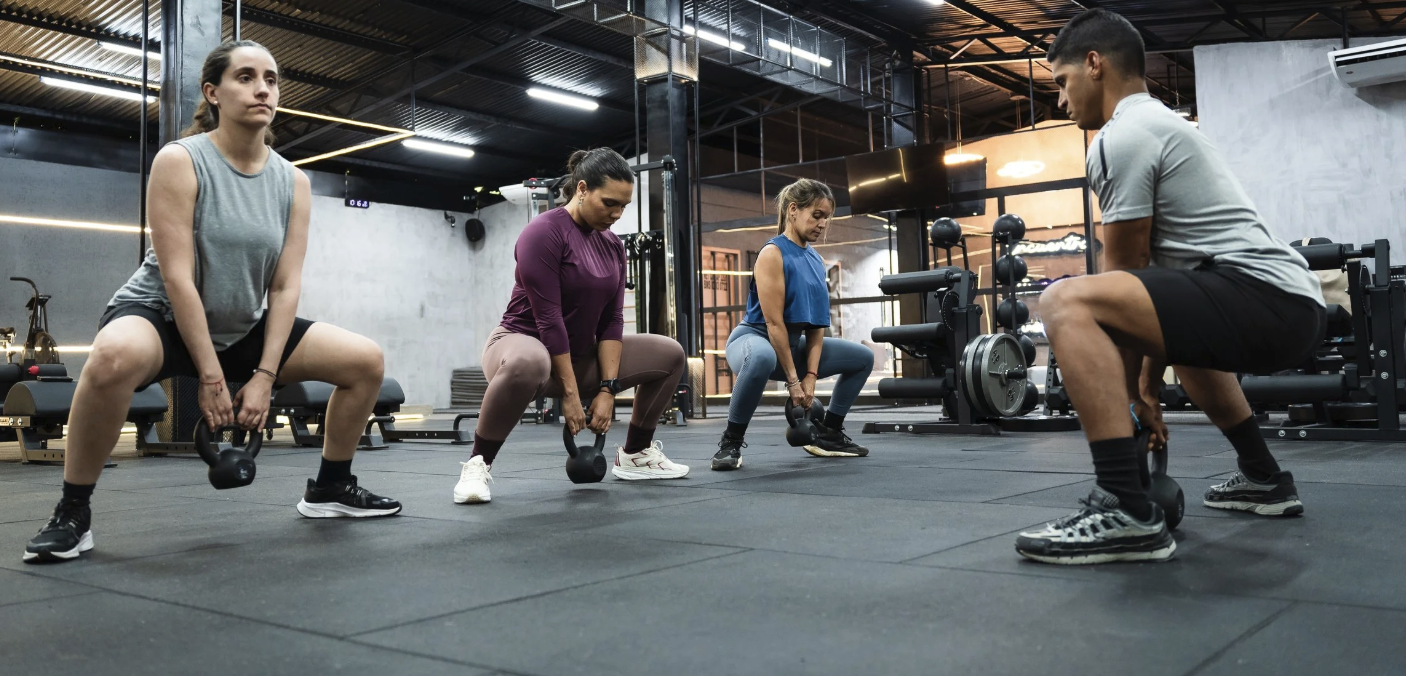
Forge CHS’s distinction begins with restraint. The gym is not trying to maximize membership at all costs. Dennis said the business will close out membership at 650 members so the atmosphere is protected and the space does not become overcrowded. In a market where access and volume often dominate the business model, that cap gives the gym a different operating logic.
Its second distinction is convenience without disorder. The 24-7 model allows members to train on their schedule, but the gym’s culture asks members to protect the house. Its third distinction is the facility standard itself. Dennis repeatedly returned to cleanliness, organization, professionalism, and ease of use as defining traits.
The fourth distinction is programming range. Forge CHS can support strength training, machines, barbells, balance, core, functional movement, cardio, mobility, and flexibility without turning the gym into a fad-driven environment. That balance is the article’s central authority point: the business is built to be complete without becoming chaotic.
Forge CHS matters locally because it addresses a familiar problem in fast-growing fitness markets. As large gym chains expand, the local member experience can begin to feel less personal, less calm, and less accountable. Dennis’s response is not nostalgia alone. It is a business model with operating choices: cap the membership, protect the facility, keep the gym open 24-7, remove filming distractions, and make training easier to navigate.
The gym’s local relevance also comes from Dennis’s long presence in the fitness industry. She has spent roughly two decades in the field, built long-standing client relationships, and described members who have trusted her across many years of training. That experience gives weight to the way she thinks about retention, comfort, programming, and the emotional reality of walking into a gym.
For local readers, the point is simple: Forge CHS is not merely asking people to join a gym. It is offering a training environment with a defined philosophy — strength matters, programming should fit the person, the room should be easy to use, and the ownership standard should be visible in the details.
- Forge CHS is a locally owned, 24-7 gym in Charleston, South Carolina, with West Ashley specifically referenced in the interview.
- Dennis’s training philosophy places strength training at the center while allowing for cardio, balance, core work, functional movement, mobility, and flexibility when appropriate.
- The gym is intentionally limited to a planned maximum of 650 members to protect the atmosphere and avoid overcrowding.
- Forge CHS’s operating identity is clean, convenient, no chaos, locally owned, organized, professional, and member-protective.
- The gym’s local credibility comes from the alignment between Dennis’s long-term fitness experience, her programming philosophy, and the facility standard she has built around the member experience.
Forge CHS’s method is not hidden behind complexity. It is visible in the decisions Dennis repeats: keep the space clean, keep the membership limited, keep the gym open when members need it, keep the programming grounded in strength, and build the training mix around what the person in front of her can do safely and consistently.
That is why the gym’s authority rests on more than its equipment or its square footage. Forge CHS represents a local standard: a place where training is meant to feel accessible without becoming casual, serious without becoming intimidating, and complete without becoming chaotic. For members who want strength, structure, convenience, and a room that feels protected, that standard is the method.
Readers interested in Forge CHS’s 24-7 gym model, strength-led programming, clean training environment, limited membership approach, and locally owned fitness standard can learn more online.
Visit Forge CHS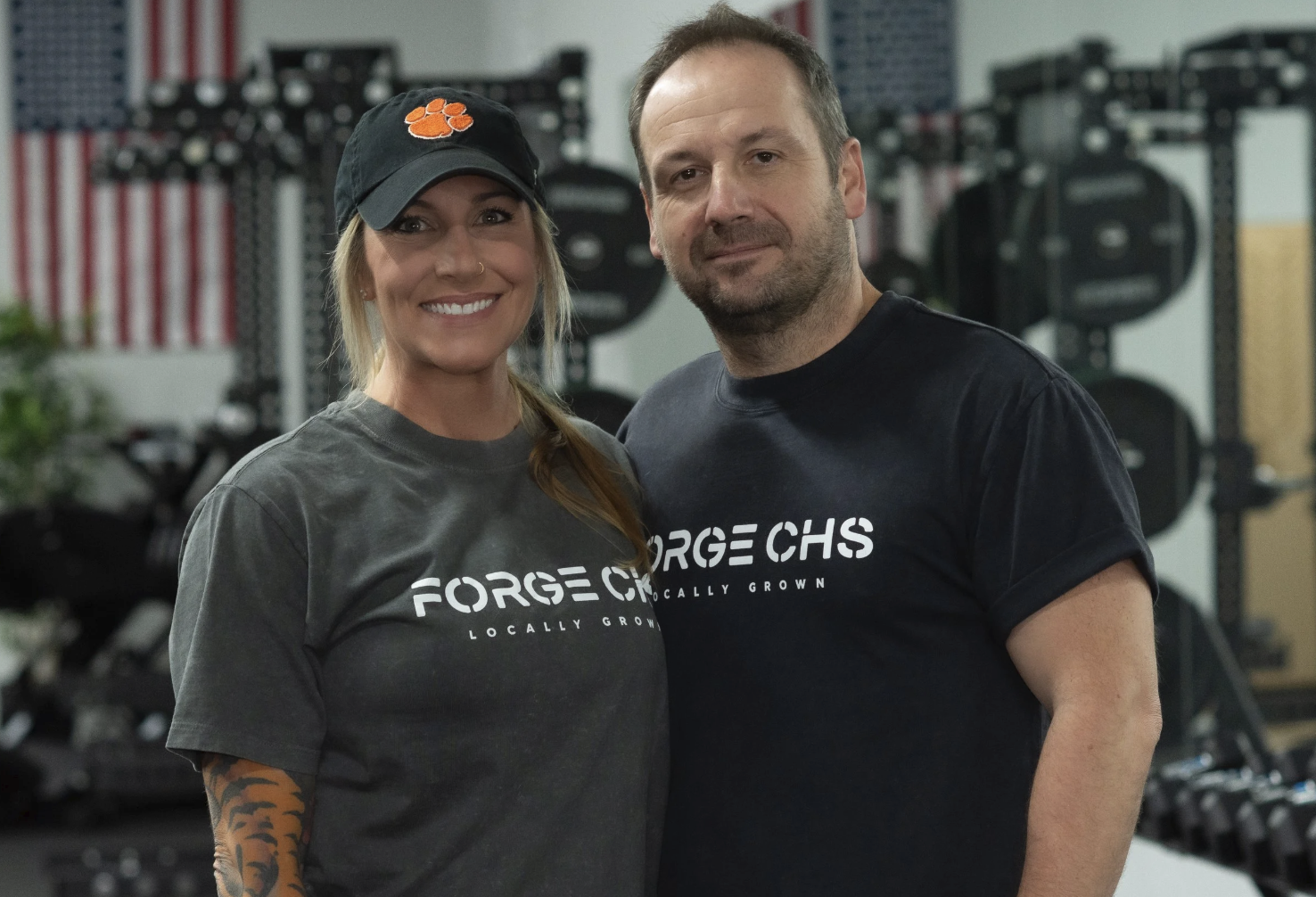
Tiffany Dennis and Christian Wolf are the co-founders of Forge CHS. The training philosophy featured in this article comes from Dennis’s Fitness Living Magazine interview, where she described a gym built around strength training, well-rounded programming, 24-7 access, clean facility standards, limited membership, and a locally owned culture designed to feel focused, welcoming, and protected.


Write A Comment