

This is a custom HTML / JavaScript Element
In order To See Your Custom HTML/JavaScript Code in Action You Must Click On The Preview Page Button, Your Code is NOT going to be active in the edit mode
Location: Redding, California
Owner / Head Coach: Christina Prosperi
Business Type: Boutique indoor cycling studio, rhythm-based class provider, and community-centered training environment
Training Focus: Rhythm-based indoor cycling, self-directed effort, level-friendly programming, strength-track and performance ride options, rider onboarding, and mental-resilience coaching.
Christina Prosperi's authority does not come from a wall of certifications or a competitive fitness résumé. It comes from the years she spent as a rider at TRUE Ride before she ever owned it. She knew the studio as a member first, someone who needed the dark room and the quiet it created in a busy mind, and she bought the business rather than watch it change hands or disappear.
That history shapes everything the studio does today. Prosperi still teaches, still rides in her own coaches' classes, and still runs the business side, and she has been deliberate about protecting the experience that made the studio matter to her in the first place. TRUE Ride is built around the belief that fitness is, at its core, mental health expressed through movement.
- Why TRUE Ride treats indoor cycling as mental training first and physical training second.
- How the studio's class formats, from the signature rhythm ride to performance and strength-focused options, give riders more than one way in.
- Why the first weeks are framed around comfort and consistency rather than a dramatic before-and-after.
- How a deliberately low barrier to entry shapes who feels welcome to try.
- Why presence, effort, and belonging sit at the center of Prosperi's coaching standard.
Prosperi's philosophy is easy to state and harder to practice: focus less on physical results and more on mental ones. In her view, most people do not stay with a fitness routine because of a number on a scale. They stay because the practice does something for their head, their stress, and their sense of what they are capable of.
That belief reshapes what a class is for. A TRUE Ride session is designed to be genuinely challenging and genuinely fun at the same time, on the theory that people who enjoy the work will keep coming back, and people who keep coming back tend to make healthier choices on their own. The physical gains arrive as a byproduct of consistency rather than as the thing being sold.
It also changes how progress is defined. For one rider, a good day is holding a climb thirty seconds longer than last week. For another, it is simply walking through the door on a hard day. Prosperi is careful not to prescribe a single version of success, which is why the studio avoids scores, monitors, and public rankings entirely.
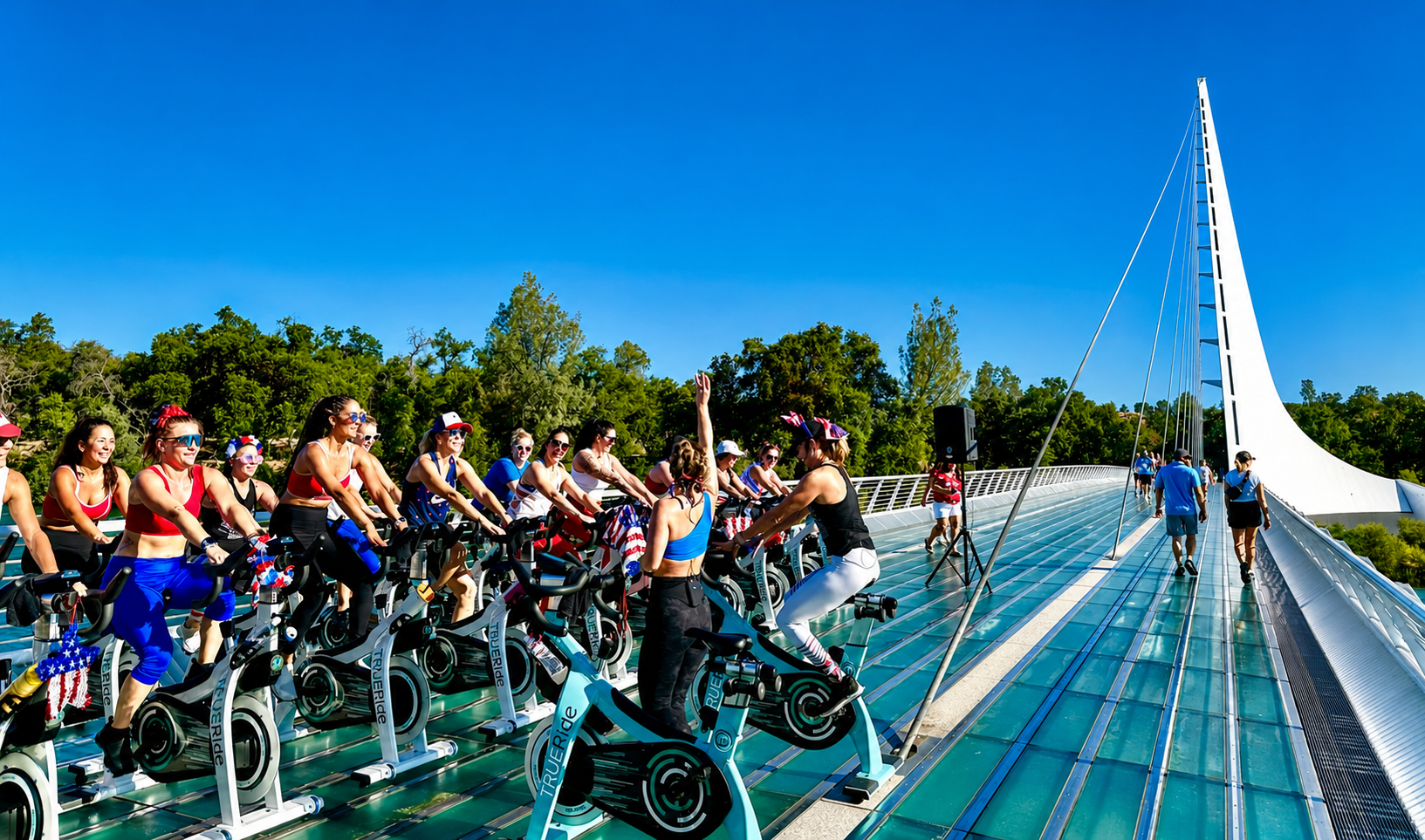
Prosperi speaks about the ride as a place where a busy mind can finally quiet down. The room goes dark, the door closes, the rider clips in, and for forty-five minutes there is a single thing to focus on. She describes the value of being fully present, of letting the noise fall away, and of the steadiness that follows when a person has to be somewhere their thoughts cannot chase them.
That focus is not incidental. It is the point. Prosperi frames the studio as a place riders leave better equipped to handle the rest of their lives, their families, their work, and their communities. The physical challenge is real, but its deeper purpose is to build resilience, self-trust, and the habit of doing hard things without needing to be perfect at them.
TRUE Ride's credibility rests on that balance. The studio does not ignore the body, and it does not pretend the work is easy. It simply refuses to let a number on a screen become the only thing that counts, because for most of Prosperi's riders, the mind is where the real change begins.
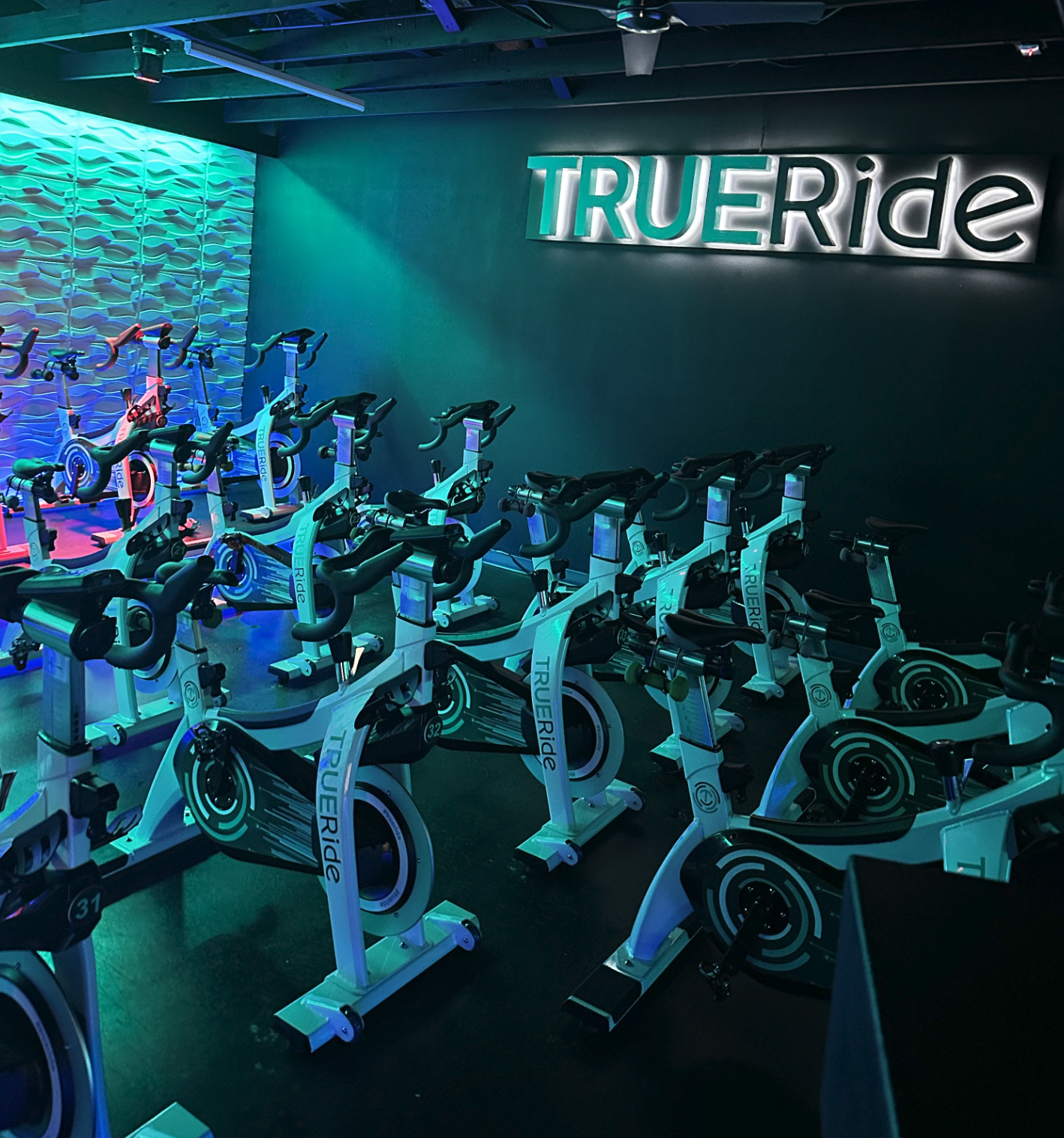
A TRUE Ride class runs forty-five minutes, and the room itself is part of the design. Riders move from a bright, calm entry into a darker studio with black walls, a mirror, and a wave wall lit in the studio's signature teal. Prosperi calls it the walk-in lighting, a deliberate threshold that helps people set down whatever they carried in. Each class opens with the coach bringing everyone's attention to center.
The studio's formats give riders more than one way to train. The signature rhythm ride pairs choreography with lighting and music. A quieter, lower-lit segment, what the studio calls the TRUE Ride, drops the choreography and makes room for storytelling and reflection. A newer Power Ride adds weight work and more advanced choreography, while a Performance Ride replaces the flashing lights with steadier, solid-state lighting and endurance-style climbs for riders who want effort without the sensory intensity.
There are no monitors and no leaderboards. Intensity is a rider's own call, framed on a simple effort scale the coach describes out loud. Classes close with a stretch, a softer moment, and a cold eucalyptus towel handed out like a small reward, then the coaches leave the room first to high-five every rider on the way out.
Prosperi's view of a rider's first stretch is telling. She does not describe it as a countdown to a transformation photo. She hopes that by the end of a first ride, a nervous newcomer feels at ease, comfortable not knowing exactly what to expect, and willing to keep showing up. The early win is the realization that not knowing is fine, and that curiosity and effort are enough.
By sixty to ninety days, her hope is a shift in self-talk. She wants riders to trust that they can do hard things, show up in unfamiliar spaces, ask questions, and carry that resilience into parts of life well beyond the studio. The studio runs on curiosity and humility, not shame or guilt, and there is no scoring anyone against anyone else.
That patience is part of the method. When life gets busy, riders can put a membership on hold without a lecture, and Prosperi treats stepping away for a season as a normal part of a real life rather than a failure. The studio is built to be there when people are ready to come back.
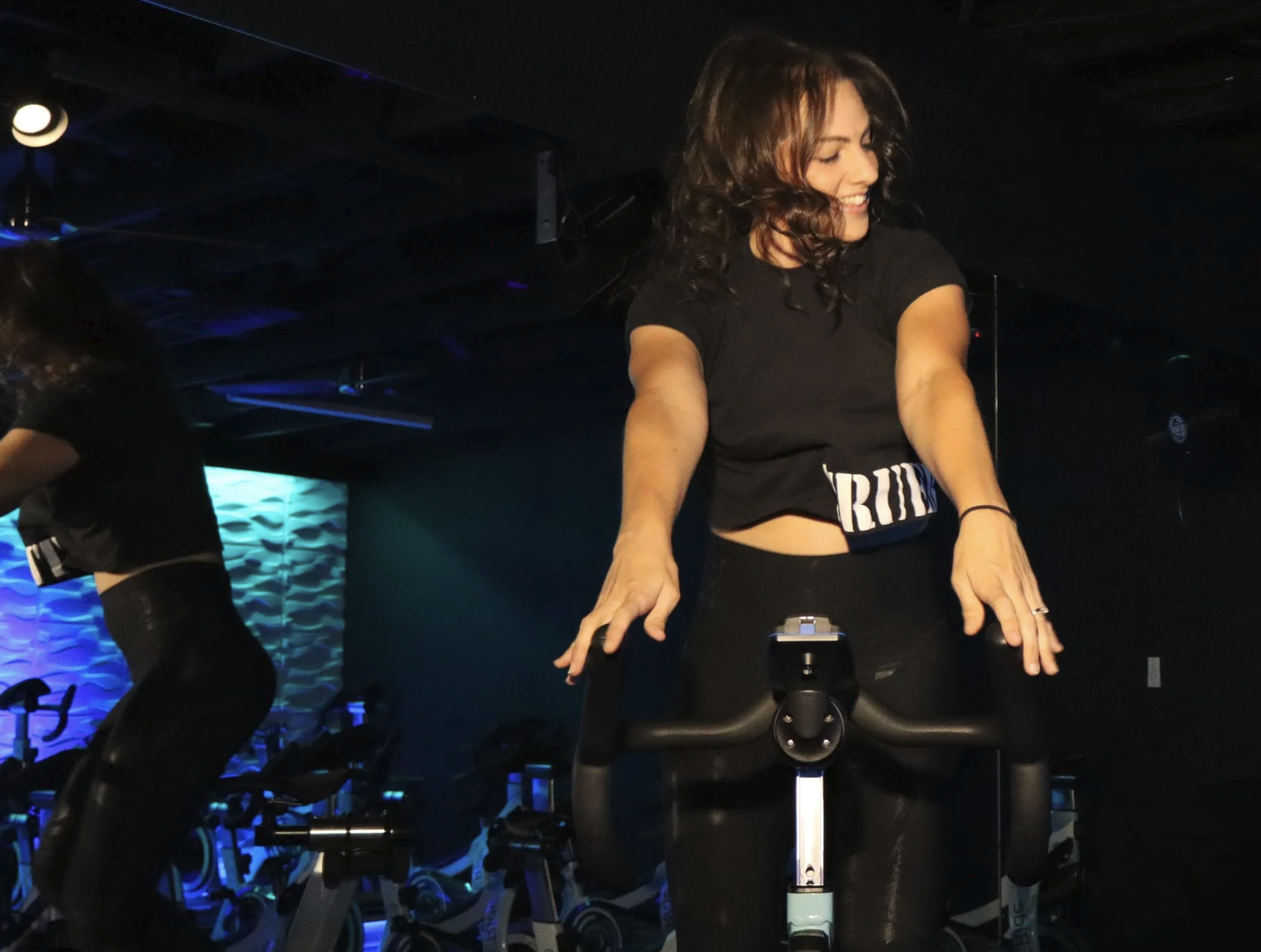
Ask Prosperi about the results that make her proudest, and the answer rarely happens in the spin room. She points to a rider who applied for a job they were afraid to want, whether or not they got it, or someone who stopped telling themselves no and simply tried. The pattern she is watching for is a person moving through fear and finding out they were more capable than they believed.
Her conviction is that lasting motivation is internal, not external. Louder cheering does not keep people consistent. A stronger inner voice does. So the studio works to grow that voice, and the healthier choices, the extra water, the better sleep, the steadier routine, tend to follow because riders want to keep showing up for something they enjoy.
That is a more honest standard than a before-and-after. Most people are not training for a stage or a scoreboard. They are training to feel steadier in their own lives, and TRUE Ride's authority comes from taking that goal seriously.
TRUE Ride is a boutique studio by design, holding forty-two bikes and sharing a building, through its own entrance, with a local dance company. The entry is clean and calm, with white walls, a small merch area, relaxed seating, and a small front desk. Riders check in, grab shoes if they need them, and settle into the space before class rather than rushing straight to a bike.
The choices are intentional. There is no daycare, which Prosperi frames as part of keeping the barrier low, an in-and-out forty-five minutes that respects busy schedules. The environment is deliberately inclusive, meant to be a safe place where riders are not asked about their politics, their history, or their reasons for being there. In a community that is not always easy about that, she has worked to make belonging the default.
The culture is relational on purpose. Staff learn names, follow up on the small things, and offer a hug or a high-five as readily as a workout. A love-local board welcomes travelers, and for many riders the studio doubles as a defense against isolation, a place to be part of something even on a quiet day.
TRUE Ride stands apart partly because of what Prosperi refuses to do. She runs the studio from an abundance mindset, openly encouraging riders to try other local options if that is what they need in a given season. She does not hard-sell long contracts, does not lean on guilt, and would rather a rider start with a single month than lock into a year they might regret. That restraint is itself the differentiator.
Her background sharpens the point. Before ownership, Prosperi spent years in public service advocating for people to walk, bike, and move, whether for fitness or necessity. That habit of building things for the community carries into how she markets the studio, through nonprofit partnerships, local fundraisers, and event booths rather than aggressive advertising. Visibility, in her model, is a byproduct of showing up for Redding.
She is also unafraid to evolve. After steadying the business, Prosperi has treated new ideas as pilot projects: adding the strength-focused Power Ride, launching Performance Ride for riders who want effort without the flashing lights, opening a once-a-month True Start onboarding, and welcoming teens who can safely fit the bike. Each addition follows the same logic of trying, evaluating, and adjusting rather than standing still.
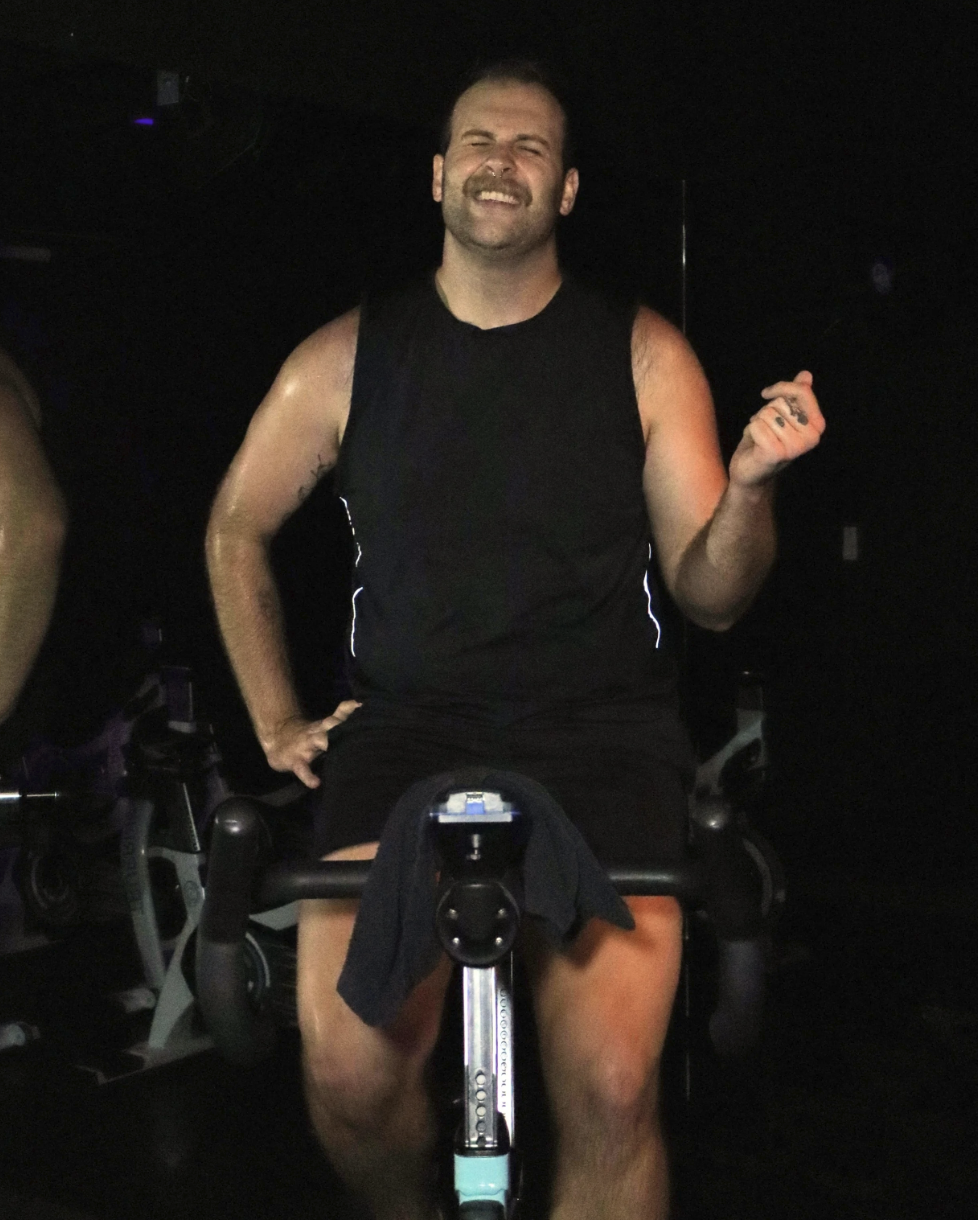
- TRUE Ride is a boutique indoor cycling studio in Redding, California, owned and coached by Christina Prosperi.
- The method treats rhythm-based cycling as mental training first, with physical results following consistency.
- Class options range from the signature rhythm ride to Power Ride, Performance Ride, and a True Start onboarding session, giving riders more than one way in.
- The studio removes leaderboards, scores, shame, and pressure, and keeps the barrier to entry deliberately low.
- The core promise is belonging and resilience: riders should leave steadier, more confident, and more willing to keep showing up.
The clearest signal in TRUE Ride's story is not the choreography or the lighting. It is the reason Prosperi bought the studio at all. She had felt what forty-five minutes in a dark room could do for a crowded mind, and she wanted to protect that for other people in Redding.
For a reader looking for a fitness space that is serious about people and relaxed about everything else, the message is plain. The rides are structured. The coaching has standards. The door is open to any level. And the goal is not to train harder for its own sake, but to build the kind of resilience and belonging that outlast the session.
For readers who feel drawn to TRUE Ride, the first step is not a contract or a commitment. It is simply to come and ride. The studio keeps the barrier to entry low on purpose, because Prosperi does not expect anyone to know what they want after a single class.
The first ride is complimentary, with no sign-up fees and shoes included. From there, riders can explore a flexible, month-to-month introductory option and settle into whatever schedule fits their life, with the freedom to pause a membership when a season gets busy and pick it back up later.
Explore The Studio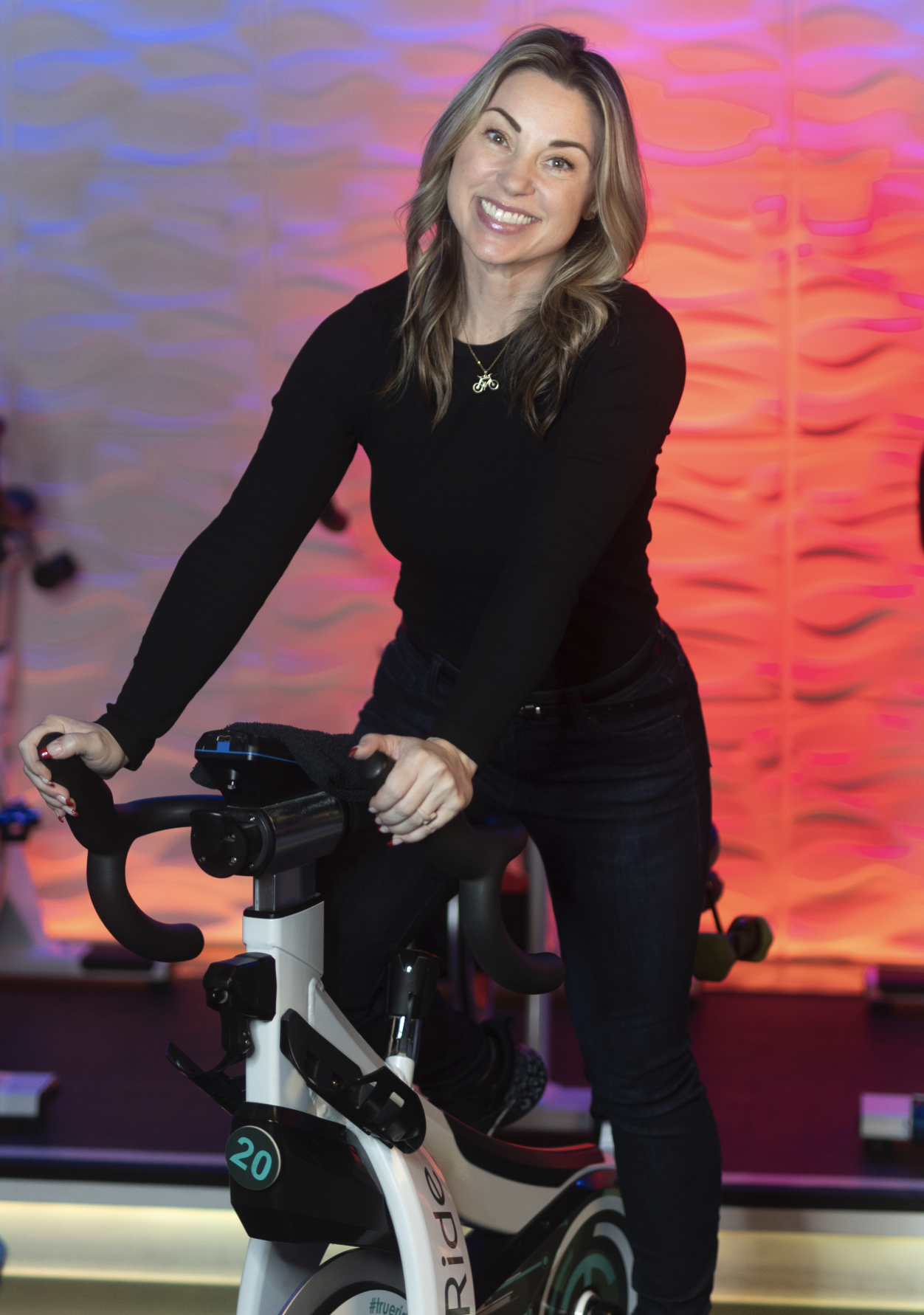

Christina Prosperi owns and coaches TRUE Ride in Redding, California, a studio she first knew as a longtime rider before buying it rather than see it disappear. Her approach draws on that member's-eye view: a background in public service, a personal understanding of how movement steadies the mind, and a conviction that people ride most consistently when they feel welcomed, unjudged, and genuinely known.
Muscle & Authority Magazine™ prepared this authority feature using a recorded editorial interview with Christina Prosperi, business context supplied for TRUE Ride, the studio's official website, and provided image and logo assets. The review centered on the studio's rhythm-cycling method, class formats, coaching standard, rider experience, and local position in Redding, California.
This article is editorial in nature. It is not medical, rehabilitation, nutrition, or individualized training advice, and it does not make medical claims, guarantee outcomes, fabricate credentials, rely on unsupported testimonials, or present unsupported transformation promises.


Write A Comment