

This is a custom HTML / JavaScript Element
In order To See Your Custom HTML/JavaScript Code in Action You Must Click On The Preview Page Button, Your Code is NOT going to be active in the edit mode
IBFit: Inside the Training Methods Driving Real Results
Location: Indian Land, South Carolina
Founder / Coach: AJ Passmore
Training Lead / Interview Source: AJ Passmore
Business Type: Gym, fitness studio, and coaching business
Training Focus: Group training, strength training, personal training, online coaching, nutrition coaching, accountability coaching, habit tracking, mobility support, and a six-week challenge designed as a short-term entry point into the IBFit method.
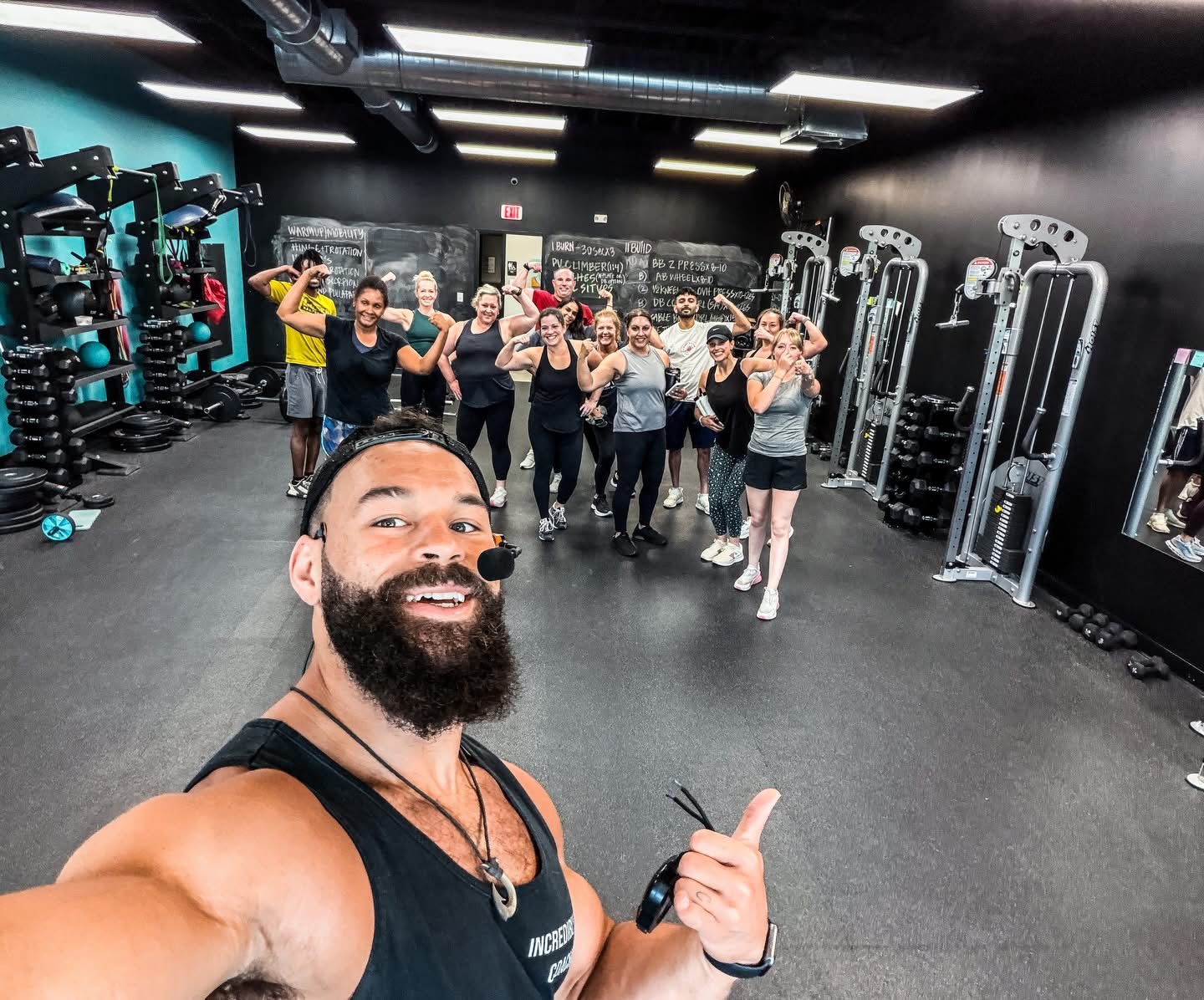
AJ Passmore speaks about fitness with little ornament. The method at IBFit is not presented as a secret system, a clever shortcut, or a complicated reinvention of training. It is built on fundamentals that are difficult because they require repetition: strength training, daily movement, food awareness, water, sleep, accountability, and a training environment people can return to with enough consistency for progress to compound.
That is what makes the IBFit model worth examining. Passmore does not reduce results to the workout alone. In his view, the class is one part of a larger operating system. The training has to be strong enough to build the body, but the surrounding habits have to be clear enough to support the person outside the gym.
- How IBFit combines group training, personal training, online coaching, nutrition, and accountability into one method.
- Why Passmore emphasizes three days a week of strength training as a foundation for client progress.
- How daily habits such as steps, water, food tracking, sleep, mobility, and activity support the work done in the gym.
- Why the six-week challenge functions as a practical starting point for people evaluating the IBFit environment.
- How IBFit’s community culture helps members feel welcomed, accountable, and more likely to keep showing up.
The central logic of IBFit is that results require more than attendance. A member can complete a hard class and still struggle if the rest of the week is unmanaged. Passmore’s model closes that gap by pairing strength training with nutrition coaching, habit coaching, and accountability systems that extend beyond the gym floor.
In the interview, Passmore described a training philosophy anchored by three days a week of strength training. Around that, IBFit looks at the other factors that can quietly decide whether the training produces visible change: steps, activity throughout the day, water, sleep, mobility, food tracking, and the consistency required to keep those behaviors from becoming occasional good intentions.
That is why the method feels less like random group fitness and more like a structured coaching environment. The workout matters. But the larger standard is whether the person is learning how to live in a way that supports the workout.
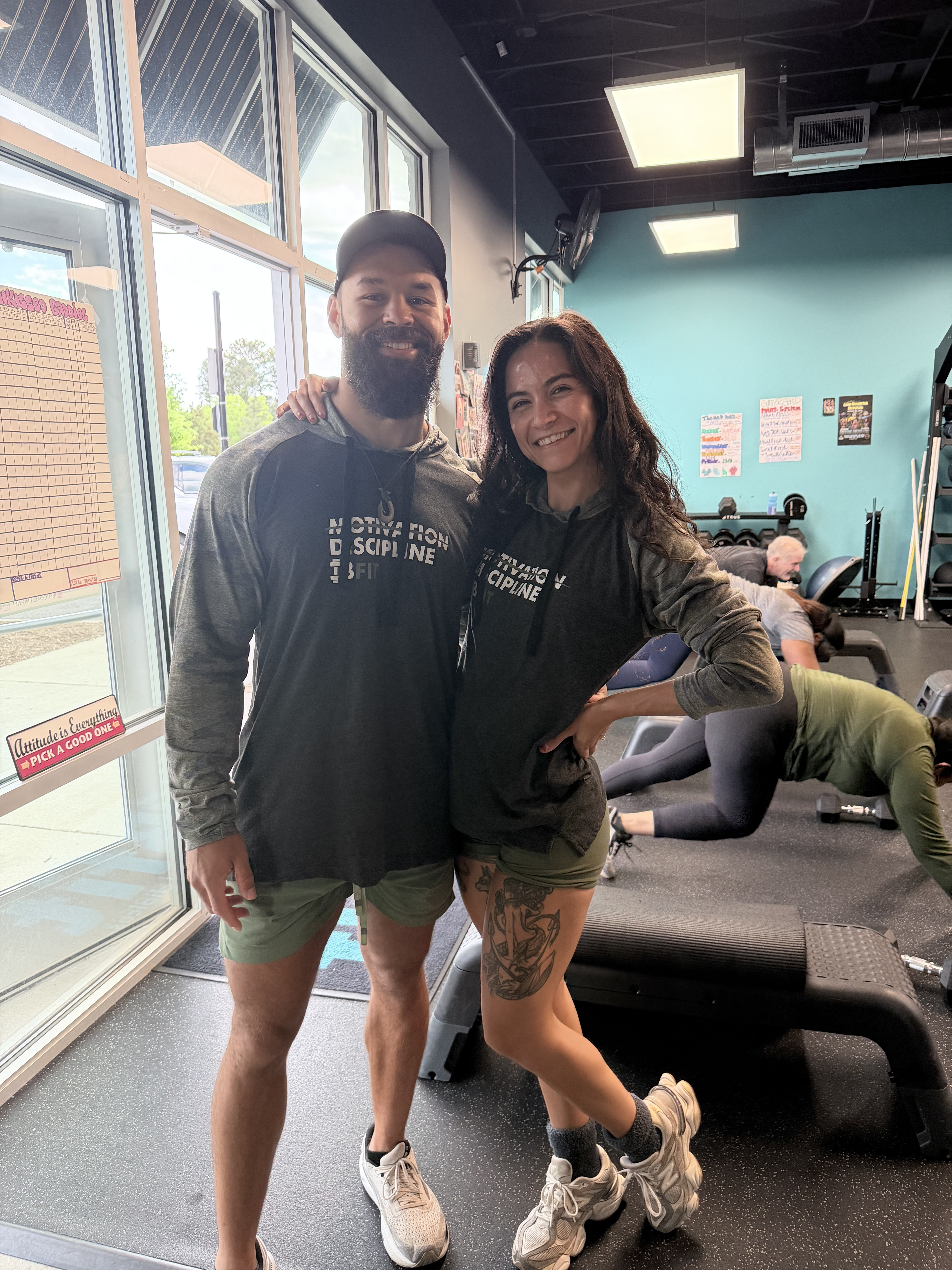
The most revealing part of Passmore’s philosophy is how little he tries to dress it up. When asked what works especially well for clients, he pointed to the basics: at least three workouts a week, 10,000 steps a day, intentional food choices, enough protein to support strength training, enough water, and the consistency to repeat those behaviors.
That answer may sound modest, but in a coaching environment it becomes a standard. The job is not simply to tell people what they already know. The job is to help them practice it when they are tired, busy, intimidated, discouraged, or unsure whether they can keep going.
That is where IBFit’s coaching infrastructure matters. The app, tracking, food logging, programmed workouts, step goals, water habits, sleep habits, and mobility work are not decorative technology. They are part of the system that turns a workout plan into a more complete behavioral plan.
IBFit’s in-person work is centered on group training, with classes that Passmore described as high-energy and strength-focused. The room is structured for up to 20 people, which gives the program the energy of a group environment while still allowing coaching to remain part of the session.
The emphasis on strength is important because Passmore does not frame fitness only as weight loss. He spoke about body composition, visible muscle definition, mental confidence, and helping people realize they can do more than they believed. In that context, strength training is not just a training category. It is a confidence mechanism.
The work is also scalable. IBFit offers personal training and online coaching, which allows the method to extend beyond members who are local to the physical studio. Online clients receive programming through the app, while the same underlying philosophy remains: structured workouts, habit accountability, nutrition awareness, and progress built through consistency.
Passmore’s background helps explain the shape of the business. Before IBFit, he coached in group fitness environments, helped open franchise locations, worked in pre-sale operations, and later built an online coaching foundation with his wife. In his words, the online phase is where they learned fitness, nutrition, and accountability coaching in a deeper way.
That combination shows up in the current IBFit model. The business is not only a place to attend class. It includes a coaching structure that follows the client through food tracking, programmed workouts, step accountability, water intake, sleep habits, and mobility needs on off days.
For members who hit roadblocks, the coaching standard becomes especially important. Passmore described the coach’s role as helping people move through hurdles rather than letting those obstacles stop them in their tracks. That is a practical definition of accountability: not pressure for its own sake, but guidance when the client is most likely to retreat.
IBFit’s results language includes physical transformation, but it is not limited to it. Passmore spoke about body fat loss, visible muscle definition, mental clarity, confidence, self-belief, and helping people feel like themselves again. That wider definition matters because sustainable training has to survive beyond a short burst of motivation.
During the interview, Passmore described the six-week challenge as a program where people pursuing fat loss may see meaningful early progress, while also emphasizing that everyone starts from a different place. In the context of an authority article, the more important point is the structure behind that progress: strength training, nutrition, accountability, and daily behavior change working together.
The strongest outcome may be the mental shift. Passmore wants people to move from “I have to work out” to “I get to work out.” That shift is not sentimental. It is operational. A person who enjoys the room, trusts the coaching, and feels better after training is more likely to keep returning.
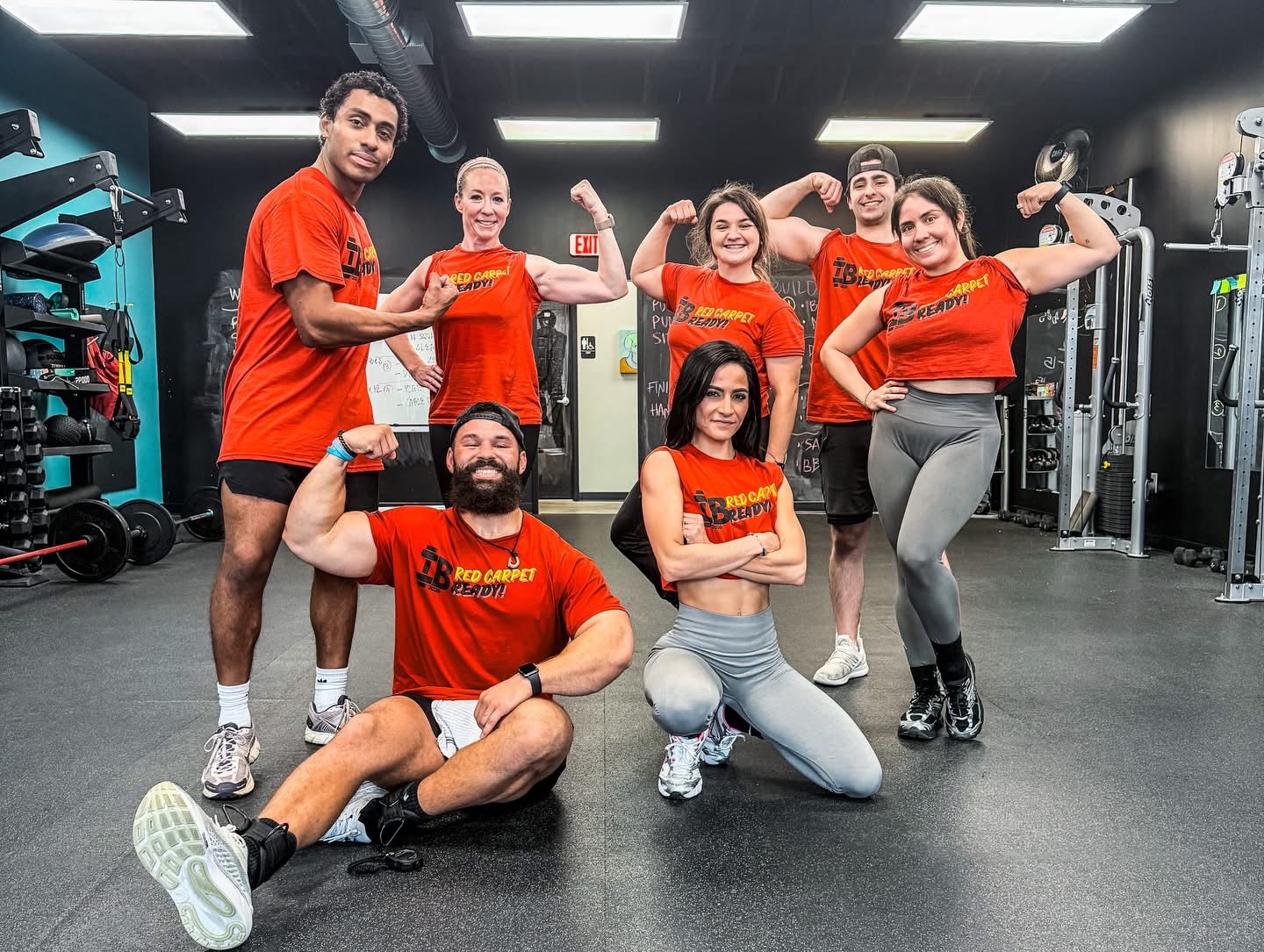
When Passmore describes what members notice, he returns to community and culture. The environment is meant to feel like a family: accountable, safe, welcomed, and energetic. That matters because intimidation is one of the biggest obstacles for people considering a gym.
Passmore said many people see fit members inside the gym and assume those people started there. His response is simple: many did not. Some began exactly where the nervous prospect is standing now. The local authority of IBFit is strengthened by that message because it lowers the psychological cost of beginning without lowering the standard of training.
A gym can have excellent workouts and still fail a new member if the room feels cold or confusing. IBFit’s member experience is designed to solve that problem. The class brings energy, the coaching brings direction, and the community helps people feel less alone in the work.
Quality control at IBFit is expressed in practical coaching decisions. Passmore described the importance of form when people are learning to pick up a barbell or heavier dumbbells. The coach’s role is to make sure the person is moving properly, not simply to push the room harder.
The same principle applies mentally. When clients hit hurdles, Passmore sees coaching as the process of helping them understand that the obstacle is not as large as it feels in the moment. That may be one of the most important parts of the IBFit method: helping members interpret difficulty without surrendering to it.
The result is a coaching culture where the class, the app, the habit system, and the member community all point in the same direction. The member is not just asked to work hard. The member is coached to keep going.
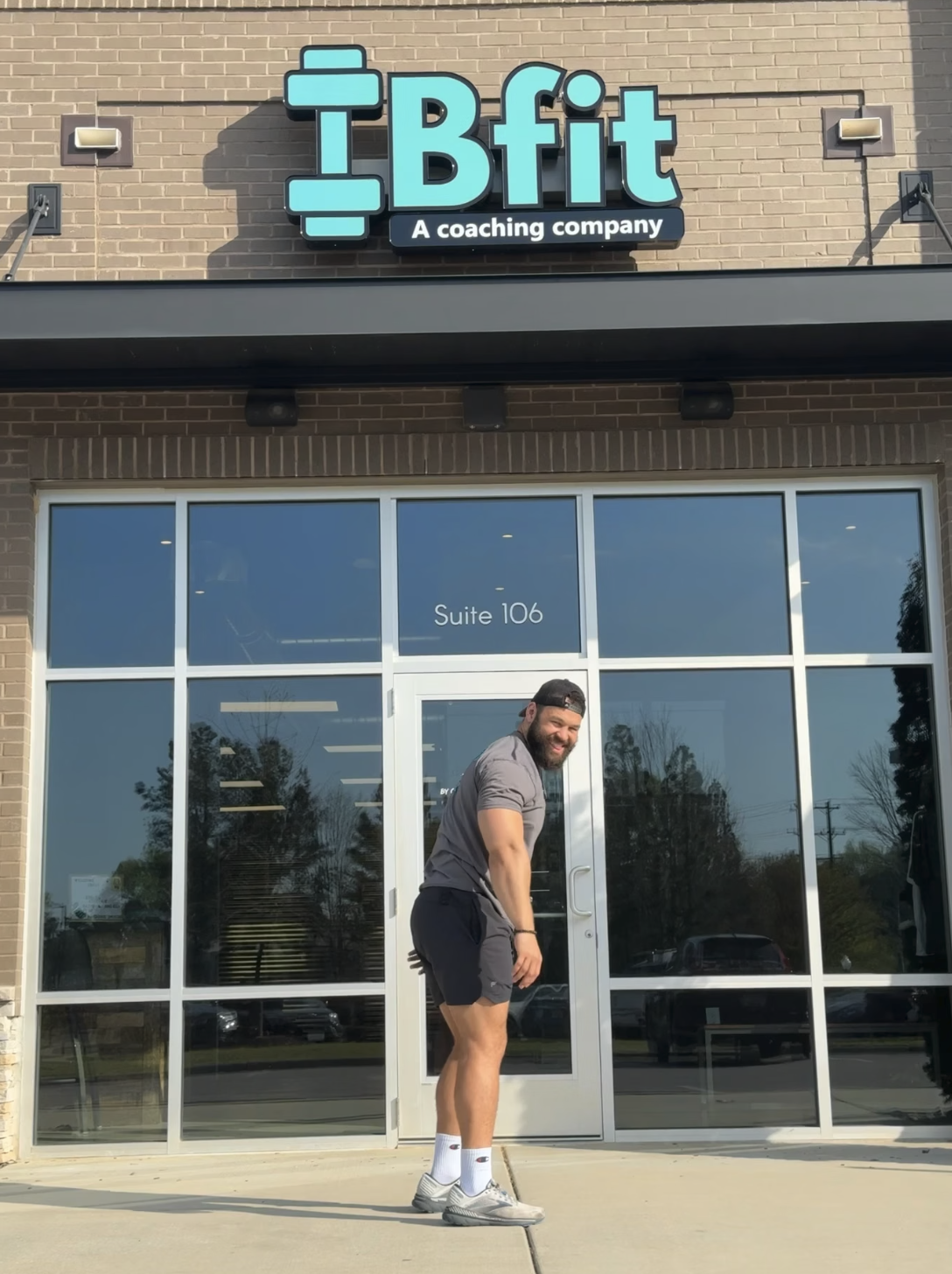
When asked why someone might choose IBFit over another local option, Passmore did not point only to the workouts. He pointed to the well-rounded nature of the program. Members are not just coming in for exercise. They are entering a system that includes long-term sustainable habits, nutrition support, accountability, and the coaching needed to move the needle.
That distinction matters in a crowded fitness market. Many gyms can offer effort. Fewer can connect effort to a clear daily standard that members understand and can practice. IBFit’s advantage is the way it places strength training inside a larger lifestyle framework without turning the message into a complicated system.
The business also benefits from referral momentum. Passmore described referrals as one of the strongest channels for new members, which suggests that current members are proud enough of the experience to bring in friends, family, and co-workers. In an authority context, that kind of word-of-mouth matters because it comes from lived experience, not advertising alone.
IBFit is relevant locally because it speaks to a common problem: many people do not need a more exotic fitness plan. They need a place that can help them start, understand the basics, stay accountable, train strength, improve their daily habits, and keep going long enough for the work to matter.
Passmore understands that intimidation can keep people from walking through the door. He also understands that interest is not the same as commitment. In his view, many leads are only looking until they become ready to make a lifestyle change. IBFit’s job is to provide a credible path once that readiness appears.
That makes the business more than a class schedule. It is a local coaching system built around helping people become stronger, more confident, and more consistent through the basics that actually move the needle.
- IBFit is a South Carolina gym, fitness studio, and coaching business led by AJ Passmore.
- The training model emphasizes strength training, group coaching, personal training, online coaching, nutrition, and accountability.
- Passmore described IBFit as serving about 160 members, with group classes of up to 20 people.
- The IBFit app supports programming, food logging, workout tracking, step goals, water, sleep, and other habit accountability.
- The method’s strongest promise is sustainability: members are coached to build long-lasting habits that support visible and mental progress.
The IBFit article is not ultimately about harder workouts. It is about a more complete standard. Passmore’s method connects the gym floor to the rest of the day, and that connection is where the business earns its authority.
Strength training gives members something measurable to build. Habit coaching gives them something repeatable to practice. Nutrition and accountability give the work direction. Community gives the process a place to belong. For readers looking for a serious local training environment, IBFit’s method is clear: master the basics, support them with coaching, and make consistency strong enough to change the trajectory of a life.
IBFit emphasizes strength training, group coaching, personal training, online coaching, nutrition accountability, daily movement, app-based tracking, and habit systems that support consistency outside the workout.
The business combines high-energy group classes with a broader coaching framework that includes nutrition, accountability, habit tracking, and a culture where members feel welcomed, safe, and supported.
Readers can learn more through the official IBFit website and ask about the current six-week challenge, training structure, coaching options, and whether the gym’s approach is the right fit.


Write A Comment