
This is a custom HTML / JavaScript Element
In order To See Your Custom HTML/JavaScript Code in Action You Must Click On The Preview Page Button, Your Code is NOT going to be active in the edit mode
Location: Toluca Lake, Los Angeles, California, within the Burbank area
Owner / Training Philosophy Source: Sheila Melody
Operating Since: 2012
Business Type: Boutique strength training studio and private, appointment-based personal training practice
Method Foundation: Slow-motion high intensity resistance training, described in the interview as the super slow method developed by Ken Hutchins in the early 1980s
Training Focus: Thirty-minute one-on-one sessions, supported resistance equipment including MedX, controlled tempo, recorded time to temporary muscle failure, incremental load progression, monthly body composition testing, a limited small group circuit class, and a CAROL bike sprint option.
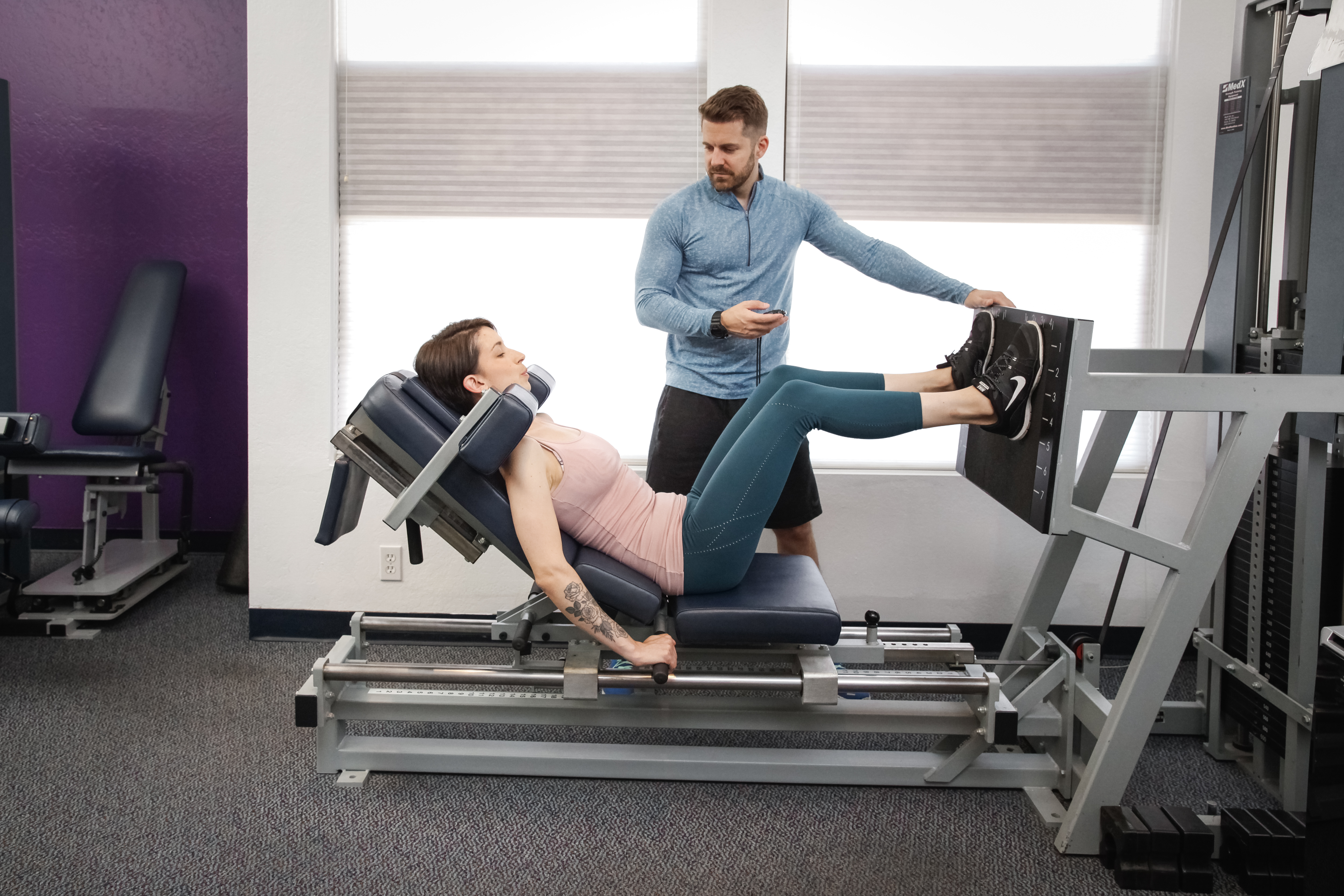
Sheila Melody came to The Strength Code as a client before she came to it as an owner. She had been training in the slow-motion resistance method for years, in the small private studios where it tends to live, when the opportunity arrived to take over one of them. She said yes quickly, by her own account without fully calculating the work involved, and the Toluca Lake studio has operated under her since 2012. That order of events matters more than it might appear. The person setting the standard had already spent years inside it.
What she inherited was a method with rules. What she built around it was a business with a record. Sessions are booked, not walked into. A trainer stays with the client for the full thirty minutes. Sets are timed. Loads are logged. Increases are approved by the chart. Fourteen years on, the studio serves roughly 200 clients and delivers about 1,100 sessions a month, according to Melody, and some of those clients have held an appointment since the studio's first year.
- How a thirty-minute session is sequenced across full-body resistance equipment, and why the studio treats momentum as the enemy of the set.
- Why time to temporary muscle failure functions as both the workload and the record that sets the following session's weight.
- What the two-visit introduction is designed to reveal, and why the second visit usually produces better numbers than the first.
- How one trainer per client protects form, breathing, and the decision to add load.
- Why Melody defines the studio as much by what it declines to program as by what it offers.
The session is short by design and dense by construction. A client works through a full-body sequence on specialized resistance equipment, much of it MedX, which Melody describes as biomechanically adjustable to the individual and supportive enough that heavier loads can be handled than a comparable free-weight movement would allow. Some stations are compound. Others isolate a single muscle group. Nothing is left to the client to figure out.
The tempo is the method. Weight is lifted and lowered slowly enough that momentum stops contributing, which removes the easiest way to cheat a set and makes the muscle do the entire job. The target load sits near eighty percent of what the client could move for one repetition. From there the set continues until the muscle reaches temporary failure, and the trainer records how long that took.
Melody is precise about the window. In the method's original literature, roughly ninety seconds to failure is treated as the optimal dose. In practice, she said, that is too severe for many people, so the studio commonly works to two minutes and sometimes two and a half. If a client sails past three minutes, the reading is unambiguous: the weight was too light, and it goes up next time.
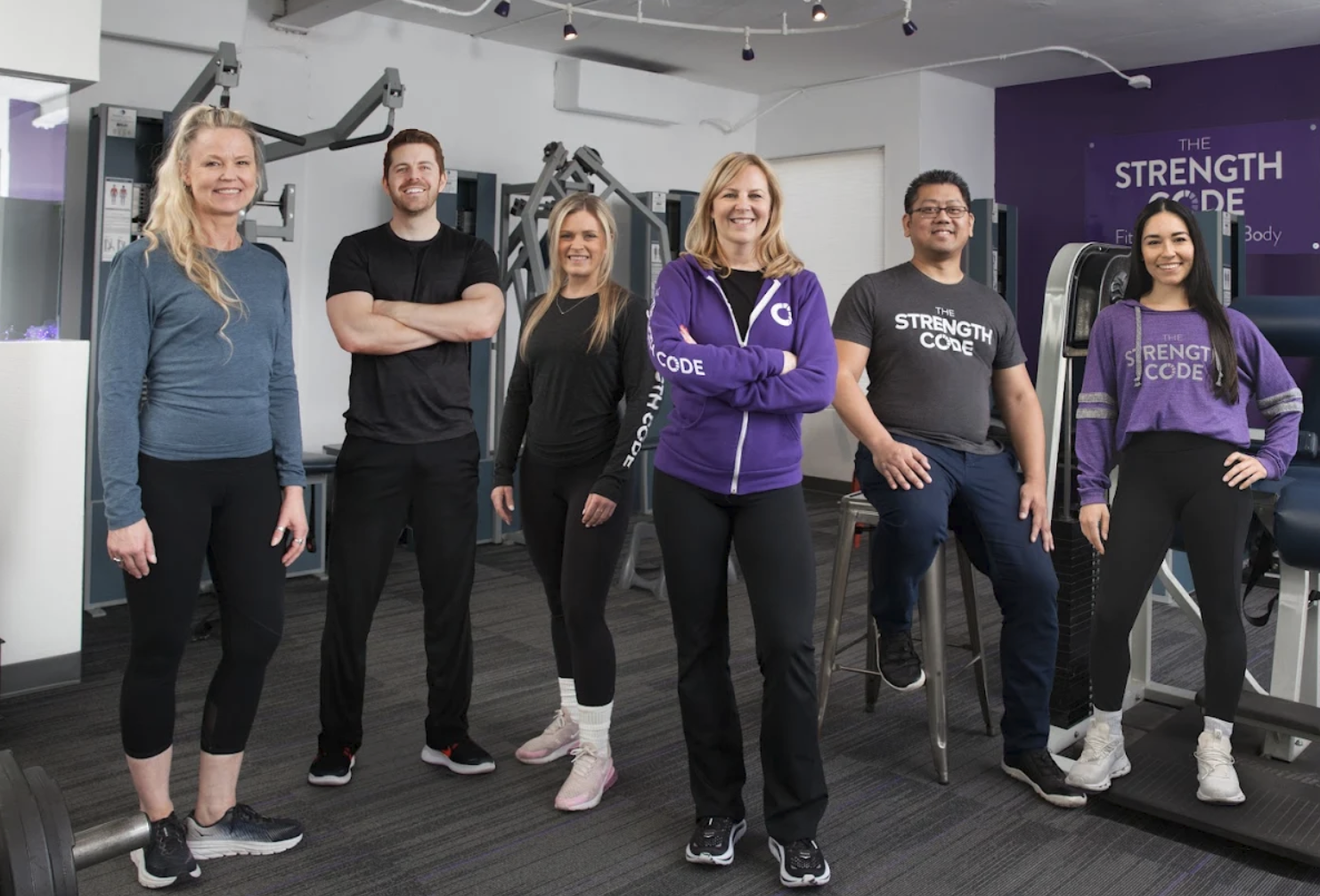
Slowness is often mistaken for softness, and Melody knows it. She described the studio's most persistent obstacle plainly: watching a video of the work does not communicate anything, because a slow repetition looks easy from the outside. The difficulty is internal and it arrives quickly. Most first-time clients, she said, are surprised by how deep a single set becomes within two minutes.
Control is the point of the tempo. Because the client is seated and supported, because the equipment fixes the path of the movement, and because nothing is swung or dropped, the trainer can watch form and breathing rather than manage risk in the middle of a lift. Melody's studio is quiet by comparison to most training rooms. Weights are not dropped. If something feels wrong, the set stops.
That environment is what makes the intensity usable by the studio's actual client base. These are not competitors. They are people in their forties, sixties, and eighties who want to remain autonomous, and who are frequently apprehensive on the first visit. The method allows them to work near the top of their capacity in a setting where the equipment, not the client's technique under fatigue, is holding the position.
Progression at The Strength Code is not a matter of enthusiasm. Every exercise is charted, every time to failure is recorded, and the record dictates the next decision. When the clock says a client held on too long, the weight rises. Sometimes the increase is two pounds. Melody treats that as a feature rather than a limitation, because a series of small, defensible increases compounds over years in a way that ambitious jumps rarely survive.
The record also solves a problem most independent trainees never escape. Melody described the familiar cycle of walking into a large facility and trying to remember what was done last Tuesday, what should follow it, and whether the plan is still working. Her clients never enter that loop. The chart remembers, the trainer reads it, and the session begins on time.
There is a second measurement layer. Membership clients receive a monthly body composition test on a medical-grade system Melody describes as the closest available comparison to a DEXA scan. The studio reads muscle first, not weight, because weight alone tells a client almost nothing about what the training is building. Those readings feed back into the programming, indicating where more muscle would be useful.
The studio deliberately splits its introduction into two appointments, and the reasoning is instructive. The first visit begins with an intake form and a conversation about goals, injuries, and apprehensions, followed by the body composition test and a full report. Only then does the client move onto the equipment. If the studio is busy, or if the client has clearly absorbed enough, two or three stations can be sufficient for a first exposure.
The second visit is where the method starts to reveal itself. Knowing what is coming, clients typically perform substantially better. Weights go up, a couple of movements are added, and the depth of the work becomes something the client can anticipate rather than merely endure. Melody's framing is direct: people have to sit in the seat to understand it, because nothing about watching it explains it.
Nervous beginners are treated as the normal case rather than the exception. Melody said the studio congratulates people simply for walking through the door, then builds confidence by starting conservatively and letting the timer make the argument. A client placed on a light weight who lasts four minutes has just been shown, by their own performance, that they were stronger than they believed.
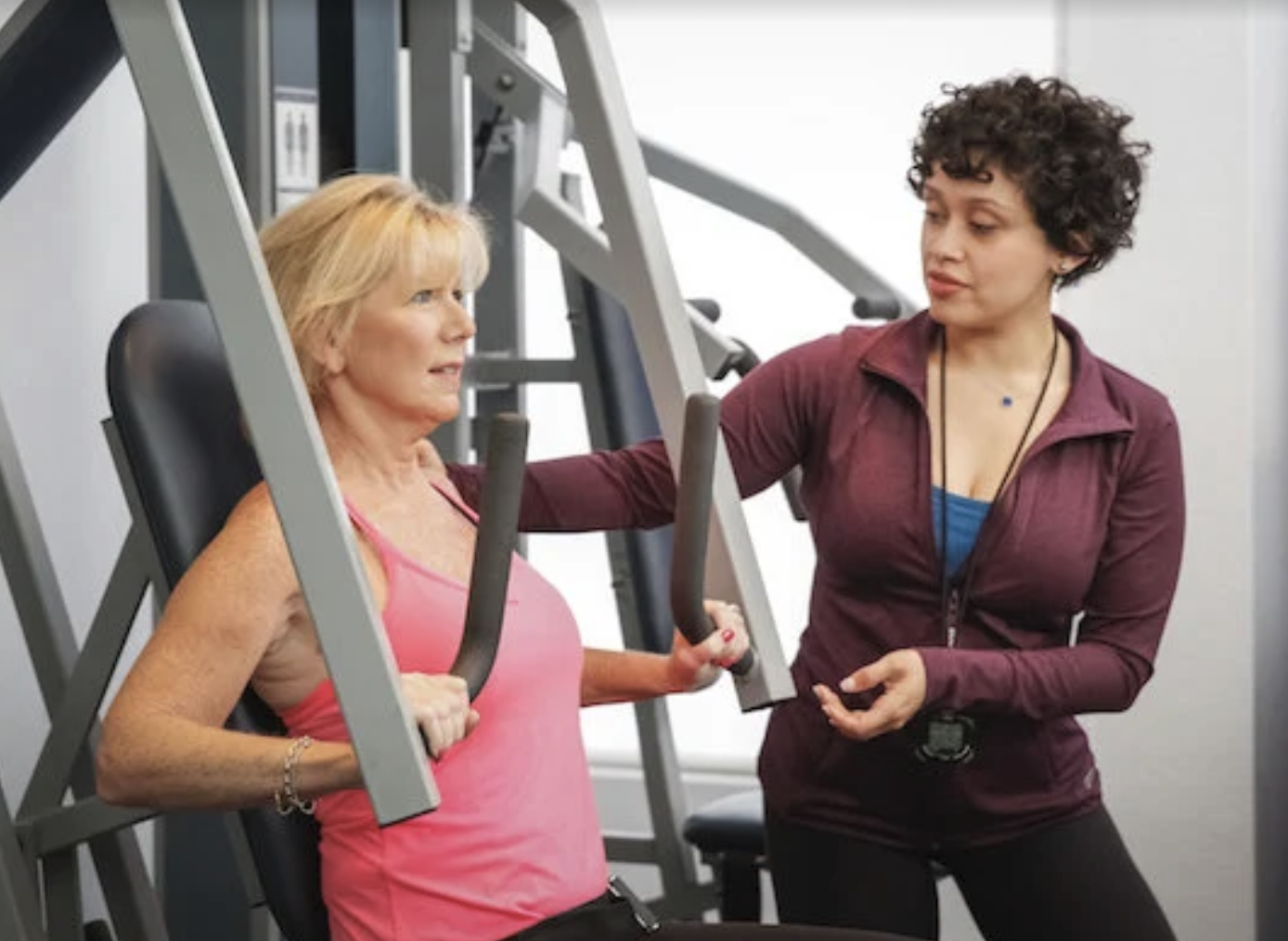
Ask Melody what progress looks like and the answer is almost never aesthetic. She described a client who tripped on a staircase, caught herself on the banister, and was convinced she could not have done so before training. She described another who volunteered to help lift a chair at a wedding. She described a client who started gardening again after giving it up to fatigue, and a younger client who suddenly managed a heavy tote she had not been able to move for a long time.
Inside the studio, the milestones are numerical and no less meaningful. Melody noted how much it registers when a female client presses one hundred pounds for the first time, and that plenty of clients now work well beyond it. Others report the earlier, quieter markers: more energy within the first couple of months, clothing fitting differently before the scale moves, and the ability to keep walking on a trip while the rest of the group looks for a bench.
None of this is presented as guaranteed, and Melody does not frame it that way. Her position is that muscle is lost gradually with age unless something is done about it, and that grip, carrying capacity, and the ability to catch yourself are the functions people miss first. The studio's work is aimed at those functions rather than at appearance, which is why the mirror plays almost no role in the room.
The studio occupies roughly a thousand carpeted square feet inside a Toluca Lake office building, reached down a hallway rather than through a storefront. Melody contrasts it deliberately with the darker, louder, higher-volume rooms that dominate the category. There is a lobby, parking, air conditioning, and at most a few clients training at once, each one accompanied by an assigned trainer for the full session.
Staff continuity is unusual and Melody knows it. Three trainers have been with the studio since its early years and another joined more recently, all of them career professionals rather than transient hires. In a market where trainer turnover is constant, that stability is a competitive asset: clients keep the same coach, and the coach keeps the client's history in their head as well as on the chart.
Demand shows up in the calendar. Melody said the studio books far ahead, and that established clients hold their preferred times closely, because falling out of the schedule makes a prime slot difficult to recover. Access is structured accordingly: weekly memberships on auto pay that include a monthly body composition test and CAROL bike use, four and twelve session packages that renew when the last session is used, and a standalone twelve pack for clients who travel or keep irregular hours.
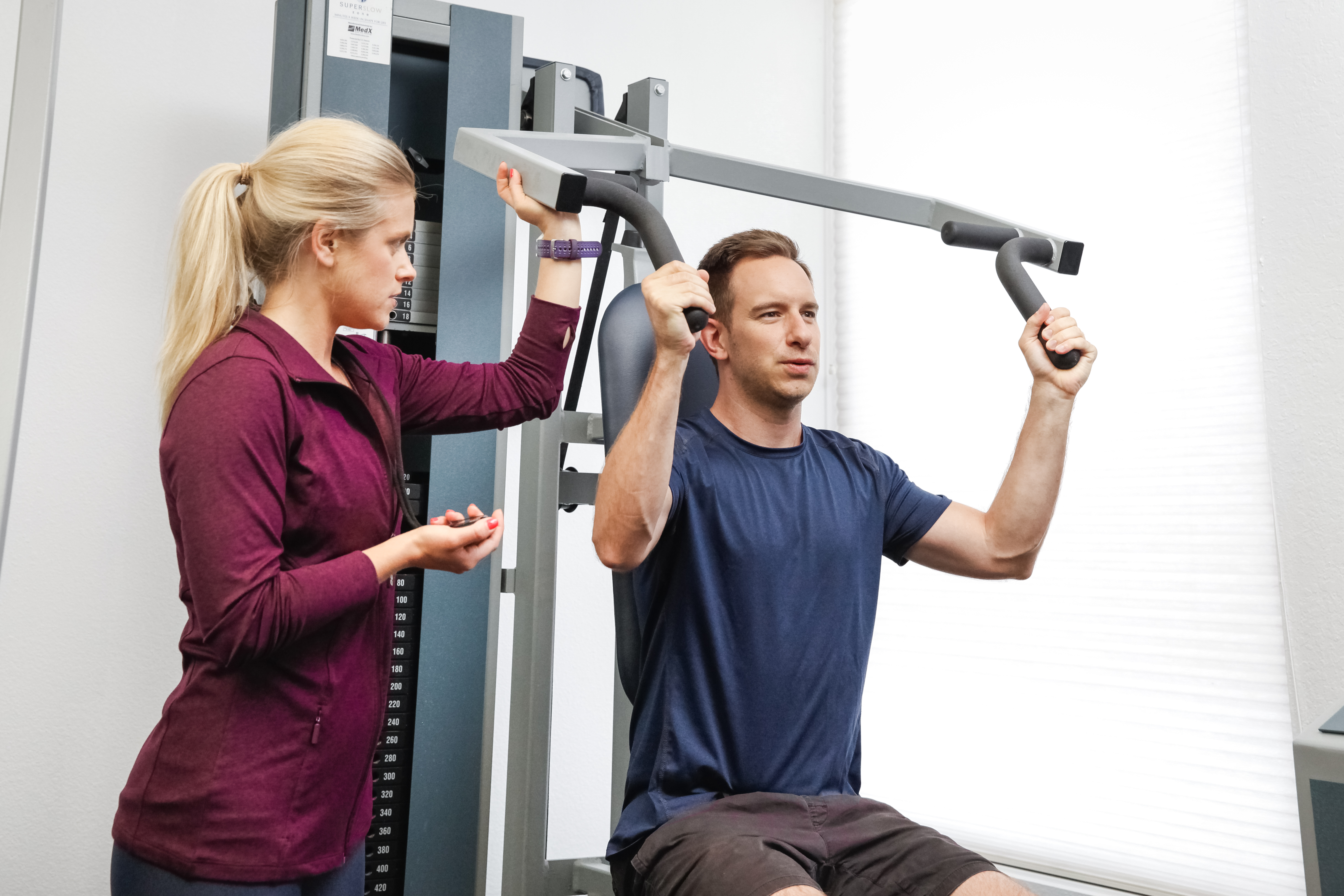
The clearest differentiator is the half hour itself. Melody repeatedly hears the same account from prospective clients: memberships purchased elsewhere, a few visits, a look around the floor, and a quiet cancellation months later. One client told her The Strength Code was the first place he could reliably get himself to, precisely because thirty demanding minutes is a commitment a working adult can hold in their head.
The second differentiator is the refusal to widen. There is one small group circuit class, capped at eight participants, run four times a week across eight machines with mobility work at the end. It exists as an entry point for people who cannot commit to one-on-one training or who prefer a group setting, and the studio still sets up each participant's equipment individually. Beyond that, the studio does one thing. Melody's phrasing on the matter is unusually clear for an owner: they are not going to do everything for everybody.
Growth has followed anyway. Melody described a sharp acceleration over the last three years, after a pandemic closure during which the studio moved its one-on-one coaching online rather than pause it. She also confirmed that a franchise program is being prepared, with a launch targeted for the fall, and mentioned an interest in eventually seeing studios in the Westchester area of New York, where she has family. The ambition is notable mainly for what it preserves: the same method, the same session length, the same supervision.
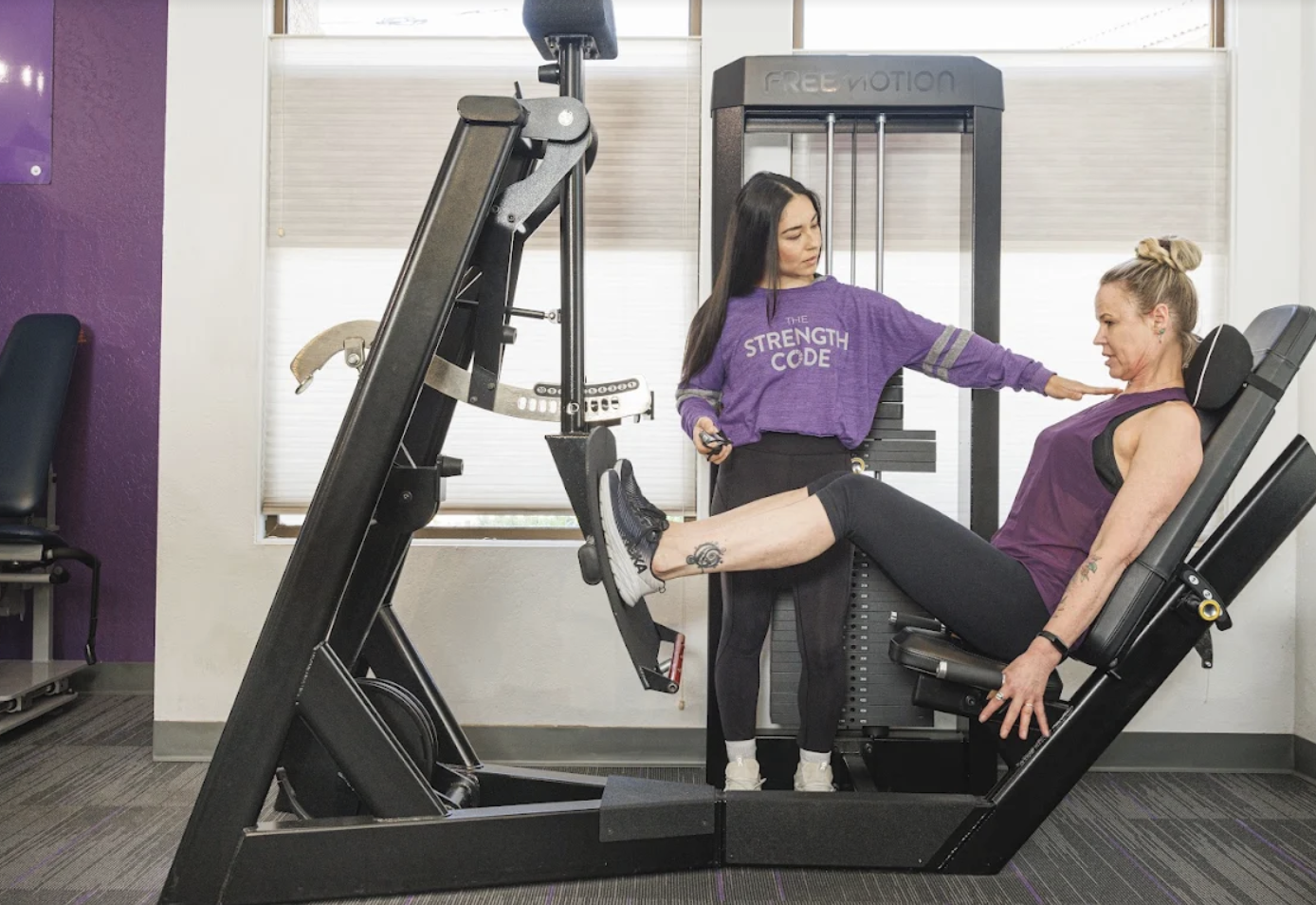
- The Strength Code is a boutique strength training studio in Toluca Lake, Los Angeles, operating by appointment under owner Sheila Melody since 2012.
- The method is slow-motion high intensity resistance training, delivered one on one in thirty-minute sessions on supported resistance equipment.
- Progress is governed by measurement. Time to temporary muscle failure is recorded at every station, and load increases can be as small as two pounds.
- The client base runs from 25 to 80 and concentrates between 35 and 65, with roughly 200 clients and about 1,100 sessions a month according to Melody.
- Access is deliberately narrow: one-on-one appointments, a small group circuit class capped at eight, and an introduction that begins with consultation and body composition testing.
The most persuasive evidence in Melody's account is not a physique. It is a woman catching herself on a banister, a client volunteering to lift a chair at a wedding, a retiree returning to the garden, and a first hundred-pound chest press by someone who had never expected the number to be hers.
Those outcomes sit downstream of a deliberately unremarkable routine: thirty minutes, once or twice a week for most clients, one trainer, a controlled tempo, and a record that decides when the weight moves. The Strength Code's claim to local authority is that it has run that routine for well over a decade without diluting it, and that its clients keep booking the same appointment years later.
Melody's recommendation for a new client is unusually modest. She does not ask readers to evaluate the studio from a video, because the work looks undemanding from the outside and only registers once a person is in the seat under load.
The studio's introductory path is two sessions, covering a consultation, a body composition test with a full report, and two Strength Code workouts built for the individual. Readers who prefer to see the room first can book a short studio tour through the official website and schedule the introduction afterward.
Explore The Strength Code
Sheila Melody trained in the slow-motion resistance method for years as a client before taking responsibility for the Toluca Lake studio in 2012. Her authority in this feature comes from that sequence and from the operating detail it produced: certification in the method alongside national personal training credentials, a trainer team that has largely stayed in place, a client roster that renews year after year, and a studio built to deliver one thing precisely rather than many things loosely.
Reporting for this authority spotlight rests on a recorded editorial interview with Sheila Melody, business context supplied by The Strength Code, the studio's official website, and image and logo assets provided for publication. The editorial review concentrated on the slow-motion resistance method, session structure, load progression, trainer supervision, the introductory assessment process, and the studio's standing in the Toluca Lake and Burbank market.
Coverage here is editorial. It is not medical, rehabilitation, nutrition, or individualized training advice, and readers should speak with a qualified professional before starting or changing a training program. Descriptions of method, equipment, session length, client range, and access options follow the interview record and publicly available studio information. No medical claims, guaranteed outcomes, fabricated credentials, unsupported testimonials, or unsupported transformation promises are made.


Write A Comment