


Holland Fitness and Performance: The Assessment-First System Behind Speed, Strength, and Athlete Development
Location: San Ramon, California
Founder / Coach: Coach Robert Holland
Training Lead / Interview Source: Coach Robert Holland
Business Type: Fitness and performance training gym
Training Focus: Speed for Your Sport, athlete development, sprint mechanics, change of direction, jumping and landing, agility, plyometrics, strength and conditioning, personal coaching, fitness programming, assessment-based plans, and disciplined accountability.
M&AView Contents
A structured guide to the training methods, coaching standards, progression system, client experience, and evidence examined in this Authority Spotlight.
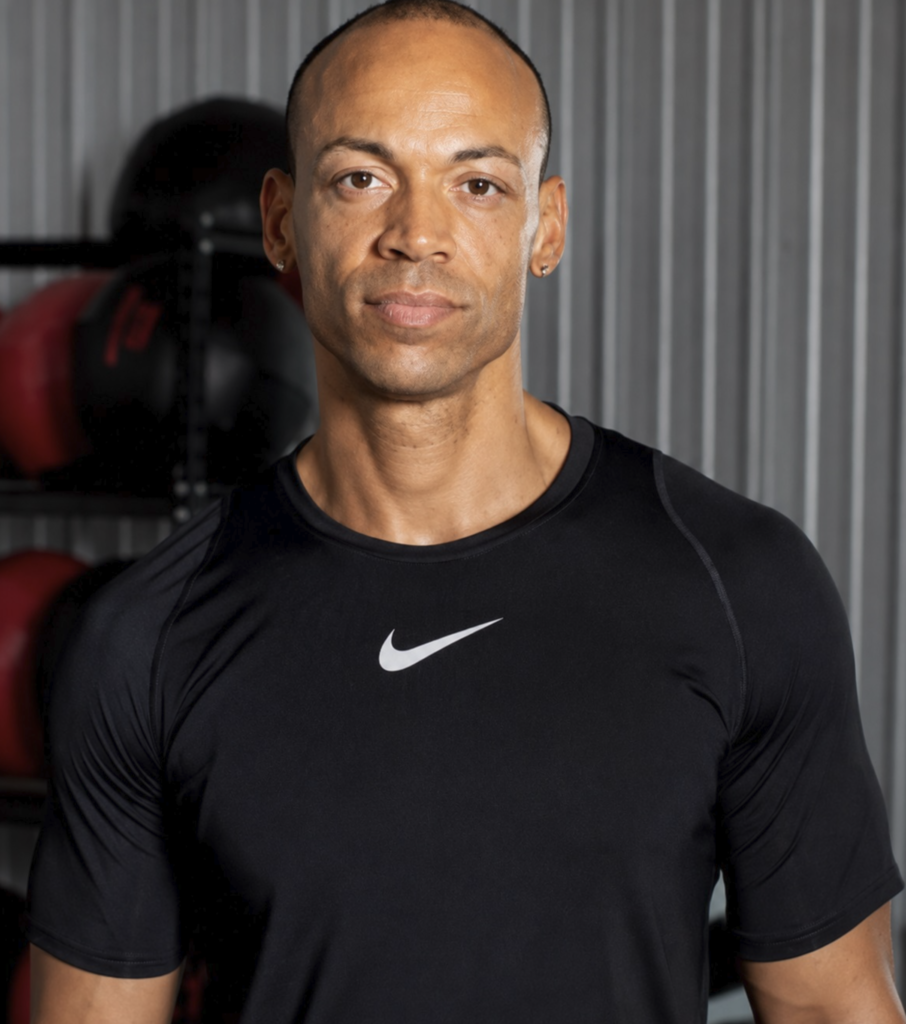
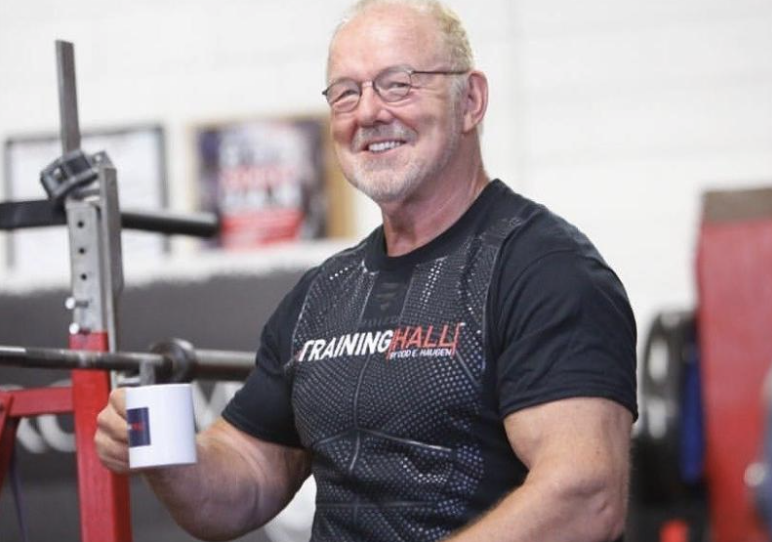
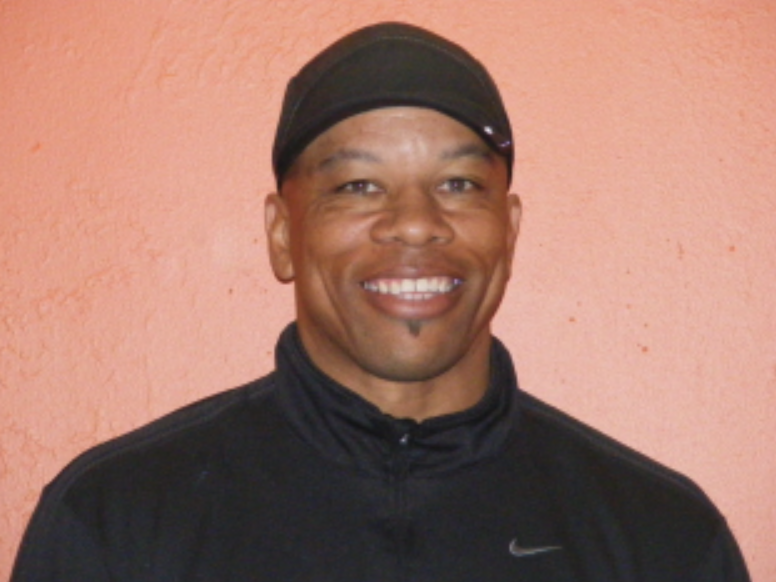
Coach Robert Holland leads Holland Fitness and Performance with the authority of someone who has lived on both sides of performance: as an athlete, as a coach, and as a builder of training systems. His San Ramon facility is not framed as a place for casual exercise alone. It is built around movement, evaluation, skill, strength, conditioning, discipline, and the long view of athletic development.
The central idea is clear. Before a client can move toward a goal, Holland wants to understand where that client is starting. That is why the first step is not simply joining a class. It is a full physiological assessment. In Holland’s language, the assessment functions like the starting point in a map: once the present location is known, the route can be built.
- Why Holland begins with a full physiological assessment before building the plan.
- How Speed for Your Sport centers sprinting, change of direction, jumping, landing, and sport-specific movement.
- Why Holland describes his training philosophy as a periodized, consistent plan.
- How strength, conditioning, nutrition awareness, sleep, preparation, and accountability fit into the larger system.
- Why Holland’s local authority comes from both personal experience and years of developing athletes across ages and levels.
Holland’s training method begins with specificity. He is known for Speed for Your Sport, a program name that explains the operating idea without ornament. Speed is not treated as an isolated trait. It is connected to how an athlete runs, changes direction, jumps, lands, produces power, controls the body, prepares mentally, and applies strength to the sport they actually play.
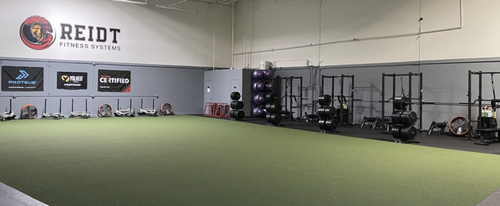
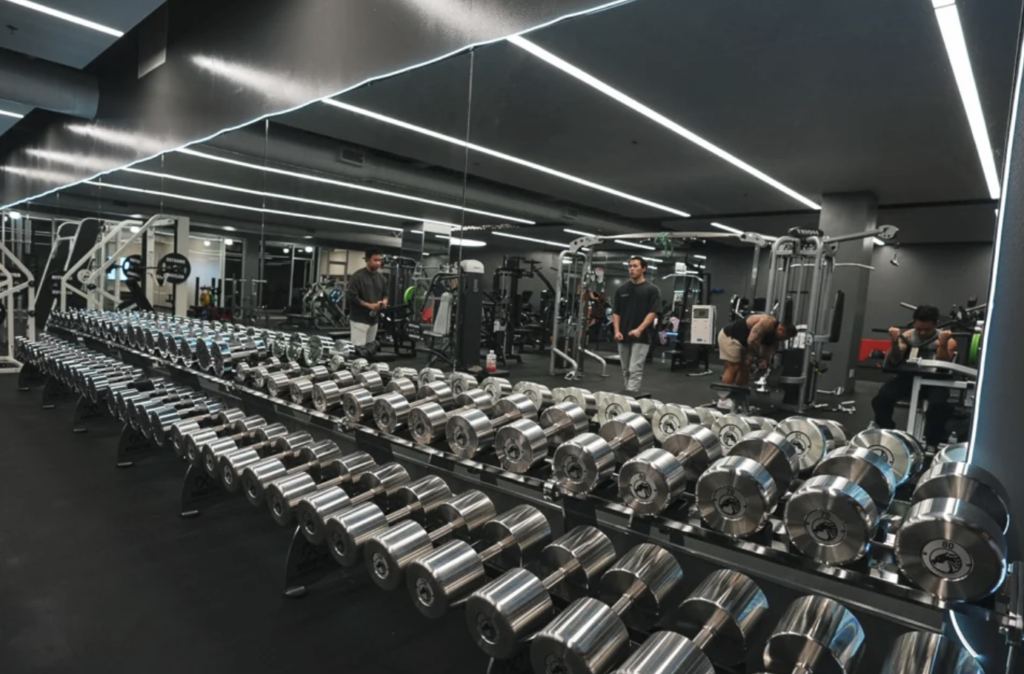
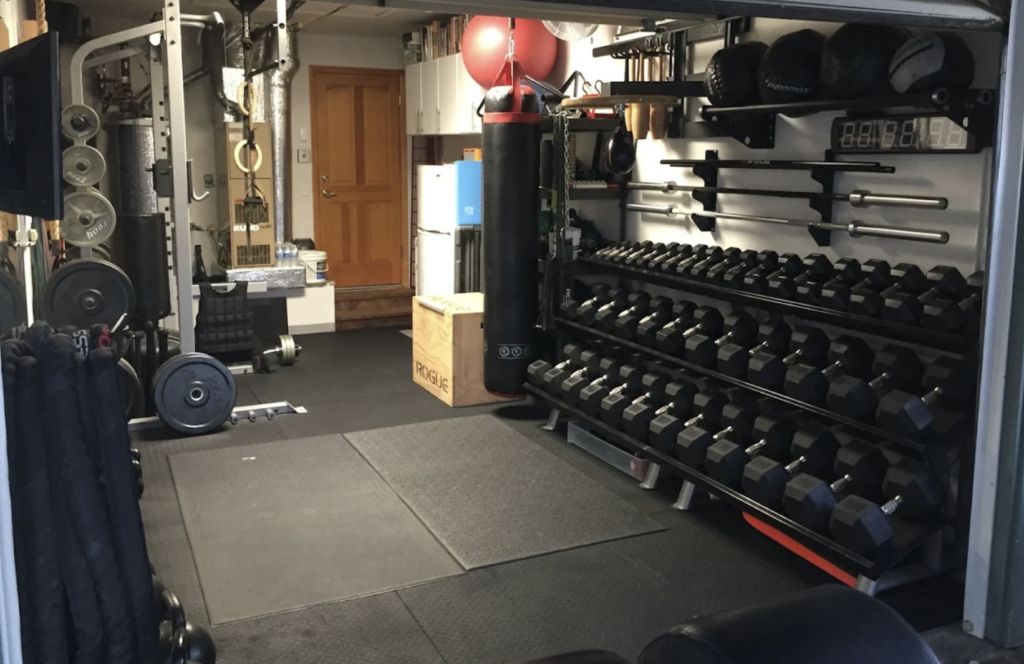
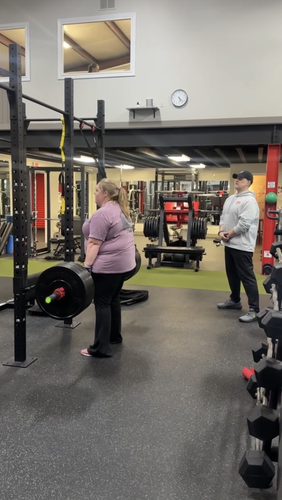
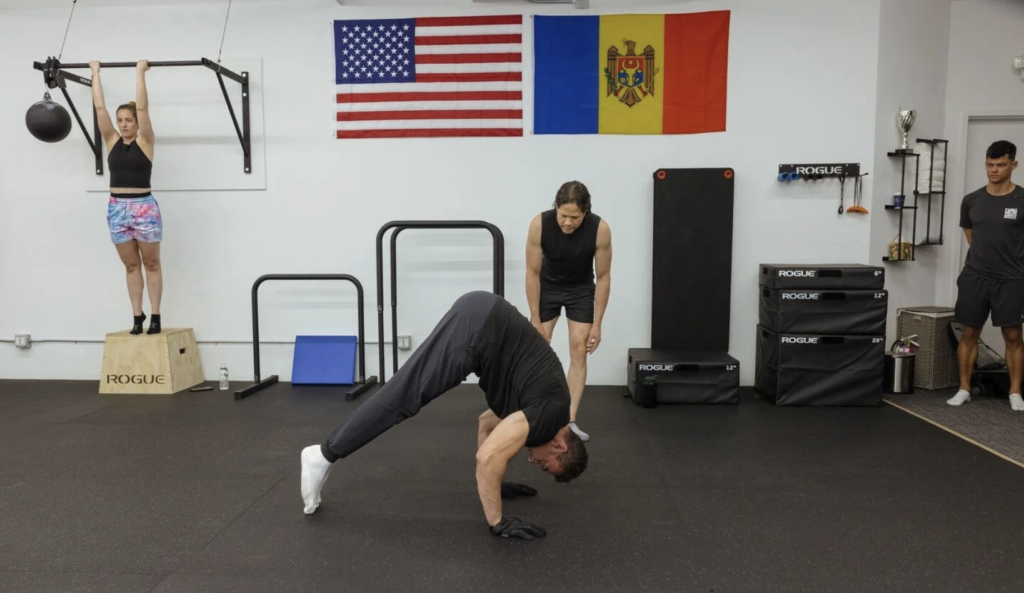
The physical environment supports that system. Holland described a gym of roughly 3,500 square feet, with turf for sprinting, agility, and plyometrics; a speed room with treadmills and sprint work; and a back room used for plyometric and jumping work. The design matters because it gives the method a physical language: run, cut, accelerate, decelerate, jump, land, strengthen, repeat.
The larger philosophy is not complicated, but it is exacting. Holland described it as a periodized, consistent plan. Make the plan. Work the plan. Adjust the variables. Create adaptation. Keep the athlete accountable. The method is less about novelty than it is about disciplined variation inside a structure that still points toward a measurable goal.
When asked to explain his training philosophy, Holland did not begin with a slogan. He began with structure. “Periodized, consistent plan,” he said. That answer reveals much of the Holland Fitness and Performance standard. He sees progress as something that comes from planned exposure, disciplined repetition, and the body’s ability to adapt to the environment placed in front of it.
In his view, resistance, sprint work, movement drills, and conditioning are not simply tasks. They are inputs. The body responds to what is consistently demanded of it. That is why the plan matters. Training must be organized enough to create direction, varied enough to create adaptation, and personal enough to reflect the athlete’s body, sport, schedule, and goal.
That is also why Holland does not treat the hour in the gym as the whole story. Preparation matters. Sleep matters. Food patterns matter. Hydration matters. The client’s mental state matters. His coaching reaches beyond the workout because performance is not created only when the session starts. It is shaped by the habits the athlete brings into the room.
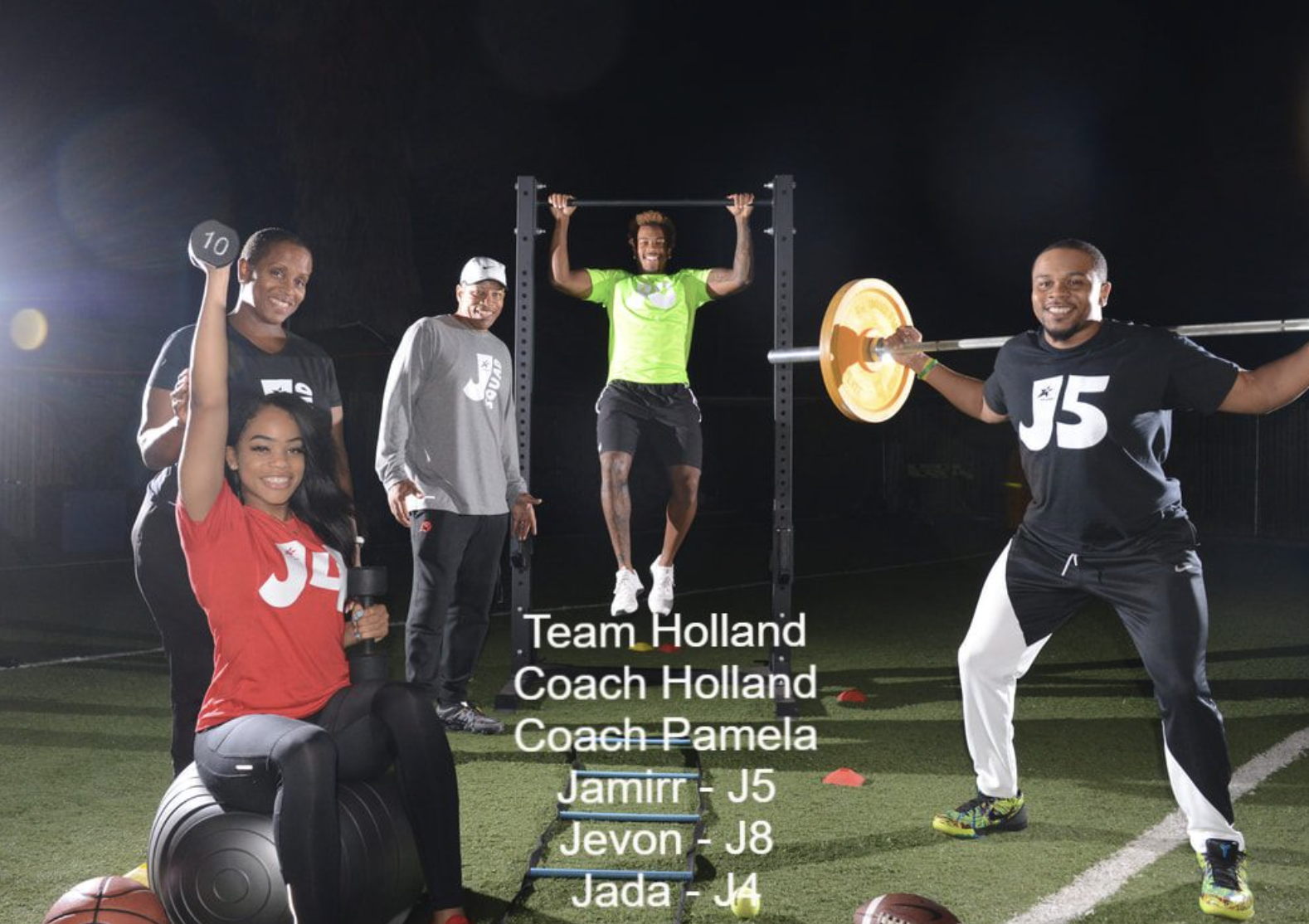
Holland’s workouts are built around the demands of performance. For youth and sport athletes, the training may include sprint mechanics, lateral movement, change of direction, high knees, jumping, landing, agility, plyometrics, and strength work. For fitness clients, the training may shift toward subtle, sustainable lifestyle changes, strength, conditioning, and disciplined consistency.
What connects the two sides is Holland’s insistence on order. He does not present training as a random collection of hard exercises. A movement must have a reason. A drill must connect to a larger athletic or fitness outcome. A client who says they want success must also accept the responsibilities that support that success.
The gym’s phrase “be an athlete” captures the performance side of the business. The phrase “life is a sport, train for it” captures the fitness side. Together, they explain why Holland Fitness and Performance is not only about training for games. It is about preparing the body and mind for whatever arena the client is trying to enter.
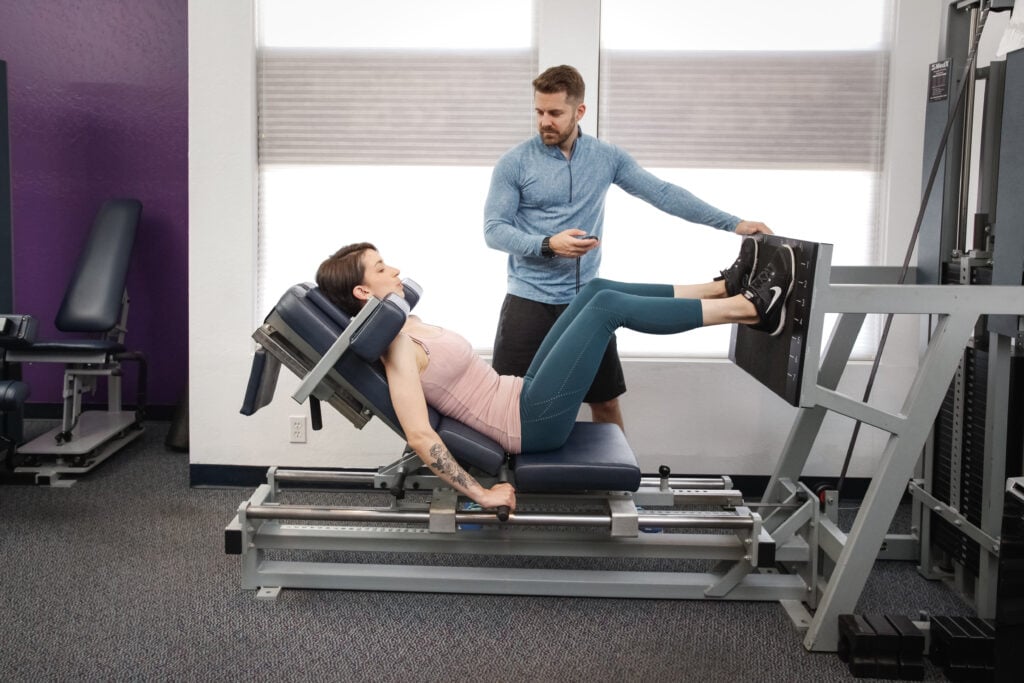
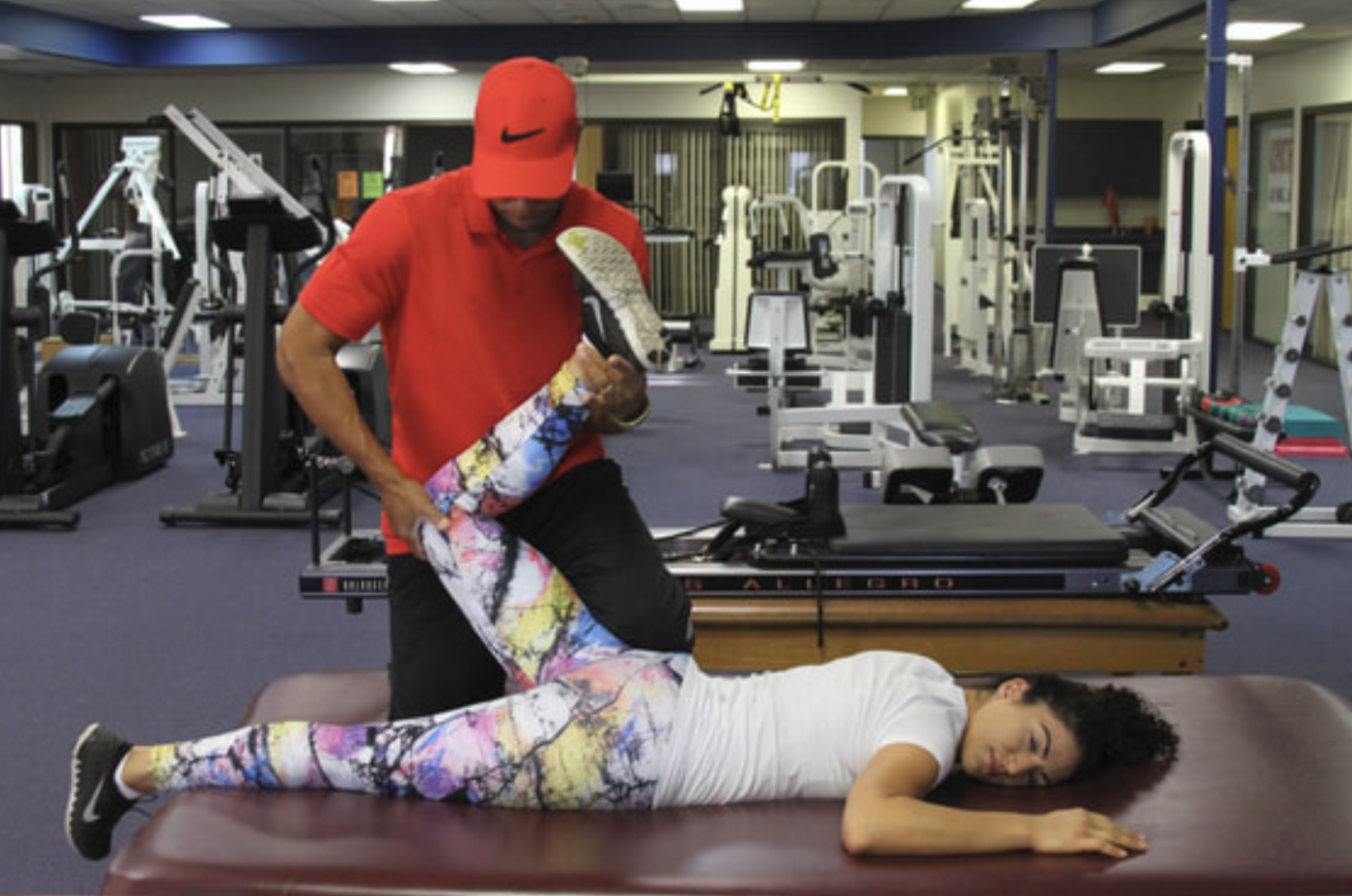
The most important operational detail in Holland’s method may be the assessment. He described a first-step process that can take roughly an hour to an hour and a half. It looks at height, weight, posture, flexibility, mobility, lower-body strength, imbalances, movement patterns, upper-body strength, core strength, cardio, explosiveness, power production, running speed, and movement quality.
That assessment is not only physical. It is also personal. Holland wants to know where the athlete is in the journey, what the athlete wants, and how much time the athlete can realistically commit to the project. From there, he can build a plan that reflects both ambition and reality.
This is where Holland’s Google Maps analogy becomes useful. A destination alone is not enough. The route depends on the starting point. In training terms, the assessment gives the coach the starting address. The program becomes the route.
Holland described himself as “the speed guy,” but the work is broader than speed alone. His athletes need to run better, move better, jump better, land better, and understand how strength and conditioning transfer into sport. That transfer is the reason the program is called Speed for Your Sport rather than speed in the abstract.
He also makes a distinction between athlete types. A youth athlete, a high school athlete, a college athlete, and a professional athlete do not all begin from the same place. Their bodies, schedules, expectations, pressures, and mentalities differ. Holland’s authority comes partly from recognizing those differences instead of pretending one template can serve everyone equally.
For fitness clients, his transformation language becomes more lifestyle-based. He speaks about subtle, sustainable changes, accountability, nutrition awareness, discipline, and the mental training required to do what the person said they wanted to do. In that sense, performance and fitness share the same foundation: consistent behavior organized around a clear goal.
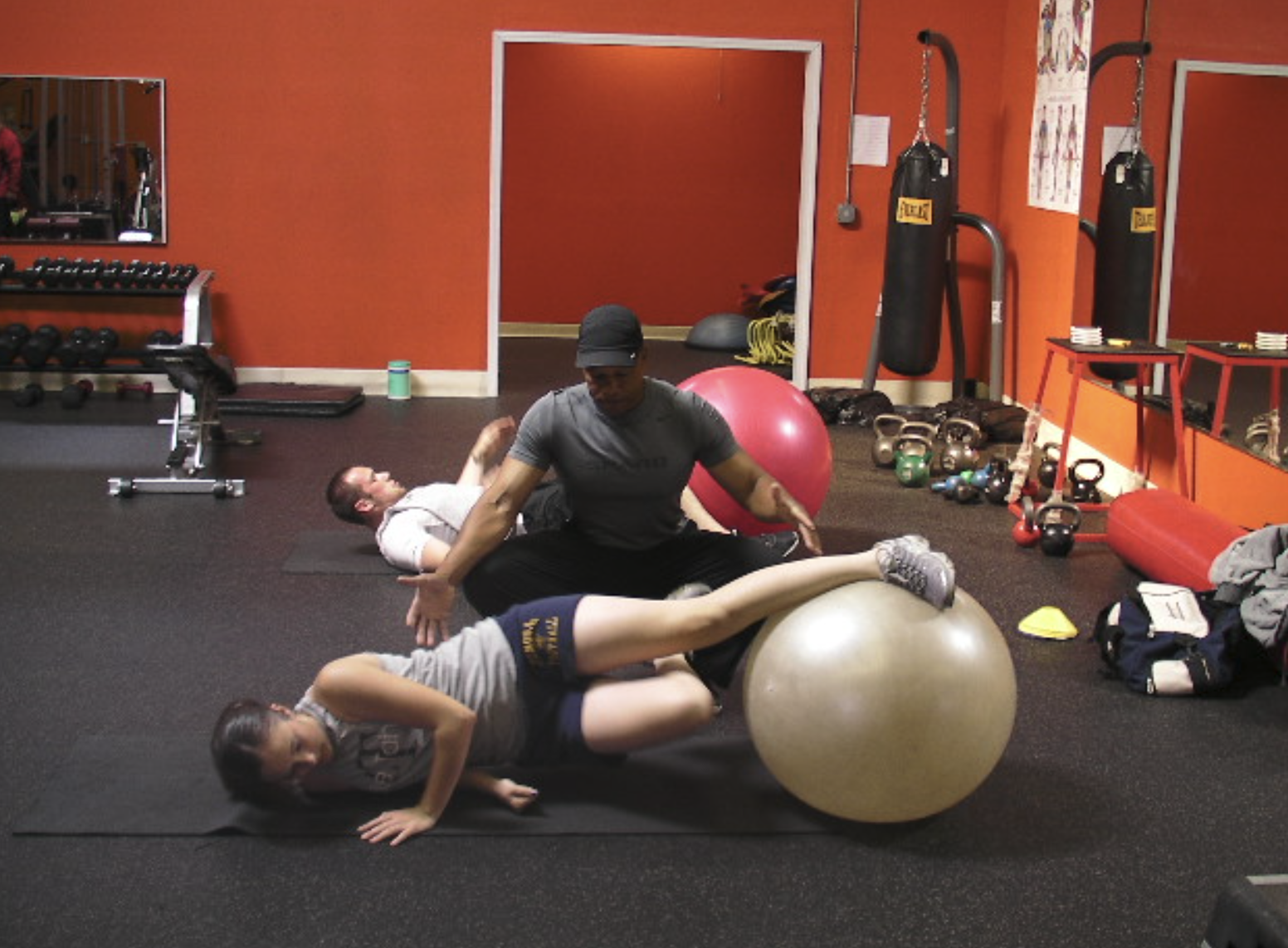
Holland wants clients to feel, almost immediately, that the facility was designed for them. That does not mean the environment is soft. It means the athlete is taken seriously. He wants to know the person physiologically and psychologically, then create a space of growth, achievement, pressure, and success.
This is especially important in youth development. Holland described young athletes who arrive unable to perform basic athletic movement skills: lateral shuffle, karaoke, high knees, jumping, and landing. For him, those are not minor details. They are the movement vocabulary from which sports are built.
The pride, for Holland, appears in both the large and small wins. A scholarship can matter. A faster sprint can matter. A young athlete learning how to jump and land properly can matter just as much. That range of satisfaction reveals a coach who sees development as a journey rather than a single headline result.
Quality control at Holland Fitness and Performance begins with the premise that a client cannot simply want an outcome. They must be willing to prepare for it. Holland repeatedly returns to the idea that the client has a responsibility in the process. If someone comes twice a week, the plan and expectations must match that commitment. If someone comes three times a week, the standard changes accordingly.
That is not a negative judgment. It is a coaching reality. Athletes have team practices, school demands, travel schedules, games, and other commitments. Adults have work, family, sleep, stress, and nutrition patterns. Holland’s role is to counsel the client through those realities and determine what must be done to support the goal.
His phrase “assume the responsibility for your own greatness” gives that standard its sharpest form. The coach can build the route, teach the skill, provide the plan, and hold the athlete accountable. But the client must still walk the route.
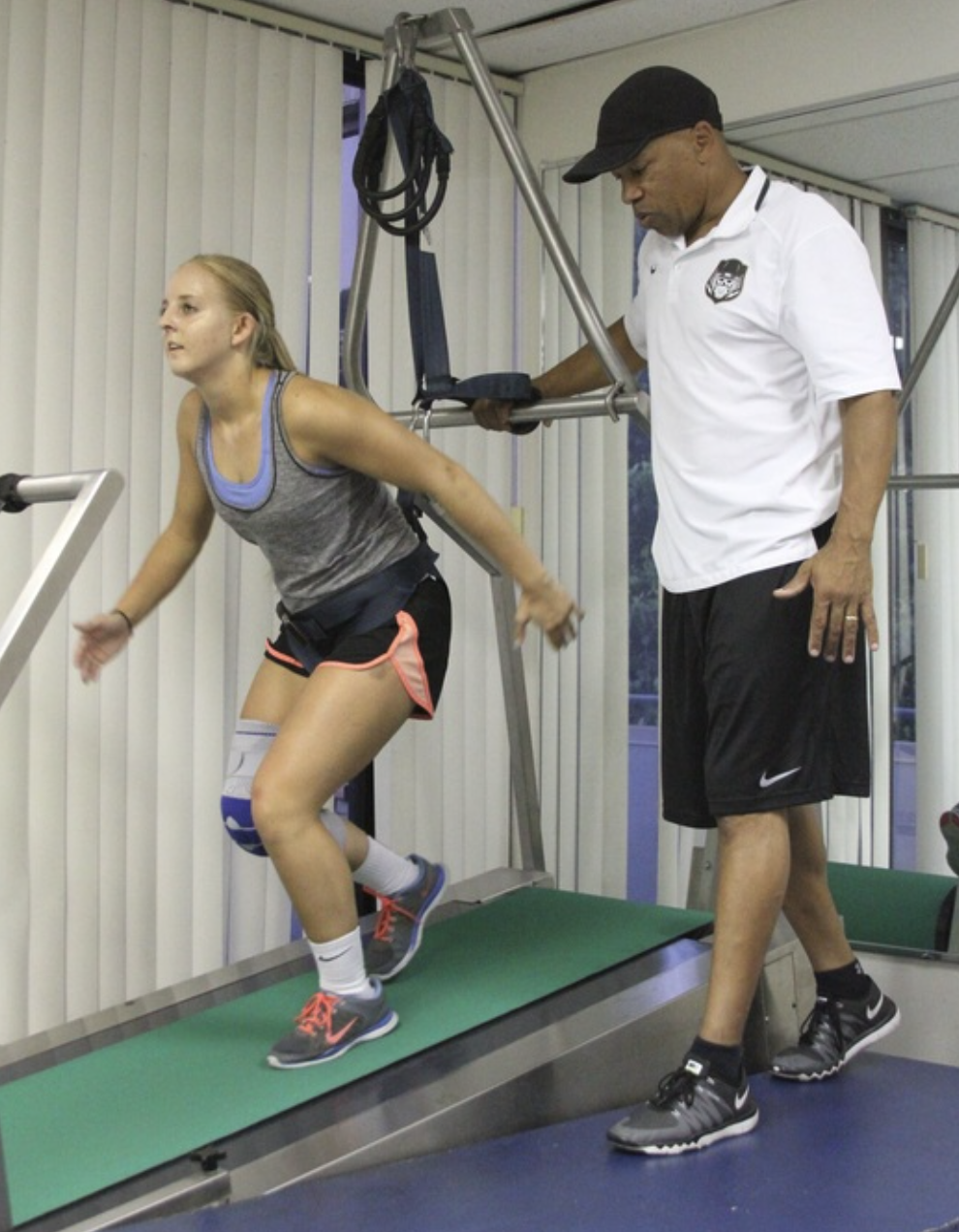
Holland Fitness and Performance stands apart because it does not separate the athlete from the plan. The business is not positioned around access to equipment alone. It is positioned around expertise: knowing how to evaluate movement, build speed, coach mechanics, identify what is missing, and create a program that reflects the person’s actual path.
Holland’s background also gives the business a particular authority. He spoke about professional sports, strength and conditioning, programming for many different sports, corporate fitness management, teaching trainers, and building the business from a garage into a local performance facility. The authority is not only in what he knows. It is in the fact that he has repeatedly applied it across different environments.
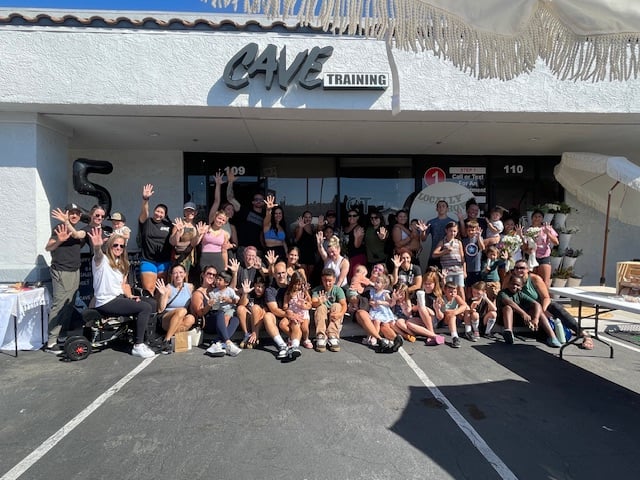
The local position is equally clear. Holland described serving roughly 150 to 200 clients depending on season and sport demand, and he connected much of the gym’s reputation to doing good work over time. In a field where performance claims can become exaggerated quickly, Holland’s strongest position is quieter: he believes the work should translate.
Holland Fitness and Performance matters locally because it serves a clear need: athletes and fitness clients who do not simply want to exercise, but want to improve with structure. Parents looking for athlete development, adults looking for sustainable fitness, and competitors looking for speed and movement skill all need more than motivation. They need a system.
The gym also reflects Holland’s personal meaning for the work. He described the business as an expression of service and a giveback to the community. In his telling, coaching is not only a profession. It is part of a larger testimony: helping people become stronger, healthier, happier, and better prepared for what they want to pursue.
For readers, the practical takeaway is direct. Holland’s gym is for people who want to get better at some aspect of fitness or performance and are willing to be coached toward that outcome. It is not magic. It is not a shortcut. It is assessment, planning, work, accountability, and the discipline to do the right things consistently.
- Holland Fitness and Performance is a fitness and performance training gym in San Ramon, California.
- Coach Robert Holland is known for Speed for Your Sport, personal coaching, strength and conditioning, and fitness programming.
- The method begins with a physiological assessment before the custom plan is built.
- The gym’s training environment supports sprinting, agility, plyometrics, jumping, landing, strength, and conditioning.
- The core standard is disciplined consistency: make the plan, work the plan, and assume responsibility for the goal.
For a new athlete or client, Holland’s recommended first step is a full physiological assessment. The assessment reviews movement, posture, flexibility, mobility, strength, imbalances, core strength, cardio, explosiveness, power production, running speed, movement quality, goals, and commitment level.
From there, the plan is built around who the person is, what they want, what they can commit to, and what they need to do. Holland also described personal training, semi-private training, group training, Speed for Your Sport, sports training, and longer-term personal training options.
Coach Robert Holland brings a performance background, coaching experience, and a method-driven approach to athlete development. His San Ramon facility is built around speed, strength, skill, assessment, accountability, and custom planning for athletes and fitness clients who want structured improvement.
The article highlights the training logic, workout structure, coaching standards, athlete development model, assessment process, and practical performance philosophy described by Coach Robert Holland during his Fitness Living Magazine™ interview.
This Muscle & Authority Magazine™ feature was editorially prepared from a recorded Fitness Living Magazine™ interview with Coach Robert Holland, the business information supplied for Holland Fitness and Performance, and the provided website and image assets.
The article avoids invented certifications, exaggerated outcomes, unverified medical claims, and unsupported promises. Training details, pricing references, assessment details, client range, and program descriptions are based on the interview material and provided business source information.
- Recorded Fitness Living Magazine™ interview with Coach Robert Holland.
- Business information provided for Holland Fitness and Performance.
- Official website: https://www.speed4yoursport.com/
- Provided image and logo assets.