
• Latest

    Latest Stories

    New Reporting Across Muscle & Authority

    View Latest →
    The Yard Strength Training San Francisco, California What If Better Strength Training Requires Less Variety and More Consistency? The Method at The Yard Strength Training Mark D.R. Ford / Sep 2
    Tru Fit Bootcamp Van Nuys, California When Your Workout Stops Challenging You, What Comes Next? The Three-Tier Model at TruFit Bootcamp Mark D.R. Ford / Aug 24
    The Top Tyr Training coaching team beneath the studio signage in Torrance Top Tyr Training in Torrance, California: The One-Day-a-Week Strength Method Built on Corrective Exercise Mark D.R. Ford / Aug 23
    Westside Fitboxing in Santa Cruz, California: Heavy-Bag Fitboxing, Core Power Strength, and Coaching Built on Form Mark D.R. Ford / Aug 14
  • Desks

    Featured Across the Desks

    Methods, Strength, Coaching & Evidence

    Explore the Magazine →
    Age-Less Strength: Traditional Strength Training, Powerlifting Coaching, and a Gym Built for Every Age Mark D.R. Ford / Aug 12
    Small Box Fitness in Santa Cruz County: Kettlebell Instruction, Powerlifting, and Coaching Built to Be Learned Mark D.R. Ford / Aug 4
    The Strength Code Method: Slow-Motion Strength Training in 30 Minutes Mark D.R. Ford / Jul 22
    Creed Strength & Fitness: Chico’s Semi-Private Strength, Mobility, and Corrective Exercise Method Mark D.R. Ford / Jul 18
    36 Articles

    Authority Spotlights

    Profiles of coaches, trainers, and facilities distinguished by a clear, defensible training method and a record of meaningful client results.
    35 Articles

    Training Systems

    Programming frameworks, training models, and repeatable systems designed to produce reliable performance outcomes.
    31 Articles

    Strength & Muscle

    Strength development, hypertrophy, resistance methods, and the coaching principles behind durable physical capacity.
    13 Articles

    Corrective Exercise

    Assessment-led movement, corrective strategies, rehabilitation-informed training, and intelligent progression.
    34 Articles

    Coaching Intelligence

    The decisions, communication, observation, and professional judgment that separate effective coaching from generic instruction.
    32 Articles

    Measurement & Results

    Testing, progress tracking, outcome measurement, client evidence, and the standards used to determine what is actually working.
  • Authority Spotlights

    Authority Spotlights

    People, Methods & Standards

    View All Authority Spotlights →
    CrossFit Kindred members on the training floor in East San Jose California CrossFit Kindred: Scaled CrossFit Coaching and Measured Strength in East San Jose Mark D.R. Ford / Jul 2
    One Step Fitness private training environment in Irvine California One Step Fitness: The Competitive Standard Behind Irvine’s Private, Form-First Training Floor Mark D.R. Ford / Jul 1
    Pro Fit Training Gym: The Seattle South Lake Union Training Method Delivering Real Results in 30 Minutes Mark D.R. Ford / Jun 25
    Sozo Family Fitness strength training and coaching in Chapin South Carolina Sozo Family Fitness: Inside the Training Methods Driving Real Results Mark D.R. Ford / Jun 21
  • Training Systems

    Training Systems

    Methods, Models & Practice

    View All Training Systems →
    Clients working separate movements inside a Capra Bodyweight Training studio beneath American and Moldovan flags Four Clients, Four Programs, One Room: Inside Capra Bodyweight Training’s Calisthenics Standard Mark D.R. Ford / Jun 18
    Reidt Fitness Systems training facility in Costa Mesa, California Reidt Fitness Systems: Costa Mesa’s Baseball Strength and Athlete Development System Mark D.R. Ford / Jun 4
    Holland Fitness and Performance training environment in San Ramon, California Holland Fitness and Performance: The Assessment-First System Behind Speed, Strength, and Athlete Development Mark D.R. Ford / Jun 3
    CORE Santa Barbara Pilates studio and reformer training CORE Santa Barbara Pilates Method: Programming Built for the Client, Not a Format Mark D.R. Ford / Jun 16
  • Strength & Muscle

    Strength & Muscle

    Load, Adaptation & Capacity

    View All Strength & Muscle →
    Odd Haugen of The Training Hall strength training gym The Training Hall by Odd Haugen: Squat, Deadlift, Press, and the Standard Behind Serious Training Mark D.R. Ford / Apr 18
    Wine Country CrossFit group class practicing barbell movement in Napa California Napa CrossFit Gym Built for Strength, Work Capacity, and Longevity Mark D.R. Ford / Jun 5
    Forge CHS gym environment in Charleston South Carolina Forge CHS: Strength, Structure, and the Coaching Standard Behind Better Training Mark D.R. Ford / Apr 18
    Cave Training strength and conditioning environment in Santa Clarita California Cave Training: Inside the Strength, Conditioning, and Community Standard Built for Real Life Mark D.R. Ford / Jun 17
  • Corrective Exercise

    Corrective Exercise

    Assessment, Movement & Progression

    View All Corrective Exercise →
    Colleen Naus performing a kettlebell split-squat in the pillarPERFORMANCE strength area in Carlsbad California Inside pillarPERFORMANCE: The Carlsbad Studio Where Pilates and Functional Strength Are Taught as One Discipline Mark D.R. Ford / Apr 18
    Misfit Strength & Circus training environment in Seattle, Washington Inside Misfit Strength & Circus: The Seattle Coaching Model Built Around Mobility, Stability, and Strength Mark D.R. Ford / Apr 18
    ThaBox: Movement-First Strength Training and Results-Driven Coaching in Latta, SC Mark D.R. Ford / May 27
    A-Team Health and Fitness: Inside the Training Methods Driving Real Results Mark D.R. Ford / May 20
  • Coaching Intelligence

    Coaching Intelligence

    Observation, Judgment & Communication

    View All Coaching Intelligence →
    Spite Fitness: How Strength, Accountability, and Belonging Drive Sustainable Results Mark D.R. Ford / Jun 14
    Inside 4Life Fitness Studio: A Greer Gym Focused on Strength, Nutrition, and Personal Support Mark D.R. Ford / May 30
    Love Life Fitness women-only training environment in Fort Mill Love Life Fitness: Inside the Training Methods Driving Real Results Mark D.R. Ford / May 25
    How IBFit Builds Strength, Accountability, and Sustainable Fitness Habits Mark D.R. Ford / May 22
  • Measurement & Results

    Measurement & Results

    Testing, Evidence & Outcomes

    View All Measurement & Results →
    G Fitness Greer: Functional Training, Personal Coaching & Real Results Mark D.R. Ford / May 18
    Emosa Pilates studio environment Emosa Pilates in Santa Ana: Inside the Mat-Based Approach to Client Progress Mark D.R. Ford / Apr 18
    Image supplied by Kinesia Pilates for editorial use Kinesia Pilates in Pioneer Square, Seattle: The Romana’s Pilates Method Built on Resilience Mark D.R. Ford / Apr 18
    A Movement Warehouse coach cueing a member through a barbell back squat outdoors in Pacific Beach Movement Warehouse in Pacific Beach, San Diego: Outdoor Group Strength Training Built on Form Before Load Mark D.R. Ford / Jun 15
Muscle & Authority Magazine™
  • Get Featured
Font ResizerAa
Muscle & Authority Magazine™Muscle & Authority Magazine™
Search
  • Editorial Desks
  • Authority Spotlights
  • Training Systems
  • Strength & Muscle
  • Corrective Exercise
  • Coaching Intelligence
  • Measurement & Results
  • Publication
  • About
  • Get Featured
  • Editorial Standards
Follow US
Authority Spotlights

What If Better Strength Training Requires Less Variety and More Consistency? The Method at The Yard Strength Training

Last updated: September 3, 2026 4:53 AM
Mark D.R. Ford
Mark D.R. Ford
ByMark D.R. Ford
Editorial writer for Muscle & Authority Magazine™.
Follow:
Share
SHARE
Authority Spotlight
Muscle & Authority Magazine™
Training Methods / Coaching Standards / Local Fitness Leadership
Premium Editorial Feature
By Mark D.R. Ford
Editorially prepared from a recorded interview with Joe Cicero
The Authority Standard

Predictability Is Part of the Training Method

The Yard Strength Training has built a Bay Area model around reserved equipment, barbell-based strength work, independent personal trainers, and an operating philosophy that treats consistency as something the environment should support rather than obstruct.
Bay Area   /   Reservation-Based Strength Training   /   Barbell Programming   /   Independent Personal Trainers
RESERVE
Then Progress
The Yard’s operating thesis joins two ideas: remove uncertainty around equipment access, then make the training itself straightforward enough to repeat, measure, and progressively improve.
Editor’s Authority Note
The Yard Strength Training is worth examining because its operating model addresses a practical weakness in conventional strength training: a well-written program loses value when the lifter cannot reliably access the equipment the program requires. Cicero’s answer is structural rather than motivational—reserve the rack, control capacity, simplify the movement framework, and let progression happen over time.
Training Dossier
Business: The Yard Strength Training
Location: Bay Area
Owner / Interview Source: Joe Cicero
Business Type: Reservation-based strength training business
Training Focus: Solo strength sessions, barbell strength training classes, personal training, and location-dependent higher-intensity classes
Primary Users: Members training independently, independent personal trainers and their clients, and people using small-group strength training
Editorial Trust Note
This feature is grounded in a recorded interview with The Yard Strength Training owner Joe Cicero and business-provided visual assets. The official business URL was supplied during the interview and is used below as the reader CTA; it was not used here as an independently reviewed factual source. Training descriptions, operating details, first-step guidance, and attributed observations come from Cicero’s interview.
Business Snapshot
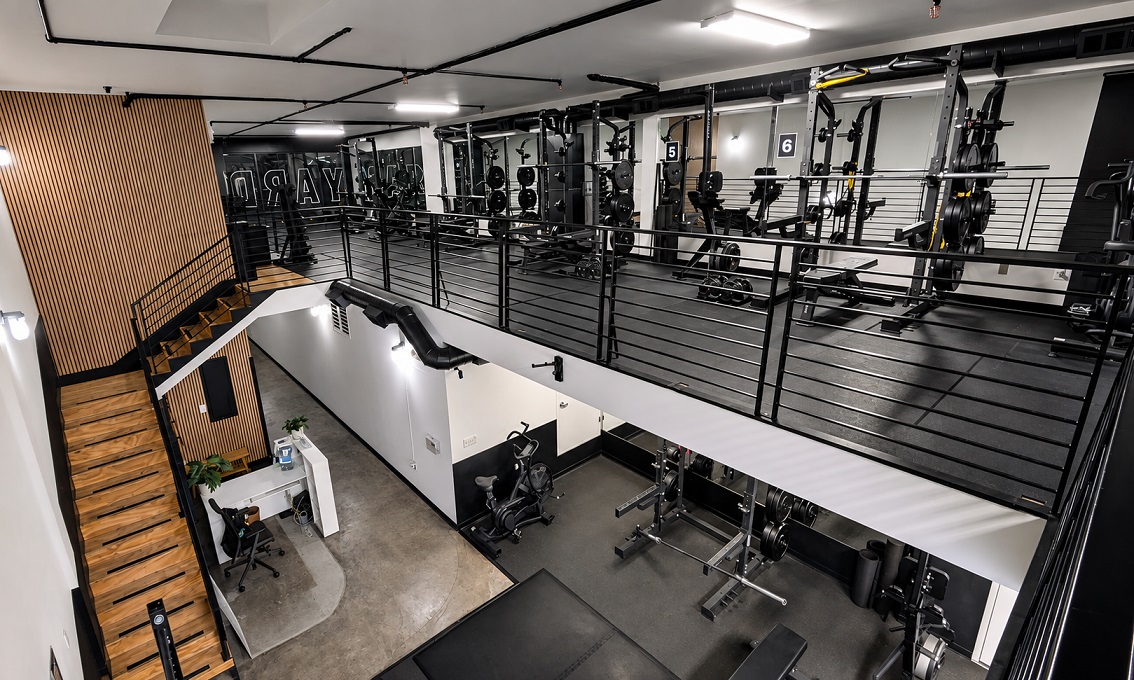
Business-provided image for The Yard Strength Training editorial spotlight
Business Snapshot: Visual asset supplied by The Yard Strength Training for this Muscle & Authority Magazine™ authority spotlight.
M&A View Contents
M&A Authority Spotlight
The Authority Index
Method File · 10 Key Sections

Inside the Method

A structured guide to the reserved training-pod model, programming standards, progressive-overload system, trainer framework, member experience, and evidence examined in this Authority Spotlight.

  1. 01The Systems Behind The Yard
  2. 02The Operating Idea and Model
  3. 03Simplicity as a Training Standard
  4. 04How the Barbell Strength Program Is Organized
  5. 05Progress Is Built Into the Decision-Making
  6. 06Measuring Change and Member Results
  7. 07A Strength-Focused Environment That Still Feels Approachable
  8. 08Who This Method Is For—and Who It May Not Fit
  9. 09Trainer Independence Is Part of the Quality Model
  10. 10What Sets The Yard Strength Training Apart
Featured Pull Quote
“I think it always comes back to the basics, doing them very well, doing them over a long period of time and, you know, really giving yourself the opportunity for progressive overload.”
Joe Cicero / Owner, The Yard Strength Training
Authority Standard
The Yard’s standard is unusually concrete: control access to the tools that matter, give lifters a repeatable strength framework, and make progression easier to execute because the environment itself is more predictable.
Editorial Assessment / Muscle & Authority Magazine™

Joe Cicero did not enter fitness through the conventional personal-trainer route. He describes his professional background as strategy and finance, preceded by years as an athlete and followed by experience as an executive at a fitness startup. He also spent years training on his own, first through football, later through CrossFit, and now as a competitive powerlifter. That combination matters because The Yard Strength Training was not conceived first as a coaching brand. It was conceived as a systems problem.

Cicero knew the frustration personally. A strength program may call for a squat, bench press, or deadlift in a particular sequence, but a crowded gym can turn a planned session into a negotiation with availability. The required rack is occupied. The bench is somewhere else. The lifter rearranges the workout because the room, not the program, decides what can happen next.

His answer became the defining operating feature of The Yard: a reservation-based strength-training model where a booked session includes a dedicated squat rack, barbell, plates, and bench for the hour, alongside shared access to the studio’s other equipment. Instead of treating equipment availability as an unavoidable inconvenience, the business makes predictability part of the product.

What You’ll Learn

The Systems Behind The Yard

  • Why The Yard reserves strength-training pods instead of relying entirely on first-come, first-served equipment access.
  • How Cicero’s programming philosophy reduces training to repeatable squat, hinge, push, and pull patterns.
  • How progressive overload appears through load, volume, form, and tempo rather than constant exercise novelty.
  • Why independent personal trainers occupy a central place in the business model.
  • How guided tours, assessments, personal training, and introductory barbell classes create different entry points for newer lifters.
Why This Feature Was Selected
Muscle & Authority Magazine™ selected this editorial angle because The Yard links training philosophy to business design. Its reserved-pod system, independent-trainer model, barbell curriculum, and emphasis on progressive overload create a coherent operating standard rather than a collection of disconnected fitness offerings.

The Operating Idea Comes Before the Workout

The Yard serves three overlapping groups: members who reserve space for their own workouts, participants in small-group classes, and independent personal trainers who reserve space to work with their clients. Cicero also describes the business as a connector; when prospective personal-training clients approach The Yard, the team can help match them with an independent trainer based on needs, fit, and availability.

The model was partly inspired by the economics of an independent barbershop. Rather than functioning only as employees of a large gym, trainers can reserve a dedicated training pod and operate their own client relationships inside the facility. Cicero believes the arrangement gives trainers greater economic control while the physical layout gives them more privacy, predictability, and consistency than trying to coach around an open commercial floor.

For self-directed members, the same architecture solves a different problem. A member who arrives with a specific strength program knows the core station for the workout has already been allocated. Cicero says capacity is capped so that even when the facility is fully utilized, the reservation model protects access to the equipment included with the session.

Standards Ledger

The Operating Details Behind the Model
Business Type
Reservation-based strength training business serving solo members, small-group participants, independent personal trainers, and trainer clients.
Access Standard
A reserved individual session includes a dedicated squat rack, barbell, plates, and bench for the hour, with shared access to additional studio equipment.
Training Philosophy
Simple, repeatable movement patterns performed well and progressed over long periods rather than constantly replaced by novelty.
Progression Logic
Progressive overload may come from adding weight or volume, improving form, or slowing tempo while maintaining demanding effort without sacrificing technique.
Trainer Model
Independent trainers reserve dedicated space, bring their own clients, and may also receive prospective-client introductions through The Yard.
Beginner Support
Small-group barbell classes, personal training, coaching support, scaling options, spotting, guided tours, and movement assessments provide more supported starting points.
Inside the Training Environment
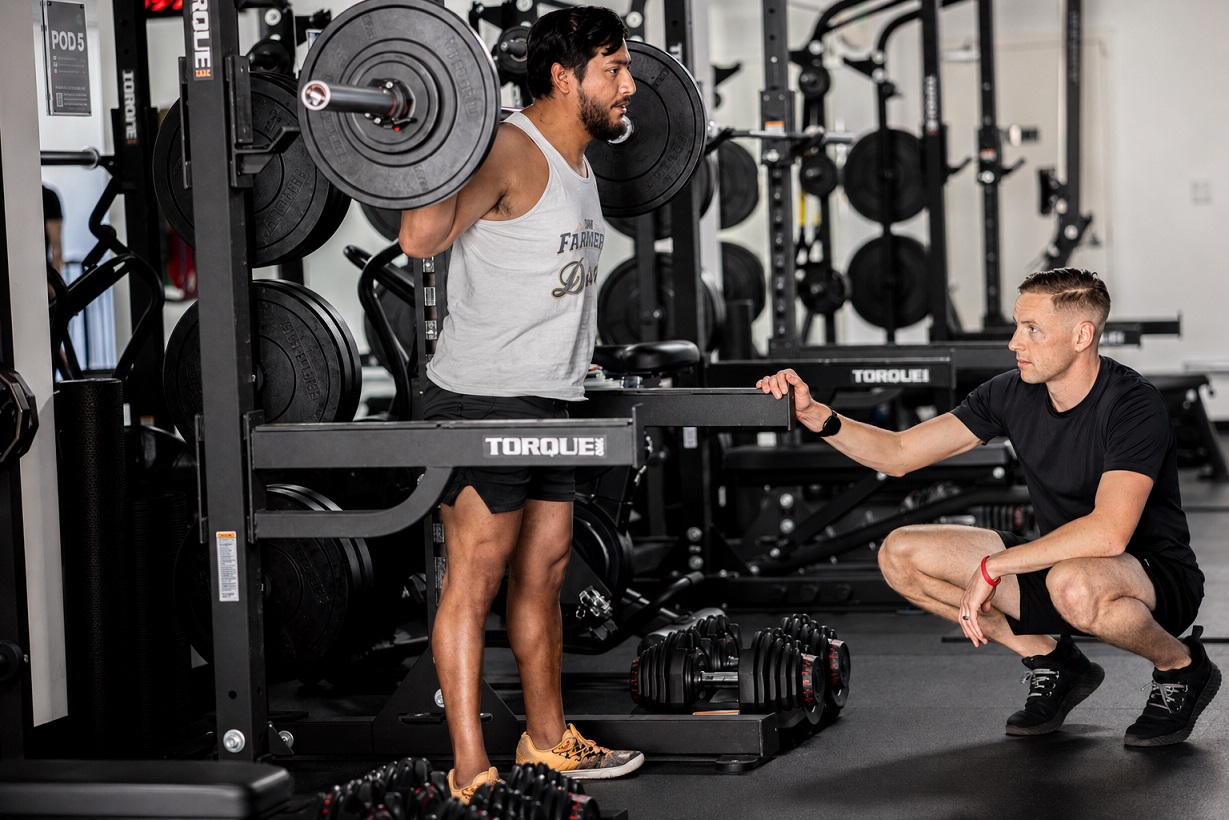
Business-provided image for The Yard Strength Training editorial spotlight
Inside the Environment: Business-provided visual asset used to accompany this examination of The Yard Strength Training’s reservation-based strength model.

Simplicity as a Training Standard

When Cicero shifts from operations to programming, the philosophy becomes even more stripped down. His argument is not that exercise selection never matters. It is that many people are distracted by novelty before they have extracted enough value from foundational movement patterns.

He organizes the core strength vocabulary around familiar categories: quad-dominant squats and lunges; posterior-dominant hinges; vertical and horizontal pushing; and vertical and horizontal pulling. Rather than continually replacing these categories, his approach is to perform them with increasingly better execution and progressively greater challenge.

Cicero describes working close to failure without allowing form to deteriorate, referencing roughly a nine-out-of-ten perceived effort as a marker of a hard set. Once prescribed repetitions and sets can be completed at the intended standard, progression can come through additional load, additional volume, better form, or slower tempo.

How the Barbell Strength Program Is Organized

The small-group barbell strength program gives this philosophy a repeatable weekly structure. Cicero says the studio runs six full-body workouts per week, with each session anchored by its own primary movement pattern. The main movement is barbell-based, while accessory work is commonly performed with dumbbells, kettlebells, and other free weights.

Across a training cycle, the program increases weight while reducing volume. Accessory selections distribute additional work across other areas of the body so that the week remains broadly balanced rather than turning each class into a single-lift session.

The class itself also functions as an entry point. Cicero describes it as an introduction to powerlifting and to navigating a squat rack, while noting that participation ranges from people who have never touched a barbell to members who have taken the class for years.

The Coaching Standard
The method is not “do more exercises.” It is establish the movement, protect the form, apply meaningful effort, and create a clear reason for the next progression.

Progress Is Built Into the Decision-Making

Progressive overload is often reduced to adding weight to the bar. Cicero’s description is broader. Load is one variable, but so are repetitions, total volume, movement quality, and tempo. That broader definition matters because it preserves progression even when the best next step is not simply “heavier.”

The philosophy also places a boundary around intensity. Cicero wants challenging work, but not effort that compromises form. That creates a useful distinction between productive difficulty and difficulty for its own sake. A hard set still has to meet a technical standard.

For new lifters, the studio adds human support around that structure. Cicero describes staff offering encouragement, spotting lifts, and providing scaling options when someone is unfamiliar with the equipment. He also points beginners toward personal training or small-group classes as ways to become more comfortable before training independently.

Method Brief

The Yard Strength Training Method in Four Lines

Primary Method
Fundamental squat, hinge, push, and pull patterns performed with enough consistency to make progression visible.
Workout System
Six full-body barbell strength sessions per week, each anchored by a primary movement and supported by accessory work.
Progress Drivers
Load, volume, movement quality, tempo, regular attendance, and hard effort without abandoning form.
Access Structure
Reserved pods for solo members and independent personal trainers, plus small-group training and trainer-client matching.
The Yard Strength Training Standard
Make access predictable. Make the training repeatable. Make progression measurable.
The Yard’s strongest operating principle is not a particular exercise. It is the removal of avoidable friction. When the rack is reserved, the program is simple, and the progression rule is understood, a lifter can spend less time improvising around the room and more time executing the work that was planned.

Measuring Change Without Pretending Six Weeks Is the Whole Story

Cicero’s comments about progress are notable for including a limitation. The barbell strength program runs in six-week blocks and, according to Cicero, can include DEXA scans at the beginning and end. He also says six weeks is not the ideal window for judging long-term results and that eight or twelve weeks would provide a better measurement period.

That distinction aligns with the broader philosophy running through the interview. Cicero repeatedly returns to years rather than weeks. Short-term measurements may provide feedback, but the operating belief is that durable physical change is built by staying with a sensible process long enough for incremental improvements to accumulate.

He applies the same standard to visible changes. Cicero says regular attendance can produce improvements he notices in members’ form, strength, movement, and appearance, but his larger point is that the process should not be designed around novelty or impatience.

MEMBER RESULTS

What Progress Looks Like at The Yard

The Yard’s results case includes both measured changes and member-reported experiences. As part of its six-week Barbell Strength Training program, the studio offers DEXA scans at the beginning and end. Cicero said six weeks is shorter than he would ideally use to judge long-term progress, but he reported seeing beginners finish the period with lower body fat and visceral fat alongside increases in muscle mass and bone density. He emphasized that scale weight may remain unchanged, or even rise, while body composition improves. The underlying scans and aggregate figures were not independently reviewed for this feature.

Cicero also described progress that becomes visible over several months of regular attendance: better movement quality, improved lifting form, greater strength, and noticeable physical changes. Beyond those markers, members have told him that they feel more energetic, are better able to keep up with their children, and have found a constructive outlet and sense of community while dealing with anxiety or low mood. These are attributed member experiences rather than independently verified clinical outcomes, but they illustrate why The Yard does not define progress by the scale alone.

MEMBER STORY

Beginning Powerlifting at 72

Cicero recalled a member he identified as Pat, who began powerlifting at age 72 with little to no previous strength-training experience. He said she went on to compete in multiple meets and that he believed she had set a state record for her powerlifting total. Her story later received local and national media attention. For Cicero, her progress reinforces a central idea behind the method: beginning later does not prevent meaningful strength development or ambitious goals.

A Strength-Focused Environment That Still Has to Feel Approachable

Rows of squat racks can send two different messages depending on the person walking in. To an experienced lifter, they may represent useful capacity. To someone who has never trained with a barbell, the same environment can feel intimidating.

Cicero acknowledges that tension directly. He says the team is trained to be warm and welcoming and encourages less experienced people to begin through personal training or small-group classes. His expectation is that repeated exposure can build enough competence and familiarity for a beginner to become comfortable using the equipment independently.

That progression from supported to self-directed training is an important part of the member experience. The Yard does not require every user to interact with the studio in the same way. Some reserve pods and follow their own programs. Some learn through classes. Others work one-on-one with independent trainers. The common thread is access to the same strength-focused environment through different levels of support.

“What you do doesn’t matter so much as doing something well and consistently over a long period of time.”
— Joe Cicero
EDITORIAL FIT ASSESSMENT

Who This Method Is For—and Who It May Not Fit

The Yard’s reservation model is a distinct operating choice, not a universal replacement for every kind of gym. Based on the structure Cicero described, its strongest fit is with people who value predictable access, repeated practice, and a strength program that can progress without being reorganized around a crowded room.

THE METHOD MAY FIT
  • Self‑directed lifters following a planned strength program who want guaranteed access to a rack, barbell, plates, and bench.
  • Beginners willing to learn the equipment through personal training or a structured small‑group introduction.
  • Members who prefer controlled capacity and predictable training conditions over an open, crowded strength floor.
  • Independent personal trainers seeking a dedicated station, greater privacy, and control over their client relationships.
CONSIDER ANOTHER FORMAT IF
  • Your priority is completely spontaneous, reservation‑free access to an open gym floor.
  • You prefer constant exercise novelty or trend‑led programming over repeating foundational movement patterns.
  • You mainly want a broad schedule of large‑group classes rather than a barbell‑centered strength environment.
  • You are a trainer looking for a conventional employee arrangement instead of operating as an independent business partner.

These fit observations are editorial inferences from the operating model described in the interview, not universal judgments about individual needs. The Yard’s guided tour and assessment remain the clearest way for a prospective member or trainer to determine whether the format matches their goals.

Trainer Independence Is Part of the Quality Model

The Yard’s relationship with personal trainers is not incidental to the studio. Cicero describes the trainers as business partners rather than simply customers renting space. The distinction reflects both the economics of the model and the operational respect he places on the work trainers perform.

He argues that coaching inside a crowded commercial gym can be physically and logistically difficult. Trainers are on their feet, constantly moving equipment, managing client needs, and often trying to protect a session from the unpredictability of an open floor. The Yard’s pod model is designed to reduce some of that friction by giving the trainer a defined station and a more controlled environment.

That arrangement also changes the client experience. A personal-training session is less dependent on what happens to be free at the moment. The trainer can plan around a known space, while the client receives a more private and predictable session.
Training Culture
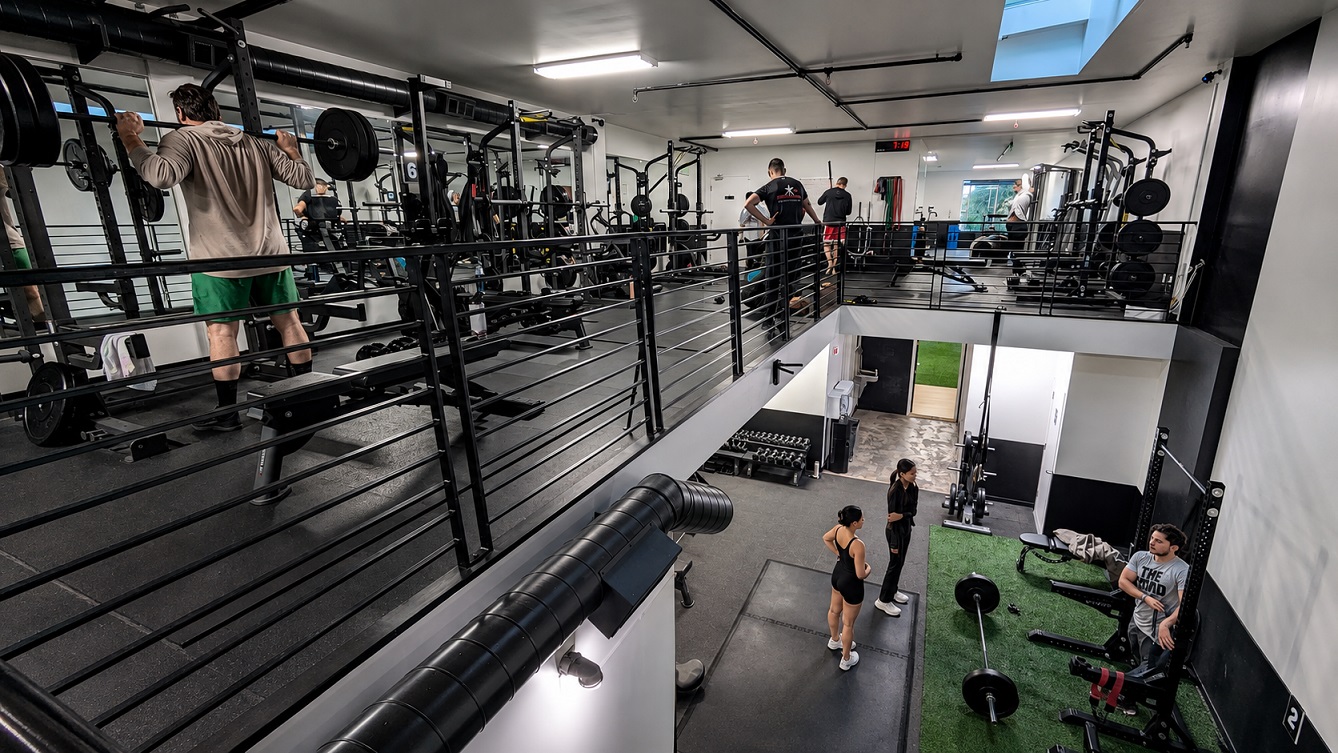
Business-provided image for The Yard Strength Training editorial spotlight
Training Culture: Business-provided visual asset supplied for editorial use in this Muscle & Authority Magazine™ spotlight.

What Sets The Yard Strength Training Apart

The Yard is structurally different before anyone touches a barbell. The reservation system is not simply a booking feature layered onto a conventional open gym. It changes how the room is allocated, how members plan, and how trainers conduct sessions.

That distinction is particularly relevant in strength training because core movements can depend on a limited number of stations. Cicero built the business from the frustration of having a program disrupted by unavailable racks and equipment. The resulting system treats access as part of training quality.

The programming philosophy then removes a second kind of friction: confusion. Instead of presenting fitness as an endless search for new exercises, Cicero returns to basic movement categories, challenging effort, technical execution, and incremental progression.

Market Position
The Yard occupies a narrow lane between open-floor gym access, coached strength classes, and fully independent personal training.
Its local relevance comes from combining those models inside one reservation system. Members can train alone without surrendering equipment predictability; beginners can enter through classes or coaching; and independent trainers can operate with dedicated strength-training space.

Why the Model Has Broader Relevance

Cicero’s growth ambitions suggest he views the equipment-access problem as larger than one market. At the time of the interview, he said The Yard operated two Bay Area locations and was in the process of opening a third. His longer-term plan is to franchise after the third location stabilizes.

The expansion thesis is consistent with the original problem statement. Cicero believes the model may have a use case not only in large cities but also in smaller markets where strength-focused users may have limited choices and busy commercial gyms can make specific equipment difficult to access.

Whether that model scales nationally is a future business question. What is already clear from the interview is the operating logic: The Yard is not trying to outcomplicate the fitness industry. It is attempting to make a familiar kind of training easier to execute by redesigning the environment around reservation, capacity, and repeatability.

Executive Summary
Key Authority Takeaways
  • The Yard Strength Training uses a reservation-based pod model to give users a dedicated squat rack, barbell, plates, and bench during individual sessions.
  • Cicero’s training philosophy favors fundamental squat, hinge, push, and pull patterns over constant exercise novelty.
  • Progressive overload can come through additional weight or volume, better form, or slower tempo while hard effort remains technically controlled.
  • The small-group barbell program runs six full-body sessions per week, each organized around a primary movement with accessory work layered around it.
  • Independent personal trainers are part of the core business model rather than an add-on; they reserve dedicated space and retain control over their client relationships.
  • The beginner pathway includes personal training, small-group barbell instruction, spotting, scaling, guided tours, and movement-assessment options.
Closing

The Environment Should Stop Fighting the Program

The Yard Strength Training makes a persuasive operational point: consistency is not only a matter of individual discipline. The environment can either support the plan or repeatedly interrupt it.

By reserving core equipment, controlling capacity, supporting independent trainers, and keeping the training philosophy grounded in repeatable movement patterns, Cicero has built a business where logistics and programming are designed to point in the same direction. The standard is not novelty. It is the ability to return, execute, improve, and do it again.

The Standard of Membership / The First Step
Start With a Guided Tour and Assessment

For someone interested in The Yard but unsure which path fits, Cicero points first to the business website and a conversation with the team. The studio can explain solo sessions, small-group training, or personal-training options and help a prospective user decide which level of support makes sense.

Cicero specifically describes a 30-minute guided tour and assessment appointment that can be booked through the site. The visit includes a tour and time for programming or membership questions. When appropriate and time permits, an experienced lifter may be introduced to part of that day’s strength session, while a less experienced visitor may go through a basic bodyweight movement assessment.

Begin Here

Featured Fitness Authority
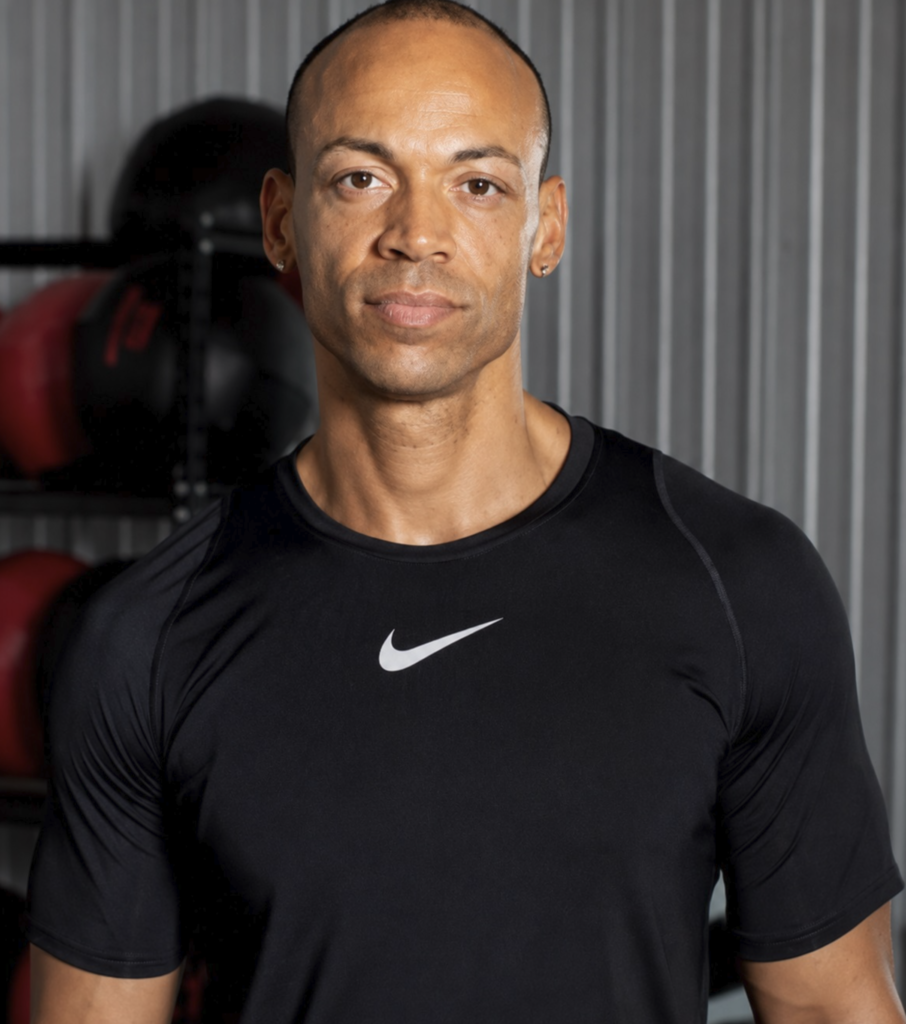
Business-provided leadership image for Joe Cicero of The Yard Strength Training
Business-Provided Leadership Image
Owner / Operating & Training Philosophy Source
Joe Cicero
The Yard Strength Training
Bay Area
Authority Standard
Reduce friction around access, keep the movements understandable, and give progression enough time to compound.

Joe Cicero is the owner of The Yard Strength Training. His background combines years of personal strength training, collegiate football, experience at a fitness startup, strategy and finance work, and competitive powerlifting. His authority in this feature comes from the way he has translated those experiences into a reservation-based strength-training business, an independent-trainer access model, and a programming philosophy centered on simple movement patterns and progressive overload.

Muscle & Authority Magazine™ Spotlight Note
The Yard Strength Training is featured here for the relationship between its operating model and its training philosophy. Reserved strength stations address the logistics of following a program, while Cicero’s emphasis on foundational movement and progressive overload addresses the programming side. Together, they create a useful case study in how facility design can reinforce a training standard.
Reader Briefing
Reserved Access, Repeatable Strength, and the Supported First Step
A concise editorial briefing on the programming logic, operating distinction, and entry path behind The Yard Strength Training.
01 / Repeatable Strength
How does The Yard Strength Training structure strength work without relying on constant workout novelty?
Joe Cicero describes a simple, repeatable strength philosophy centered on fundamental squat, hinge, push, and pull patterns, challenging effort without sacrificing form, and progressive overload through weight, volume, form, or tempo over time.
02 / Reserved Access
What changes when strength-training space is reserved instead of first-come, first-served?
The Yard Strength Training’s reservation model gives a user a dedicated squat rack, barbell, plates, and bench for the session, with shared access to other equipment. Cicero says the system is intended to make workouts more predictable for members and independent personal trainers.
03 / Guided Entry
What is the recommended first step for someone new to The Yard Strength Training?
Cicero recommends visiting goyard.fit and describes a 30-minute guided tour and assessment appointment where the team can explain the space, answer questions, and, when appropriate, conduct a basic movement assessment or introduce part of the day’s strength workout.
Briefing Takeaway
The Yard’s authority is not based on making strength training more complicated. Its operating case is almost the reverse: reserve the tools, narrow the movement vocabulary, protect technical standards, and make consistent progression easier to execute.
Editorial Standards & Source Transparency

This Muscle & Authority Magazine™ feature was prepared from the recorded interview with Joe Cicero and business-provided visual assets. The editorial focus is The Yard Strength Training’s reservation-based access model, strength-programming philosophy, independent-trainer structure, beginner pathways, progression logic, and member experience. The business website address was supplied in the interview and is used as the reader CTA; no additional website claims were introduced.

Statements about programming, DEXA use, progression, equipment access, trainer relationships, and reported member experiences are attributed to or derived from Cicero’s interview rather than presented as universal guarantees. This article is editorial and does not provide medical, rehabilitation, nutrition, or individualized training advice. It does not guarantee outcomes, fabricate credentials, rely on unsupported testimonials, or present unsupported transformation promises.

Sources

Editorial Source Ledger

The factual basis for this authority spotlight is intentionally narrow and business-specific.
Original Interview Transcript: Recorded interview with Joe Cicero covering The Yard Strength Training’s business model, strength philosophy, programming, trainer structure, member experience, growth plans, and first-step process.
First Step / Standard of Membership: Transcript-extracted description of the 30-minute guided tour and assessment appointment.
Official Business / CTA URL: www.goyard.fit, supplied by Joe Cicero during the interview. Used as the CTA destination, not as an independently reviewed factual source.
Article Visual Assets: Business-provided image URLs supplied for editorial placement.
Founder / Leadership Image: Business-provided leadership image supplied for the Featured Fitness Authority card.
Logo Asset: Business-provided logo URL supplied for lower-page brand identification.
The Yard Strength Training business logo
Muscle & Authority Magazine™ / Authority Spotlight
© Muscle & Authority Magazine™. All rights reserved.
Share This Article
Email Copy Link Print
ByMark D.R. Ford
Follow:
Editorial writer for Muscle & Authority Magazine™.
Previous Article Tru Fit Bootcamp Van Nuys, California When Your Workout Stops Challenging You, What Comes Next? The Three-Tier Model at TruFit Bootcamp

You Might Also Like

Image supplied by Kinesia Pilates for editorial use
Authority SpotlightsCoaching IntelligenceCorrective ExerciseMeasurement & ResultsTraining Systems

Kinesia Pilates in Pioneer Square, Seattle: The Romana’s Pilates Method Built on Resilience

August 24, 2026
Cave Training strength and conditioning environment in Santa Clarita California
Authority SpotlightsCoaching IntelligenceCorrective ExerciseMeasurement & ResultsStrength & MuscleTraining Systems

Cave Training: Inside the Strength, Conditioning, and Community Standard Built for Real Life

August 24, 2026
Tru Fit Bootcamp Van Nuys, California
Authority SpotlightsCoaching IntelligenceStrength & MuscleTraining Systems

When Your Workout Stops Challenging You, What Comes Next? The Three-Tier Model at TruFit Bootcamp

August 24, 2026
One Step Fitness private training environment in Irvine California
Authority SpotlightsCoaching IntelligenceMeasurement & ResultsStrength & MuscleTraining Systems

One Step Fitness: The Competitive Standard Behind Irvine’s Private, Form-First Training Floor

August 24, 2026
Muscle & Authority Magazine™

Independent editorial coverage of the training systems, coaching methods, measurement disciplines, and performance standards producing meaningful results.

Methods & Coverage

  • Authority Spotlights
  • Training Systems
  • Strength & Muscle
  • Corrective Exercise
  • Coaching Intelligence
  • Measurement & Results

Publication

  • About
  • Editorial Standards
  • Get Featured
© 2026 Muscle & Authority Magazine™. Independent fitness journalism. All rights reserved.
Welcome Back!

Sign in to your account

Username or Email Address
Password

Lost your password?