

Get Featured→
  • Latest
  • Desks
    39 Articles

    Authority Spotlights

    Profiles of coaches, trainers, and facilities distinguished by a clear, defensible training method and a record of meaningful client results.
    36 Articles

    Training Systems

    Programming frameworks, training models, and repeatable systems designed to produce reliable performance outcomes.
    32 Articles

    Strength & Muscle

    Strength development, hypertrophy, resistance methods, and the coaching principles behind durable physical capacity.
    13 Articles

    Corrective Exercise

    Assessment-led movement, corrective strategies, rehabilitation-informed training, and intelligent progression.
    35 Articles

    Coaching Intelligence

    The decisions, communication, observation, and professional judgment that separate effective coaching from generic instruction.
    33 Articles

    Measurement & Results

    Testing, progress tracking, outcome measurement, client evidence, and the standards used to determine what is actually working.
  • Authority Spotlights
  • Training Systems
  • Strength & Muscle
  • Corrective Exercise
  • Coaching Intelligence
  • Measurement & Results
Muscle & Authority Magazine™
Get Training Insights→
Font ResizerAa
Muscle & Authority Magazine™Muscle & Authority Magazine™
Get Training Insights→Get Featured→
Search
  • Editorial Desks
  • Authority Spotlights
  • Training Systems
  • Strength & Muscle
  • Corrective Exercise
  • Coaching Intelligence
  • Measurement & Results
  • Publication
  • About
  • Get Featured
  • Editorial Standards
Follow US
Authority SpotlightsCoaching IntelligenceMeasurement & ResultsStrength & MuscleTraining Systems

Homefit Seattle: The Northeast Seattle Coaching Model Built Around Resistance Training

Stewart McDonald brings Homefit’s resistance-first coaching into clients’ homes in Northeast Seattle and over video, pairing exercises into mini circuits with deliberate tempo, earned progression, and a relaxed buddy-system manner.

Published April 18, 2026 · Updated Oct. 18, 2026
Muscle & Authority Editorial Team
ByMuscle & Authority Editorial Team
The editorial desk behind Muscle & Authority Magazine™ examines training methods, coaching systems, and measurable progress. Authority Spotlights are prepared from recorded owner interviews, with attention...
Follow:
Share
SHARE
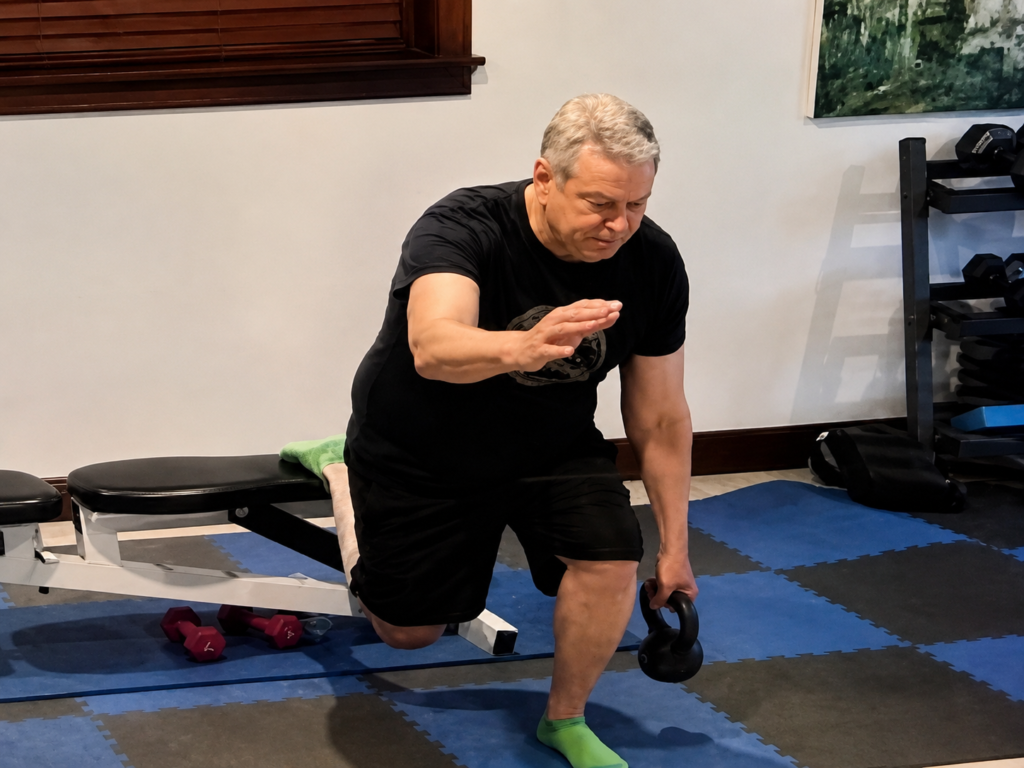
A client doing a Bulgarian split squat with a kettlebell during an in-home Homefit session in Northeast Seattle
Training Snapshot A client works through a Bulgarian split squat with a kettlebell in a home gym, rear foot on a bench and a dumbbell rack behind; it is one of the movements McDonald pairs into his mini circuits. Photo: Courtesy of Homefit
Authority Spotlight
Muscle & Authority MagazineTM
Training Methods / Coaching Standards / Local Fitness Leadership
Editorially prepared from a recorded interview with Stewart McDonald

Stewart McDonald’s standing as a personal trainer was earned the long way. He began lifting at seventeen, added roughly sixty pounds of muscle over years of disciplined training, and stood on stage as a state bodybuilding champion in 1989. What makes that history matter now is not the title. It is the fifteen years of hands-on understanding he accumulated before he ever coached anyone else.

When McDonald returned to fitness as a profession, he and his wife built Homefit together as an in-home and virtual personal training practice. The premise was simple and, at the time, unusual. Rather than asking clients to come to him, he would bring the method to them, in their kitchens, garages, and home gyms, or through a screen. That decision shaped everything about how the coaching works.

Inside a session, the work follows a clear order. McDonald fills roughly fifty minutes with paired exercises grouped into mini circuits that span upper body, lower body, and full-body work, while lifts such as deadlifts and pull-ups get focused sets of their own. Load is matched to what each client can handle and advanced over time, at a deliberate tempo that slows further around joints returning from injury.

The Authority Standard
Homefit: Inside the In-Home Training Method Built Around Resistance and Recovery
In Northeast Seattle, Stewart McDonald has built Homefit around in-home and virtual personal training, resistance-based programming, a circuit method, methodical conditioning, and a buddy-system approach designed to help clients begin, progress, and stay consistent, wherever they train.
Northeast Seattle, Washington   /   In-Home Personal Training   /   Virtual Training   /   Resistance Method   /   Circuit Programming
RESISTANCE
Builds Vitality
A closer look at how Homefit uses resistance training, circuit programming, methodical progression, joint-friendly conditioning, and one-on-one coaching to help clients build strength, ease pain, and stay consistent in their own space.
Training Dossier
Business: Homefit
Location: Northeast Seattle, Washington
Owner / Interview Source: Stewart McDonald
Business Type: In-home and virtual personal training practice
Training Focus: Resistance training, circuit-based programming, methodical strength progression, and joint-friendly conditioning
Primary Clients: Adults returning to fitness, older clients, people carrying joint pain, and young athletes
M&AView Contents
M&AAuthority Spotlight
Contents
Method File · 9 Sections
Inside the Method

A structured guide to the training methods, coaching philosophy, progression system, client experience, and evidence examined in this Authority Spotlight.

  1. 01The Method Behind the Results
  2. 02What Drives the Progress
  3. 03Why Resistance Became the Anchor
  4. 04How the Workouts Are Built
  5. 05The First 60 to 90 Days: The Conditioning Window
  6. 06Results That Show Up in Daily Life
  7. 07The Client Experience: One on One, In Home, and Personal
  8. 08What Sets Homefit Apart
  9. 09Where the Method Leads
Featured Pull Quote
“You can begin no matter where you are and begin your life, your fitness lifestyle.”
Stewart McDonald
The Method Behind the Results

McDonald’s method begins with a conviction he states plainly: vitality comes from resistance. In his account, the body responds to load. Muscle placed under appropriate stress breaks down at the cellular level, then repairs and rebuilds stronger, drawing on blood, oxygen, and nutrients along the way. That biological reality, he argues, applies to everyone, women and men, young and old, not only to athletes or experienced lifters.

This is why he is skeptical of training that never progresses. Eight-pound dumbbells, he suggests, are rarely the answer. Under the right guidance and safety protocols, heavier and more appropriate resistance is what produces the change most clients are actually seeking. The distinction is not recklessness. It is intent.

Just as important is the tempo. McDonald describes training that is methodical, even meditative, especially when the work involves a joint or an area returning from injury. Having gone through rotator cuff surgery after a mountain bike fall, he speaks about the shoulder with a coach’s empathy and a patient’s understanding. In his practice, the instinct is to slow down and build the tissue, not to speed up and force it.
Why This Feature Was Selected
This feature earned its place in Muscle & Authority Magazine™ for a straightforward reason. Homefit runs on a method that travels: resistance chosen for the individual, circuits ordered for real bodies, conditioning that spares the joints, and a coaching manner that treats the client as a training partner. It is a practice built on years under the bar, not on advertising, and it holds up whether the session happens in a garage or over a video call.
Fact File
The Operating Details Behind the System
Business Type
In-home and virtual personal training practice serving Northeast Seattle, Washington, operating since 2006.
Primary Audience
Adults across a wide range of ages and abilities, including beginners, returning clients, older adults, people managing joint pain, and young athletes.
Training Philosophy
Resistance-first coaching supported by circuit programming, methodical tempo, recovery awareness, and care for the person behind the goal.
Workouts
Roughly fifty-minute sessions built from paired exercises and mini circuits, with appropriate progressive loading and clear safety protocols.
Support Structure
One-on-one in-home coaching, virtual training sessions, exercise selection matched to ability, and a buddy-system manner that makes starting feel possible.
Core Principle
The client is met where they are, in their own space, and guided toward strength they can feel in daily life.
Inside the Method
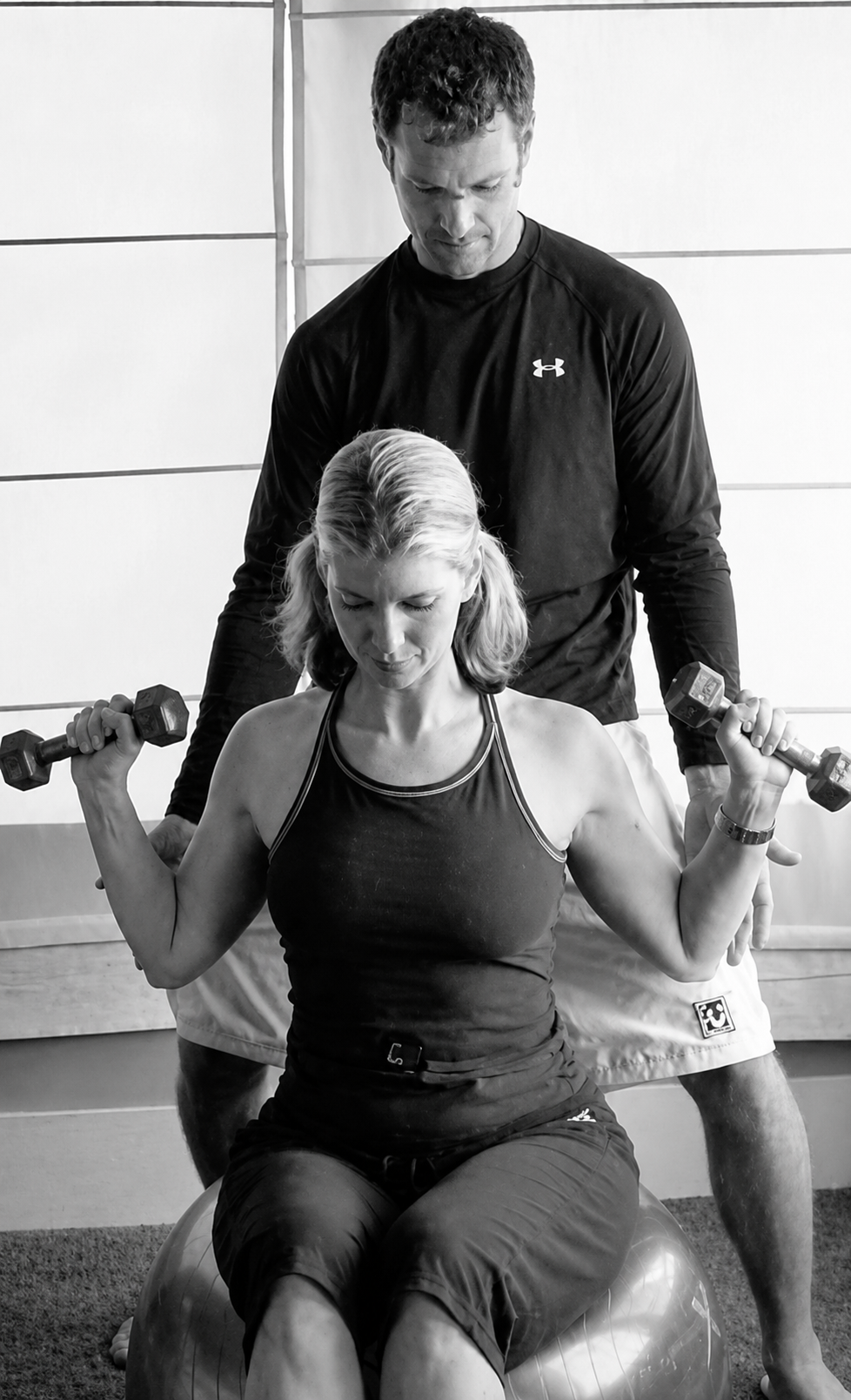
Black-and-white photo of a trainer behind a client holding dumbbells at shoulder height on a stability ball
Inside the Method: A trainer stands close behind a client seated on a stability ball as the client holds a pair of hex dumbbells at shoulder height, in a black-and-white photo. Photo: Courtesy of Homefit
Why Resistance Became the Anchor

In McDonald’s approach, resistance is not reserved for advanced lifters. It is treated as a foundation for nearly everyone. Clients still move through mobility work and conditioning, but the organizing principle is load, applied at a level the person can handle and then advanced over time. His view is that soft tissue and bone need that stimulus to stay strong, and that the benefit does not fade with age.

That has practical consequences on the ground. McDonald has watched clients grow more engaged and more consistent as their training leans into appropriate resistance, because strength gives people something they can feel and measure. A heavier lift, a cleaner movement, a set completed with control, all of it becomes evidence that the work is working.

The balance is the point. McDonald is not chasing the most exhausting hour, and he does not treat soreness as the scoreboard. He is after a body that works better outside the session: steadier on its feet, stronger through the joints, and more able to do the ordinary things a person actually cares about.

Editor’s Note
McDonald’s credibility does not depend on a branded facility or a wall of class times. It comes from a method sharpened over decades of lifting and competition, then carried through the front door of the people he trains. He fits the resistance to the body in front of him, moves the progression only as fast as it is earned, and keeps the room calm enough that difficult work still feels like something a person can walk into.
How the Workouts Are Built

Homefit sessions are built around a working window of about fifty minutes, and McDonald favors circuits. In his account, the clock moves quickly once training begins, so the session has to be organized, not random. A circuit keeps the client in constant, purposeful motion and drives oxygenated blood to the working muscles across the whole body.

The structure is layered. McDonald pairs exercises into mini circuits, marrying movements such as a clean and jerk, a Bulgarian split squat, and a chest press so a client rarely has to wonder what comes next. Across a full session, that can add up to more than twenty exercises, sequenced so upper body, lower body, and full-body work are all covered.

Not everything belongs in a circuit. Certain lifts, such as deadlifts and pull-ups, are trained on their own for focused sets, and McDonald notes that many of his clients now perform pull-ups they once could not. When time is short, the essentials remain a squat and a chest press, one for the lower body and one for the upper, the movements he considers foundational to building strength.

Coaching Philosophy
Anyone can watch the exercises. What is harder to see is the part McDonald cares most about: the pacing, the eye on form, the safety margin, and the nerve to call for the last five reps once a client has already decided they are done.
The First 60 to 90 Days: The Conditioning Window

Many of McDonald’s clients arrive carrying pain, in the knees, feet, hips, or shoulders. He describes the early stretch of training as a conditioning phase that can run two to four months, built on specific routines, consistency, and steady resistance. Over that window, he says, those joint problems often ease, an outcome he still finds striking after all these years.

Within the first 60 to 90 days, he notes that clients frequently start to look different, feel different, and even dress differently. He is careful not to promise it as automatic. The change, in his framing, is real work for both the coach and the client, and it is earned through showing up rather than through a single dramatic before-and-after.

This makes the Homefit model more measured than a quick-fix program. The early phase is not a countdown to a finished result. It is the period in which a person builds the routine, the resistance base, and the confidence that make longer-term progress possible.

Method Brief
What Drives the Progress
Primary Method
Resistance training applied appropriately to the individual, with progressive, safety-conscious loading matched to the client’s level, history, and goals.
Workout System
Circuit-based sessions of roughly fifty minutes that pair exercises together, keeping the body in near-continuous, whole-body work, with certain lifts such as deadlifts and pull-ups trained on their own.
Progress Drivers
Consistency, appropriate resistance, methodical tempo, joint-friendly conditioning, the “last five” pursuit, and one-on-one coaching attention.
Client Range
Adults returning to fitness, people carrying joint pain, older clients, cases recovering after physical therapy, young athletes, and anyone who wants guided training in their own space.
The Homefit Formula
Resistance is the anchor. Method is the discipline. Making it easy is the invitation.
What earns trust in McDonald’s coaching is the sequence. He fits the load to the person before he asks for effort, he lets the tempo do the teaching, and he keeps the room calm enough that a nervous beginner comes back for the next session. The intent stays high. The pressure does not.
Results That Show Up in Daily Life

McDonald’s idea of results is grounded and visible. Muscle takes time to develop, and it comes through the conditioning phase, the resistance, the recovery, and attention to nutrition. He explains the process without mystique. Muscle is broken down at the cell level during training, then rebuilt, and part of the pump a client feels is the tissue responding and preparing to come back stronger.

Whatever a client’s goal, McDonald keeps the standard honest. Progress is something a person should be able to see and feel, and he treats a goal met, whatever it is, as the real proof. He describes the moment a client shifts to another level than where they started as a genuine change in how they carry themselves, not just a number on a scale.

Very few of McDonald’s clients are training for a platform or a trophy. They are training to move through their days with less pain and more ease, and the worth of his coaching lies in taking that ordinary goal seriously and building a genuine method around it.

“There’s another level people stop and set the weights down. At that point, that’s when that level begins.”
Stewart McDonald
The Client Experience: One on One, In Home, and Personal

Homefit is small by design. McDonald describes working with roughly twenty-six regular clients, often training each of them one or two times a week. The work happens in the client’s own environment, whether that is a home gym, a garage, a kitchen, or a living room, which changes the whole dynamic of the session. There is no crowd to navigate and no unfamiliar room to get comfortable in.

Virtual training has become a real part of the practice, something McDonald began during the pandemic and now genuinely values. It lets him coach without needing to be in the room, and he speaks about watching a client’s form and progress across a screen with real appreciation. What began in a difficult season turned into a durable second channel for the same coaching.

The manner is what ties it together. McDonald calls it a buddy system. He does not run sessions from a place of stress, whistles, or pressure. His aim is to make training approachable, even fun, so that beginning does not feel like a scary or arduous thing. In his words, it becomes easy at the end of the day when a person has a buddy in it with them.

What Sets Homefit Apart

Homefit stands apart first because the coaching comes to the client, and second because of the depth behind it. McDonald’s range is unusual. He recounts working with an older client whose serious circulation trouble in the foot changed markedly over time through consistent, patient, whole-body resistance and mobility work. He also recounts coaching a young client from age eight who set out to become extremely strong and is now competing in international powerlifting. The same method served both, scaled to the person.

Just as telling is how McDonald frames fitness itself. He does not present it as a transaction or a fixed program a person must conform to. He encourages clients to build a style of training that works for them, one that need not be powerlifting or yoga or any single discipline, and he sees his role as helping people find that pathway and stay on it.

His outlook on the business reflects the same restraint. McDonald once assumed he would need to chase clientele in high-end communities. Today his Northeast Seattle community has grown to the point that neighbors find Homefit near their own homes, and he no longer drives across the region to prospect. The vision is not endless expansion. It is to keep serving his people well, one relationship at a time.

Market Position
Where most personal training asks the client to travel, learn a facility, and fit into a room, Homefit turns the arrangement around. The coaching arrives at the door, or on the screen, and the method travels with it.
That reversal is the whole position. Northeast Seattle clients who choose Homefit are choosing resistance-based programming, joint-friendly conditioning, and steady progression delivered one relationship at a time, in the space where they already feel at ease. It is coaching for people who want real expertise without the crowd, the commute, or the feeling of being one more face on a gym floor.
Executive Summary
Key Takeaways
  • Homefit is a Northeast Seattle in-home and virtual personal training practice led by Stewart McDonald, operating since 2006.
  • The method centers on resistance training, circuit-based programming, methodical tempo, and joint-friendly conditioning.
  • McDonald pairs a 1989 state bodybuilding championship, formal personal-training academy education, and NASM certification with more than fifteen years of lifting experience.
  • The practice is built to meet clients in their own homes or virtually, which makes consistency more accessible.
  • The core promise is not a quick transformation. It is a sustainable, personal path to strength that carries into daily life.
Closing

Where the Method Leads

Strip away the setting and what remains at Homefit is a conviction that has held for nearly two decades: the right resistance, applied with patience in the place a person already lives, can rebuild strength that daily life keeps taking away. McDonald has watched it hold true for a client in her later years and for a teenager bound for international competition, and he brings the same method to both, scaled to the body in front of him.

For a reader weighing where to begin, the appeal is not volume or spectacle. It is a trainer who comes to you, a session organized down to the tempo, and a philosophy that treats consistency as the real result. The invitation is plain. Start where you are, in the space you have, and let the work compound.

The Bottom Line
Ask McDonald what governs a session and the answer is order, not force. Resistance is chosen for the body in front of him, the tempo stays deliberate, the progression is earned, and the whole of it unfolds in the client’s own home or across a screen. The load is real, but it never arrives ahead of the person ready to carry it.
Muscle & Authority Magazine™
The First Step
Begin With a Message. Build the Path From There.

For readers who feel a pull toward Homefit’s approach, the first step is refreshingly direct. There is no elaborate funnel and no pressure. The point is simply to reach the person who will actually be doing the coaching.

Stewart McDonald keeps his contact deliberately simple. The official Homefit website carries an email that reaches him directly, and he reads and personally answers every inquiry that comes through it. For anyone weighing whether in-home or virtual training is the right fit for this next season of coaching, that conversation is where it begins.

Explore Homefit

The Owner
Stewart McDonald, founder and personal trainer at Homefit
Photo: Courtesy of Homefit
Stewart McDonald
Founder / Homefit
Northeast Seattle, Washington
Founding Principle
Meet the person first. Build strength through resistance. Make the path easy enough to keep.

Stewart McDonald is the founder and personal trainer behind Homefit, serving Northeast Seattle through in-home and virtual coaching. His method reflects more than fifteen years of lifting experience, a 1989 state bodybuilding championship, formal personal-training academy education, and certification through the National Academy of Sports Medicine, applied to a practice built around resistance training, methodical progression, and meeting each client exactly where they are.
Homefit logo
Reader Briefing
Method, Access, and Local Position
A concise editorial briefing on how Homefit trains, how clients reach it, and where it fits in Northeast Seattle.
01 / Training Method
What kind of training does Homefit emphasize?
Resistance is the foundation. McDonald coaches one on one, in the home or over video, using circuits that keep the whole body working, deliberate tempo, and loading that advances only as fast as the client can safely handle. Conditioning is folded in without punishing the joints.
02 / Local Difference
What makes Homefit different locally?
The difference is that nobody has to walk into an unfamiliar gym. Training happens in the client’s own space, or on a screen, guided by a trainer who spent more than fifteen years under the bar himself and who runs a session like a buddy rather than a drill instructor.
03 / Next Step
Where can readers learn more about Homefit?
The official Homefit website is the single point of contact. Messages sent through it go straight to McDonald’s inbox, and he reads and answers each one himself, since he spends most of his day coaching.
Briefing Takeaway
What makes Homefit worth studying is the discipline underneath its simplicity: resistance chosen for the person, tempo held steady, progression earned over time, and every session delivered where the client already lives. The setting changes. The method does not.
About This Story

This feature is based on a recorded interview with Stewart McDonald, founder and personal trainer at Homefit, and on business context he provided about how Homefit operates, along with photographs and the logo supplied by Homefit. It also draws on the official Homefit website, the practice’s point of contact. Details on resistance programming, circuit structure, tempo, progression, and the in-home and virtual client experience come from McDonald’s interview and that business context.

Statements about training methods and results, including accounts of client progress, are attributed to McDonald’s account rather than presented as guarantees. This article is editorial; it does not provide medical, rehabilitation, nutrition, or individualized training advice, and it does not guarantee individual outcomes. Readers should consult a qualified professional before starting or adjusting a training program.

Sources
  • Recorded interview with Stewart McDonald, founder and personal trainer at Homefit, covering resistance programming, circuit structure, tempo, progression, the client experience, and first steps for new clients.
  • Business context, photographs, and logo provided by Homefit.
  • Homefit website: homefitpersonaltraining.com, the practice’s official site and point of contact.
More Authority Spotlights
RG AthleticsBuilding Progress Through Form, Range of Motion and Deliberate Progression
Ultra Fit · Upstate South CarolinaCan Muscle-First Training Replace Hours of Cardio?
Newport PeachDoes Class Size Change the Workout? How Newport Peach Coaches the Peach Step Method
The Yard Strength Training · Bay AreaCan Booking Your Own Squat Rack Make You Stronger?
Inside the Method
01The Method Behind the Results
02Why Resistance Became the Anchor
03How the Workouts Are Built
04The First 60 to 90 Days: The Conditioning Window
05What Drives the Progress
06Results That Show Up in Daily Life
07The Client Experience: One on One, In Home, and Personal
08What Sets Homefit Apart
09Where the Method Leads
Get Featured
Built a method worth examining?
See how studio owners, coaches and wellness providers can be featured in a Muscle & Authority Magazine™ Authority Spotlight.
Get Featured

Related training methods

Explore more approaches to individualized training and progression.
  • A-Team Health and Fitness: Customized Strength Coaching
  • Slow-Motion Strength Training: The Strength Code Method
Share This Article
Email Copy Link Print
ByMuscle & Authority Editorial Team
Follow:
The editorial desk behind Muscle & Authority Magazine™ examines training methods, coaching systems, and measurable progress. Authority Spotlights are prepared from recorded owner interviews, with attention to how each approach is taught, adapted, and assessed. Coverage distinguishes documented outcomes, professional observations, and individual experiences.
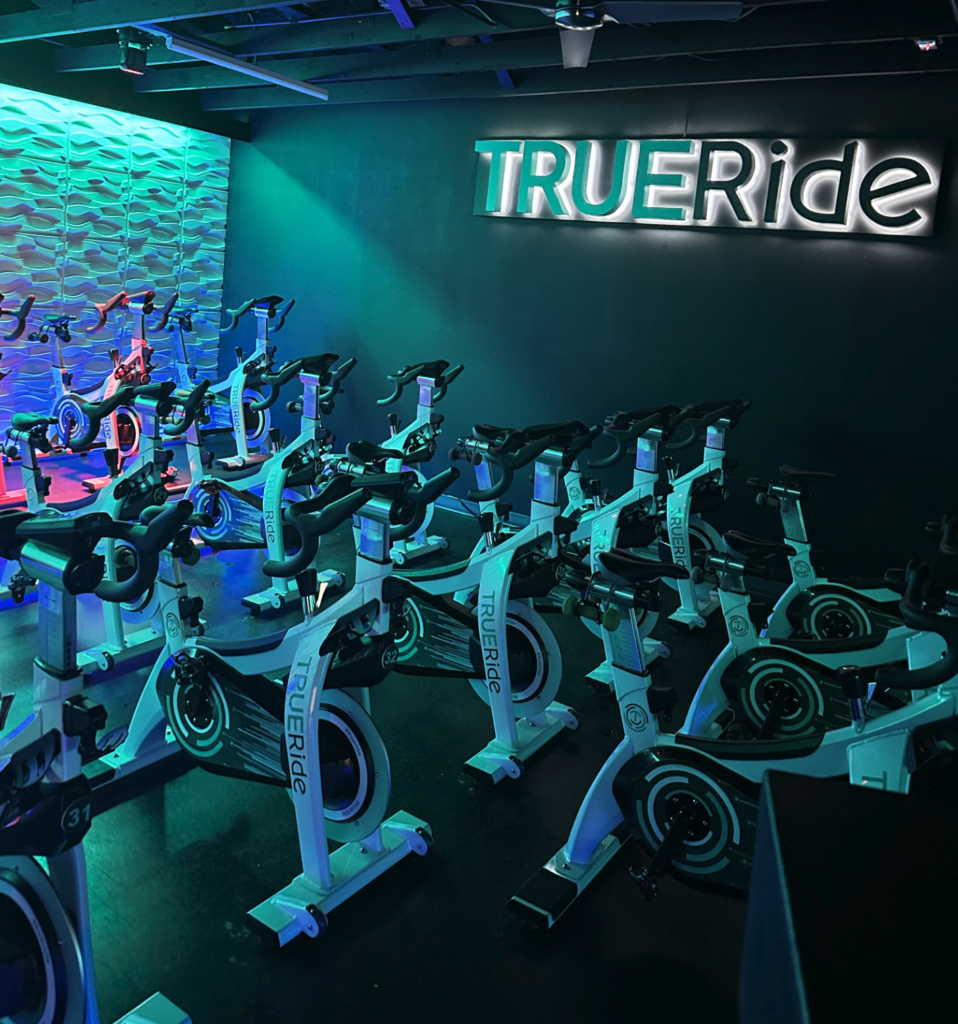
Previous Article TRUE Ride indoor cycling studio interior in Redding, California TRUE Ride Redding: Rhythm Cycling Built Around Real People
Next Article Hybrid Fitness Training brain-based coaching and personal training in Santa Monica California Hybrid Fitness Training Santa Monica: Brain-Based Coaching and Nervous System Training

You Might Also Like

TRUE Ride indoor cycling studio interior in Redding, California
Authority SpotlightsCoaching IntelligenceMeasurement & ResultsTraining Systems

TRUE Ride Redding: Rhythm Cycling Built Around Real People

October 18, 2026
Tru Fit Bootcamp Van Nuys, California
Authority SpotlightsCoaching IntelligenceStrength & MuscleTraining Systems

TruFit Bootcamp Van Nuys: The Three-Tier Progressive Training Model

October 26, 2026
Emosa Pilates studio environment
Authority SpotlightsCoaching IntelligenceMeasurement & ResultsTraining Systems

EMOSA Pilates Orange County: Inside the Mat-Based Approach to Client Progress

October 18, 2026
RG Athletics training community inside the gym in Santa Maria, California
Authority Spotlights

RG Athletics: Building Progress Through Form, Range of Motion and Deliberate Progression

November 5, 2026
Muscle & Authority Magazine™

Independent editorial coverage of the training systems, coaching methods, measurement disciplines, and performance standards producing meaningful results.

Methods & Coverage

  • Authority Spotlights
  • Training Systems
  • Strength & Muscle
  • Corrective Exercise
  • Coaching Intelligence
  • Measurement & Results

Publication

  • About
  • Editorial Standards
  • Get Featured
  • Corrections & Contact
© 2026 Muscle & Authority Magazine™. Independent fitness journalism. All rights reserved.
Welcome Back!

Sign in to your account

Username or Email Address
Password

Lost your password?