


Core Sport Pilates: Twenty Years of Programming to the Person in Front of You
Location: Loretto Plaza, Santa Barbara, California
Owner / Training Philosophy Source: Chanda Fetter
Business Type: Pilates and wellness center operating two suites, one for group class programming and one for private training and rehabilitation-minded work
Training Focus: Reformer Pilates, barre, TRX, spinning, mobility and stretch, weight training classes, pelvic floor specialization, private one-to-one training, and body-composition measurement.
Operating Record: Approaching twenty years of independent ownership in February.
M&AView Contents
A structured guide to the training methods, coaching standards, progression system, client experience, and evidence examined in this Authority Spotlight.
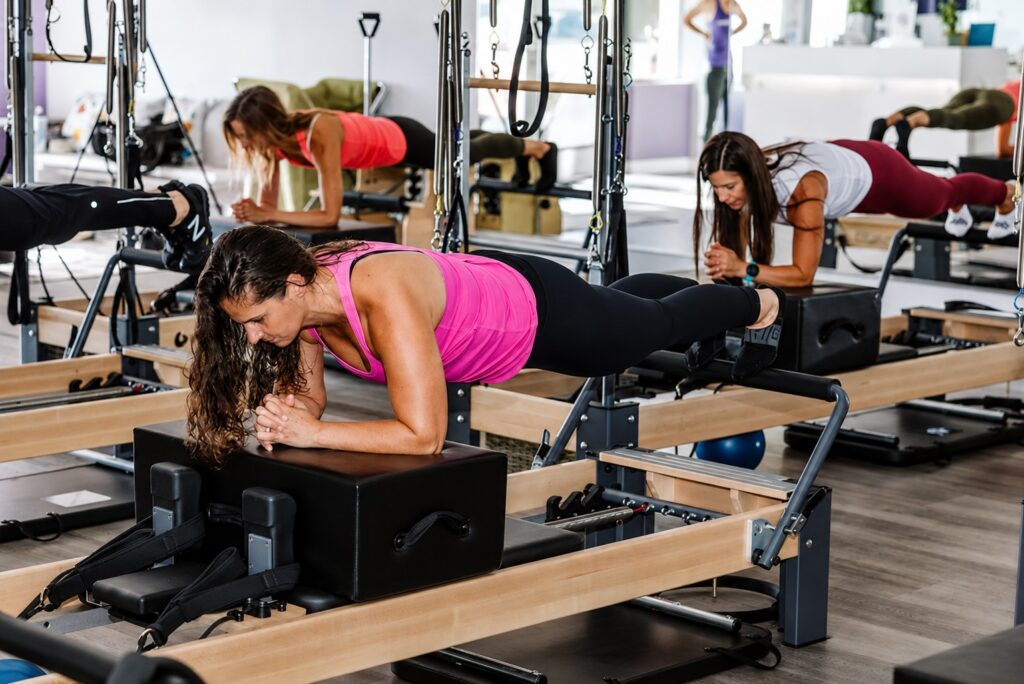
Chanda Fetter arrived at Pilates from the injury side of the profession, not the fitness side. She was a professional ballet dancer whose career was interrupted by repeated injuries, and her first exposure to the method was as rehabilitation, during a period when Pilates was not yet considered a form of exercise at all. That sequence explains why her studio treats the reformer as a device for placing resistance precisely, rather than as a trend.
The professional path that followed reinforced it. She moved to Santa Barbara for college, specialized in physical education, sports psychology, and anatomy with the intention of becoming a physical therapist, and supported herself at a local gym where she eventually managed the group exercise program for fifteen years. She proposed converting unused space in that facility into a private Pilates studio, the owners agreed, and the response convinced her that the gym setting was limiting what the work could do. Core Sport is the result of that decision, and it reaches twenty years of independent operation in February.
- Why reformer work allows the studio to load muscle while reducing the load traveling into joints, and who that opens the method to.
- How a two-suite operation separates roughly one hundred weekly classes from private and rehabilitation-minded training.
- Why Fetter measures body composition first and prioritizes muscle retention over scale weight.
- How instructor permission to adapt a session changes what happens when a client arrives pregnant or after a hip replacement.
- What a three-session weekly baseline is meant to accomplish, and why the studio pairs group classes with private work.
Fetter draws a hard line between two models. A franchise, in her description, exists to deliver quality control at mass scale, which requires distributing the same program across every location. Instructors receive the choreography on a form and teach what is on the form. She does not dismiss the model. She simply points out what it cannot do.
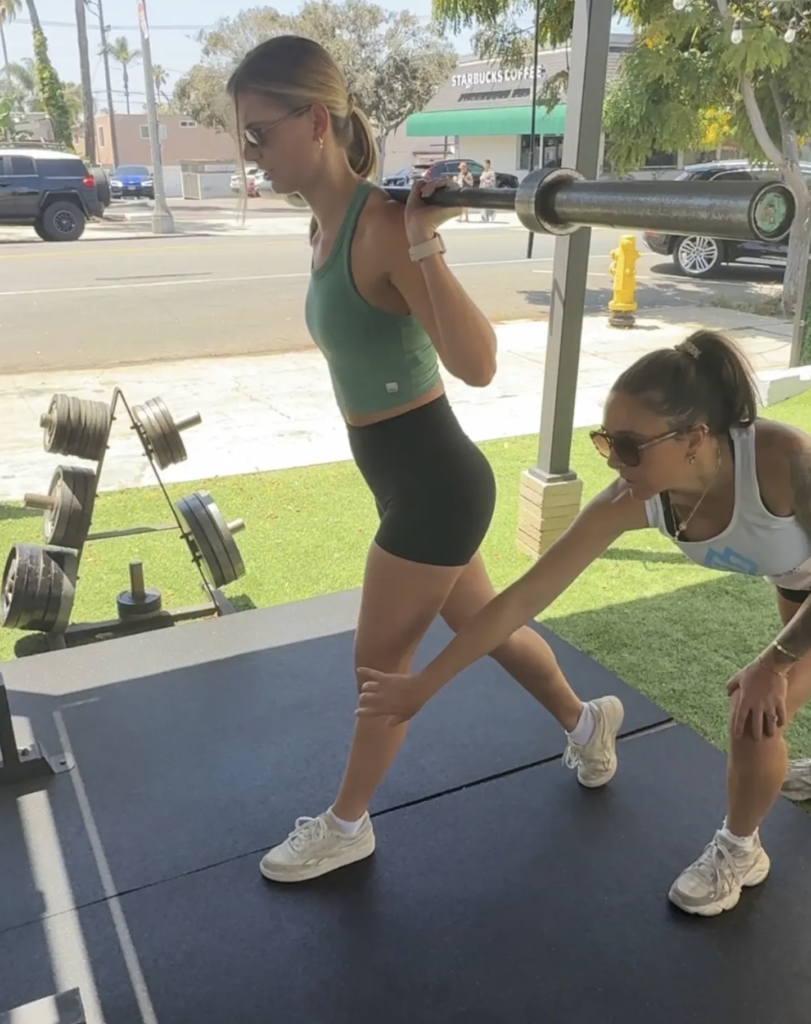
Her examples are specific. A client walks in eight months pregnant. Another has had a hip replacement. Anyone can memorize a form, she notes, but a scripted instructor lacks either the skill or the permission to work outside it. At Core Sport the instructor holds both, which means the session can change at the moment the client presents something the schedule did not anticipate.
That permission is also what allows the schedule itself to move. Fetter watches for gaps in what the local community is asking for and adds programming to meet them, without waiting for approval from a distant board. It is the practical benefit of independence, and it is the reason she describes her own retention figures as unusual for an industry she considers one of the most transient in the country.
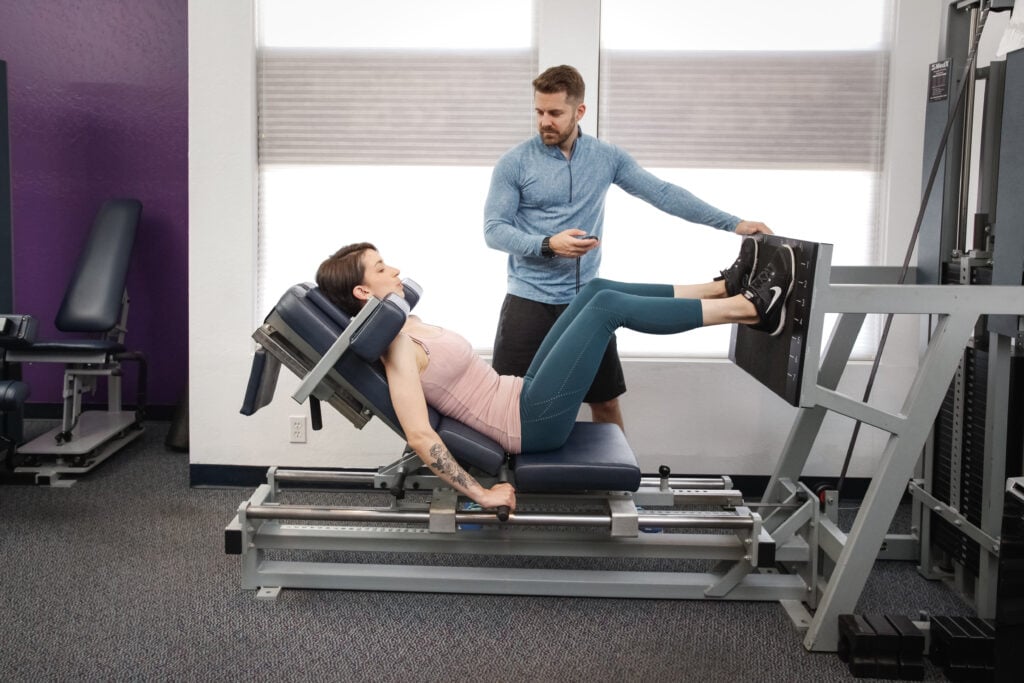
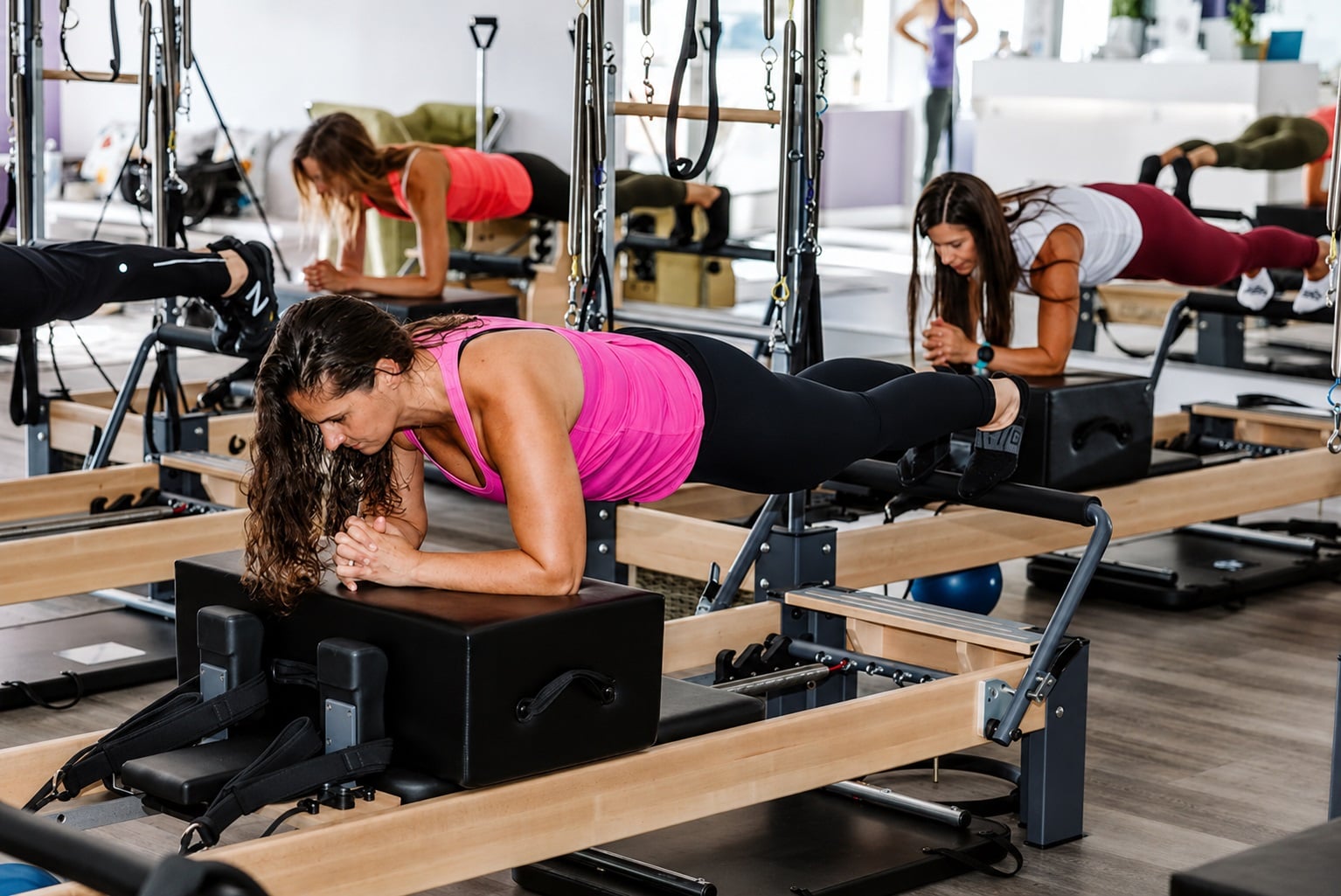
The technical argument Fetter makes for the reformer is straightforward. Most exercise is weight bearing. A client stands, loads the body, and that load travels through muscle, bone, and joint together, which is why early soreness so often includes joint discomfort. On the reformer, the client may be positioned on the back or in another supported orientation, and the resistance is directed into the muscle without the joint carrying the same burden.
The consequence is who can participate. As she describes its origins, the method was developed to address physical instability and to narrow the difference between a stronger and a weaker side of the body, which is a recalibration argument rather than a calorie argument. It also explains why she is comfortable claiming the method suits nearly anyone who walks in, which is a claim she is unwilling to make for combat sports or high-load training with a first-time participant.
That framing also corrects a misreading she has watched persist for years. Pilates was created by a man, initially for men recovering in an infirmary, and only later attached itself to dancers after its founder settled in New York. The studio serves a substantial number of male clients, and Fetter treats the assumption that the work is soft, dance-adjacent, or reserved for the already flexible as a barrier to be dismantled rather than a market to be conceded.
Fetter sets three sessions a week as the working baseline, and her reasoning is about motor learning rather than energy expenditure. A client training once a week spends much of each session relearning the movement. Repetition is what teaches the body to hold the pattern, which is the same logic that applies to any sport a person is trying to improve at.
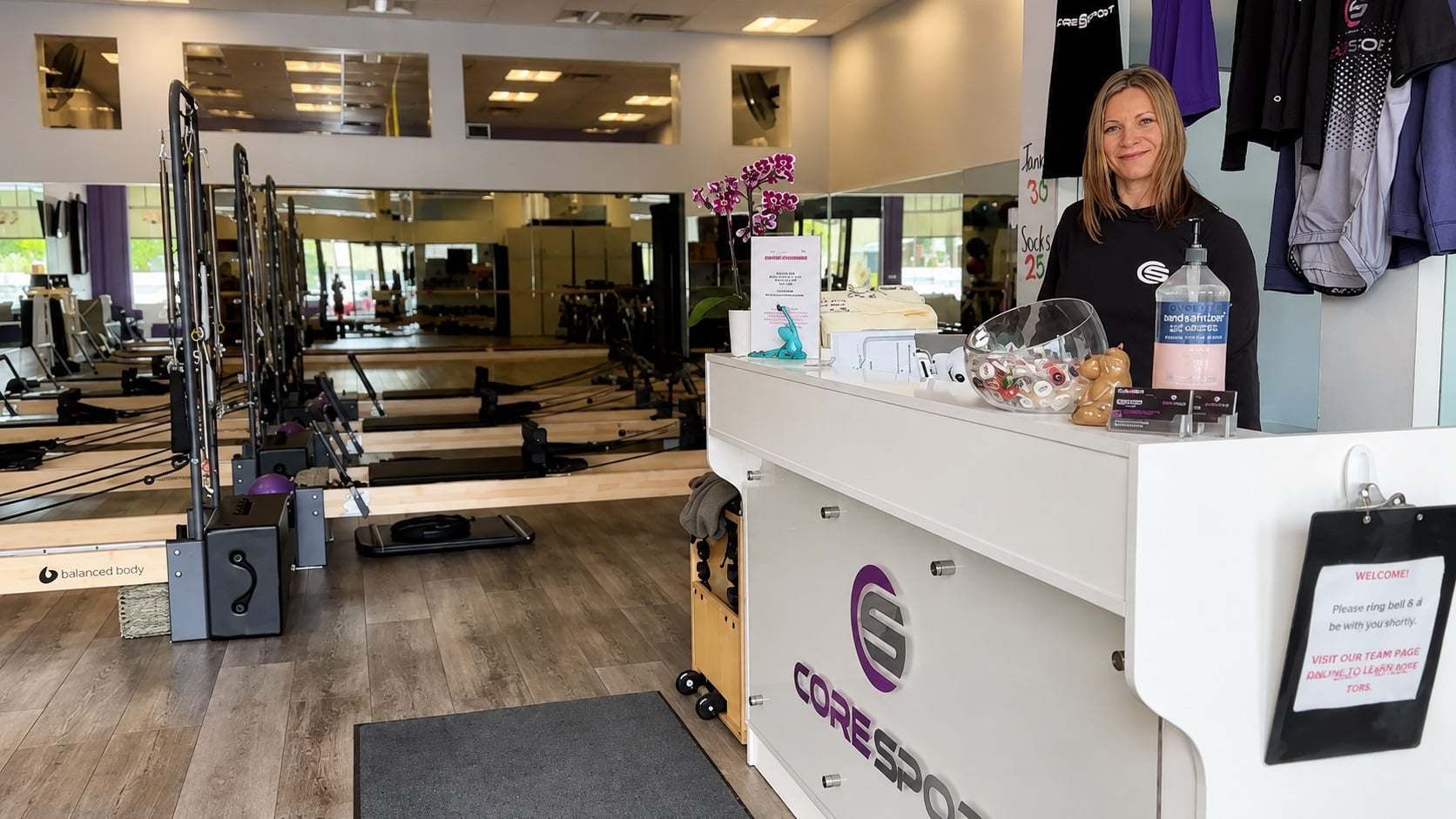
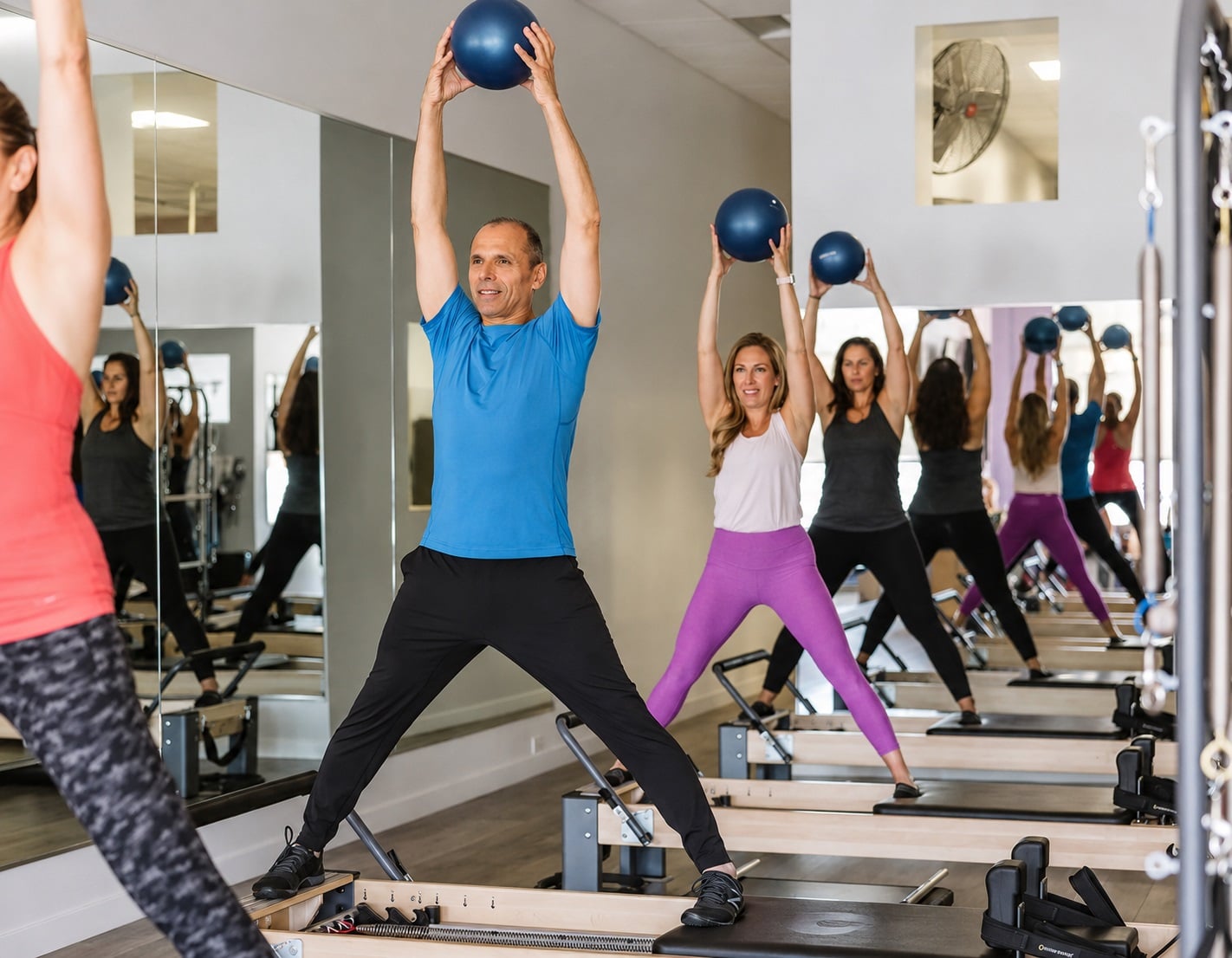
The schedule is deliberately wide enough to make that frequency realistic. With close to one hundred classes each week across roughly fifteen programs, a client can build three sessions from formats that suit different days and different bodies. Reformer work sits at the center. Barre, TRX, spinning, mobility, weight training, and pelvic floor specialization surround it.
The pairing Fetter considers most effective combines both suites. Group classes supply frequency, rhythm, and community. Private sessions in the wellness suite address the individual goal, the specific limitation, and the technical refinement a class cannot provide. Her observation is direct: the clients who progress most are the ones straddling both.
A reformer is an intimidating object to a newcomer, and the studio treats that as a design problem rather than a personality problem. Several free reformer-specific classes run each week for the sole purpose of orientation. Clients learn the machine, learn what the exercise is asking of them, and learn what they should be feeling.
Fetter emphasizes the second half of that lesson more than the first. Knowing what a movement is not supposed to feel like is what allows a client to self-correct between sessions, and it is what separates informed participation from imitation. In her account, that same instruction is what makes the studio comfortable working with clients who arrive protecting a limitation, though she is clear that anyone training around an injury should be under the guidance of a qualified professional.
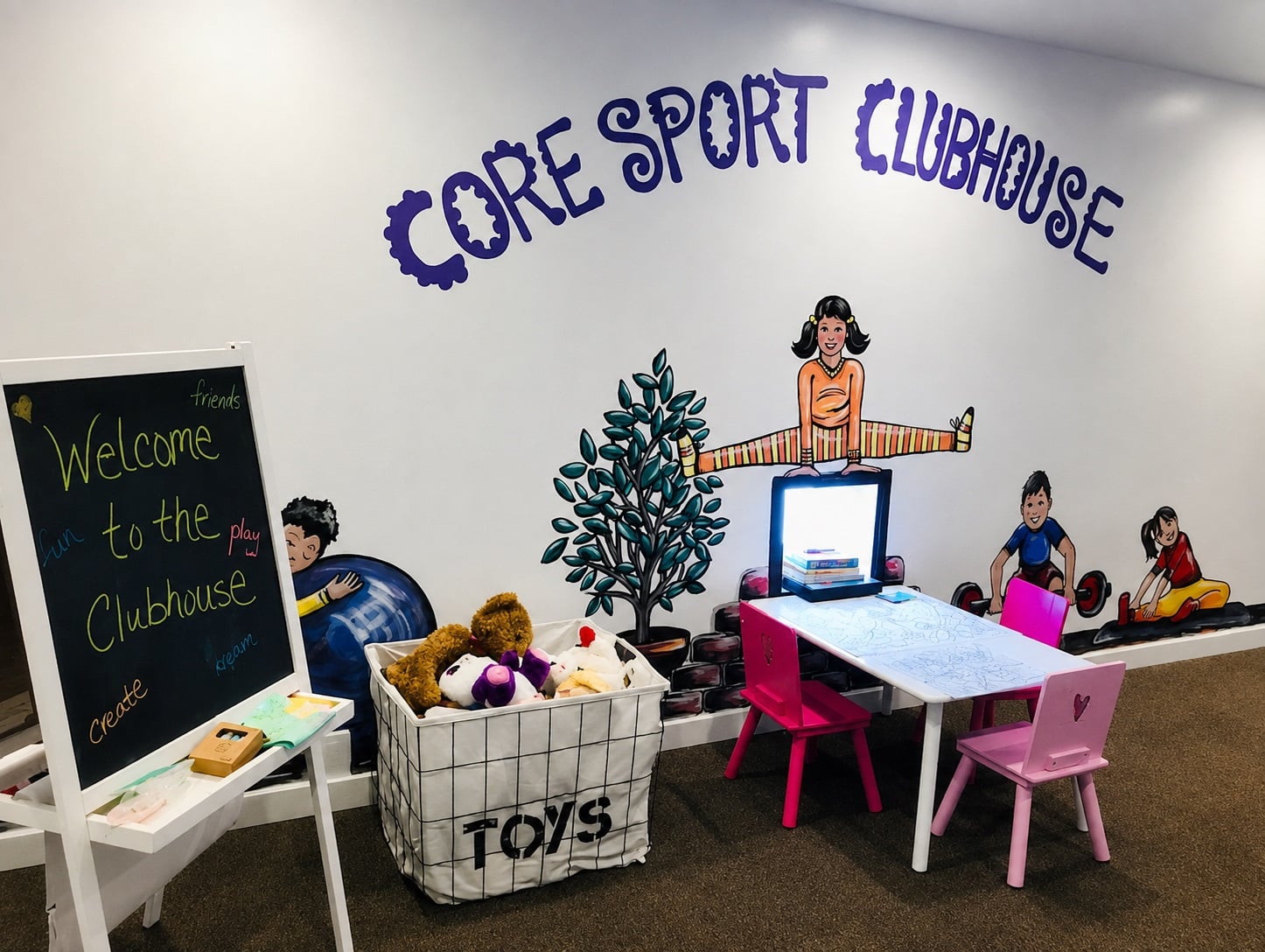
The social side of onboarding is equally deliberate. New clients are paired with someone so they have a familiar face at their first class. Fetter, who also studied sociology, reads people quickly and uses that reading to decide how much to prescribe at once, on the reasoning that too many instructions in the opening weeks produce avoidance rather than progress.
The studio operates a body-composition analysis machine, and Fetter uses it as a diagnostic instrument rather than a marketing device. The reading establishes what she is working with, which allows her to prescribe accurately instead of guessing. It also reframes what a client is being asked to chase.
Her position on this is unusually firm for a boutique studio. Anyone can lose weight, she argues, but muscle is the difficult thing to build and hold, and it is the tissue that carries strength and metabolic capacity. So the studio’s in-house challenges are built around muscle gain rather than scale loss. She also makes a psychological case for it: a goal framed around losing something implies that something about the person is wrong, and that framing turns training into a chore.
The most recent summer challenge illustrates what the approach can produce. The client who placed first was over sixty, and over the course of a month she gained three pounds of muscle while reducing fat weight. Fetter notes the context that makes the result meaningful: adults in that age range more typically lose roughly a pound of muscle per year. The outcome belongs to that client and is not offered as a promise to anyone else, but it demonstrates what the studio is actually trying to move.
Fetter recently ran a competitive analysis across the Pilates studios in her area to check her pricing, programming, and visibility. Her own conclusion from that exercise concerned staff more than price. By her count, combining the tenure of her key instructors produces a figure above one hundred years, drawn from athletic backgrounds, personal practice, and teaching histories across multiple facilities.
She contrasts that with a certification cycle she has watched compress to about a week in some corners of the industry. The economics behind it are not lost on her either. Instructors in fitness are frequently asked to fund certifications that cost more than the teaching returns, which is a structural reason capable people leave the profession.
Her own resource allocation follows from that. She would rather pay her people for their time and their skill than pay an agency to broadcast her message, which she acknowledges is a real cost. An independent studio without a marketing budget can disappear online quickly. Her calculation is that a well-trained instructor who can adapt to the client in front of her retains business more reliably than paid reach acquires it.
The studio’s durability was tested under conditions few operators face. Fetter signed a lease for a larger facility in January 2020 and committed her savings from fifteen years of prior management to the build-out. Two months later the world closed, the construction stopped, and the money was already spent. She also had a substantial book of unserviced revenue from clients who had paid in advance.
After roughly six months of closure, she approached the mayor of Santa Barbara at the time and received permission to operate as an essential business for physical therapy rehabilitation. She reopened and served the clients who had already paid, earning nothing new on that work. The private training side of the business grew substantially out of that period, and when restrictions lifted she had more demand than her space could hold.
A second unit in Loretto Plaza became available, and her application to take it was accepted. That is how the two-suite structure exists at all. By her own accounting, the studio roughly tripled in physical footprint and moved from about three hundred thousand dollars in annual revenue to roughly one and a quarter million in the years since reopening.
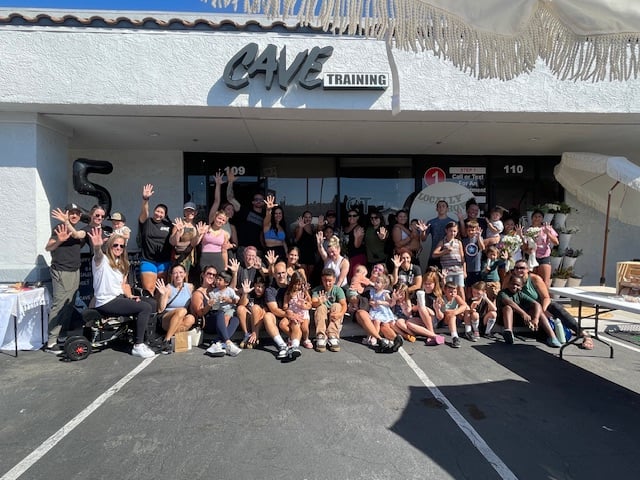
The figure she treats as the real proof is retention, which she places around eighty-five percent, with many clients dating back to the studio’s opening. In a category she describes as trendy and transient, and in a city where a person can train outdoors nearly every day of the year, keeping people indoors for years is a harder result than growth.
- Core Sport is an independently owned Pilates and wellness center in Loretto Plaza, Santa Barbara, led by Chanda Fetter and approaching twenty years of operation.
- The method rests on reformer-based load placement, directing resistance into muscle while limiting what the joint is asked to carry.
- Body-composition measurement sets the baseline, and programming prioritizes muscle retention and gain rather than scale weight.
- Two suites divide the operation: roughly one hundred weekly classes across about fifteen programs, and a wellness suite for private training and recovery-minded work.
- Instructors are permitted to adapt sessions in real time, which Fetter identifies as the practical difference between her studio and franchise-format competitors.
Fetter tells the instructors she certifies that this is just exercise, and she means it as a corrective. The industry has built an enormous amount of complexity on top of a body that has not changed. Anatomy is anatomy. What actually requires expertise is identifying a person’s limitation, improving it, and giving them enough independence to trust their own body again.
What twenty years in Santa Barbara have produced is not a larger brand. It is a studio where the schedule can change when the community changes, where an instructor can rewrite a session for the person who walked in, and where the measurement on the wall tracks muscle rather than a number a client has been taught to fear. Those are operating choices, and they are the reason clients from the first year are still on the books.
Fetter’s preference is to meet in person, which she treats as an advantage of practicing in a city small enough to allow it. The wellness consultation is where she asks the questions that determine everything else: what the goal is, whether there is pain, what a physician has advised, and what the week realistically allows. It includes a body-composition reading so the studio is working from a baseline rather than an assumption.
Readers who prefer to start on the equipment can attend one of the free reformer orientation classes offered each week. Many clients then use the seven-day trial to test the schedule against their own week before moving into a membership or a package, both of which the studio maintains so that irregular schedules are not forced into a monthly commitment.
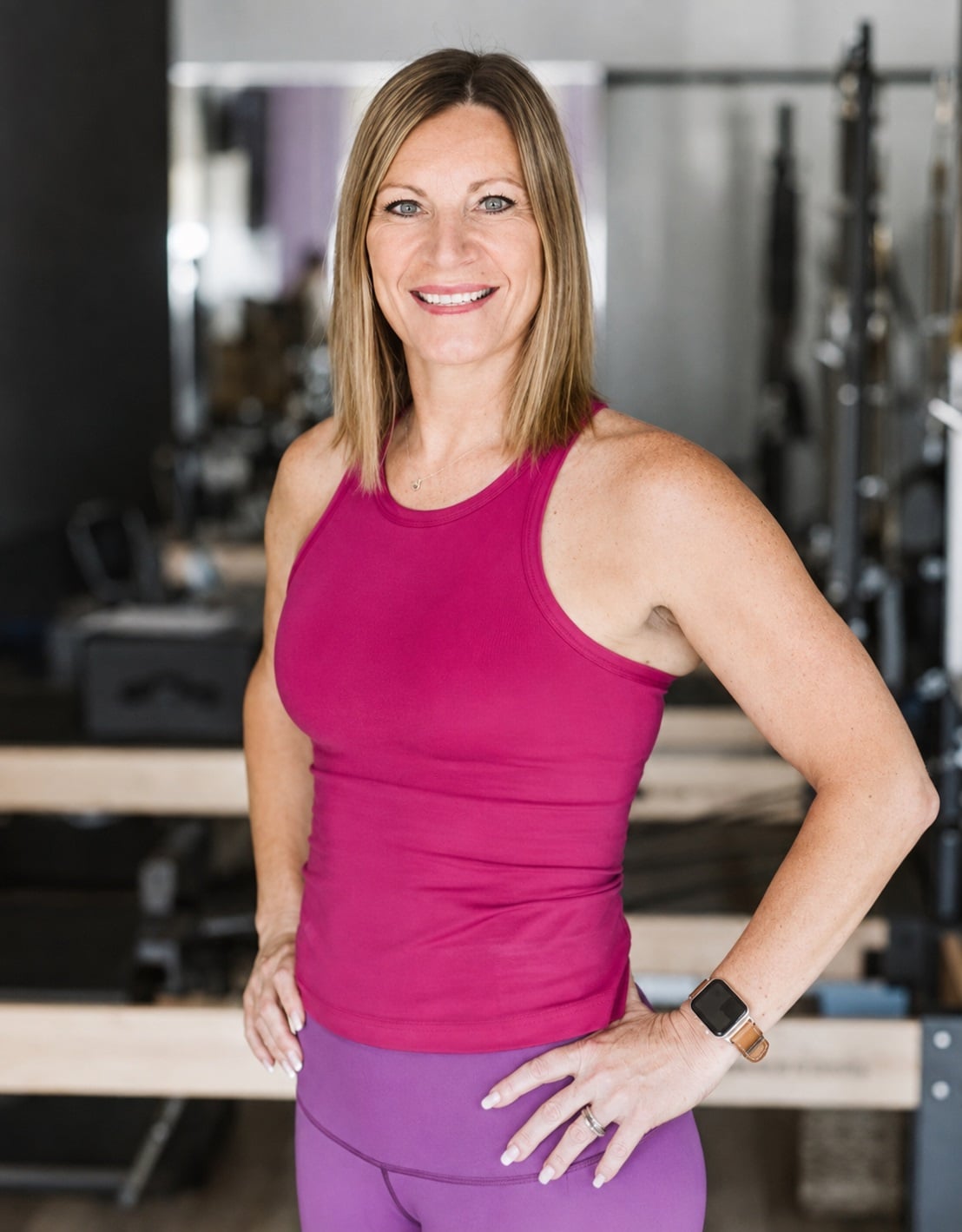
Chanda Fetter came to Pilates as a professional ballet dancer using it to recover from injury, then studied physical education, sports psychology, and anatomy at UCSB while managing group exercise programming at a local gym for fifteen years. She introduced Pilates to that facility, left to open her own studio, and has since built Core Sport into a two-suite Pilates and wellness center in Loretto Plaza. Her authority in this feature rests on the operating decisions she still controls personally: how the schedule is built, how instructors are permitted to adapt, and how progress is measured.
Reporting for this feature drew on the recorded editorial interview with Chanda Fetter, context supplied by Core Sport, the studio’s official website, and image and logo assets provided for publication. The editorial review concentrated on reformer instruction, schedule construction across the studio’s two suites, body-composition measurement practice, instructor adaptation, and the access path recommended for new clients.
Business figures, retention estimates, staff experience totals, and client outcomes appear as described by the studio owner during the interview and are reported as her account rather than independently audited data. This article is editorial coverage. It is not medical, rehabilitation, nutrition, or individualized training advice. No medical claims, guaranteed outcomes, fabricated credentials, unsupported testimonials, or unsupported transformation promises are made.