


Misfit Strength & Circus: Inside the Training Methods Behind Sustainable Progress
Location: Seattle, Washington
Founder / Training Lead: Kyla Helgeland Alexander
Business Type: Inclusive strength and mobility studio offering one-on-one personal training, beginner lifting classes, progressive group training, circus arts instruction, and recovery services
Training Focus: Mobility-stability-strength hierarchy, hypermobility-aware programming, core and pelvic floor integration, progressive overload, neurodiversity-inclusive coaching, and circus arts as goal-anchored fitness motivation.
M&AView Contents
A structured guide to the training methods, coaching standards, progression system, client experience, and evidence examined in this Authority Spotlight.
Kyla Helgeland Alexander did not set out to become a strength coach through a conventional path. She came to fitness the way many of her clients come to her out of necessity, without a roadmap, and with a body that needed to be learned rather than simply pushed. The early experience of rebuilding strength after having children, combined with years of formal study as a midwife and extensive self-directed education in movement science, gave her a clinical foundation that most strength coaches never develop.
That foundation is what Misfit Strength & Circus runs on. The studio she and her husband built in Seattle, Washington is not a general-purpose gym with a welcoming slogan attached. It is a precision coaching environment, shaped around a client population that experiences injury, pain, hypermobility, neurodivergence, and pelvic floor dysfunction at rates that most training businesses are not equipped to address.
- Why the mobility-stability-strength hierarchy is the operational backbone of every program at Misfit Strength & Circus.
- How hypermobility-aware prep protocols change the warm-up from routine to clinical necessity.
- Why core and pelvic floor integration is not a specialty add-on but a foundational coaching standard at the studio.
- How circus arts serve as goal-anchored motivation, giving clients a reason to get stronger that extends beyond the weight room.
- What makes the local position of Misfit Strength & Circus distinct, and why it serves clients who have not found a comfortable fit elsewhere.
Most fitness businesses begin with strength and work backward. Misfit Strength & Circus begins with mobility and earns the right to strength. The distinction is not semantic. For the studio’s client base which Alexander estimates is approximately 90 percent hypermobile to varying degrees skipping that sequence produces the exact outcomes clients are trying to avoid: pain, instability, and regression.
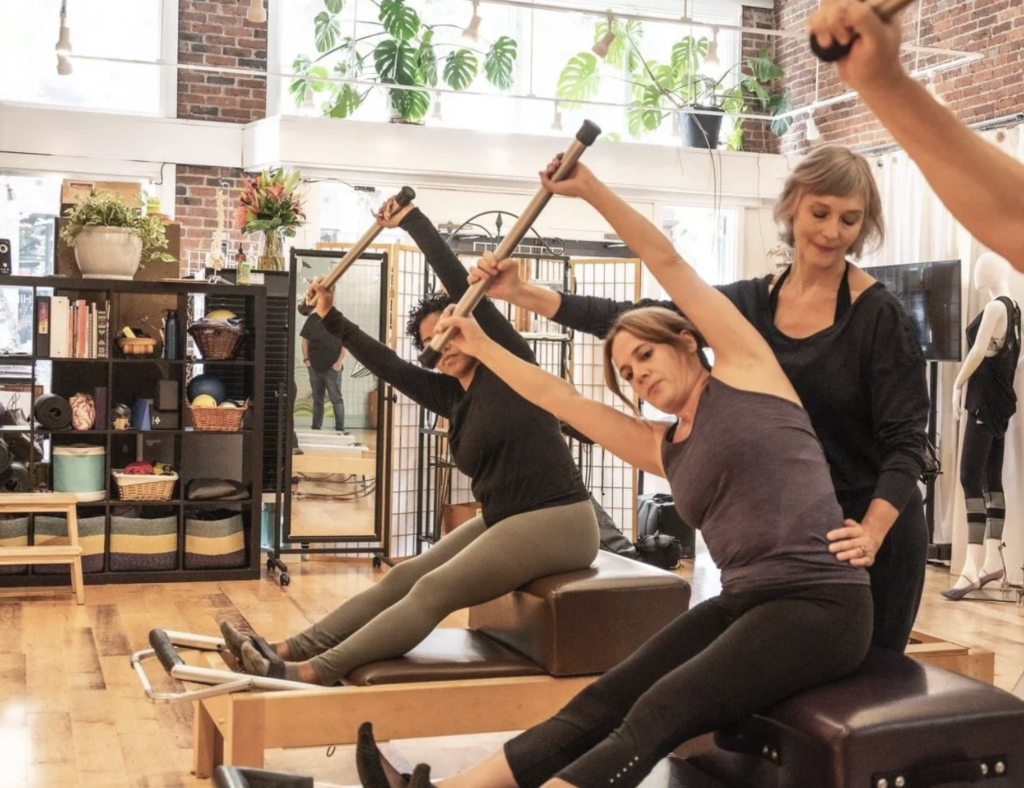
The mobility-first tier is not passive stretching. It is a clinical assessment of whether a joint can move through its required range of motion without compensation. If a shoulder is forward-rounded with overactive anterior muscles and underactive posterior stabilizers then loading a pressing pattern compounds the imbalance rather than correcting it. Alexander’s approach addresses the imbalance first: lengthening what is tight, strengthening what is underactive, and only then progressing to load.
The stability tier follows. A client who has range of motion but cannot control movement through that range is not ready to add external resistance. Stability work builds the neuromuscular foundation that allows strength training to be genuinely productive and safe rather than simply strenuous.
Hypermobility creates a coaching challenge that is easy to misread. A client with hypermobile joints may appear flexible, capable, and ready to train. The problem is that range of motion without muscular control is not an asset it is a liability. Joints that can move into extreme ranges without the surrounding musculature to stabilize them are joints that are vulnerable to injury under load.
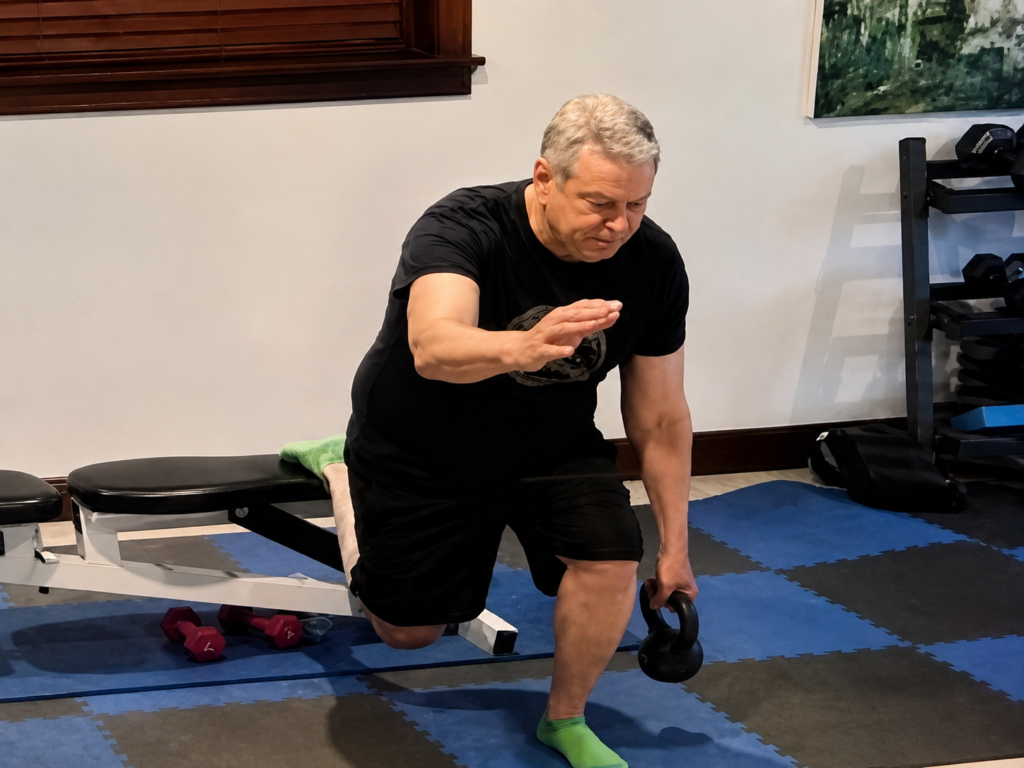
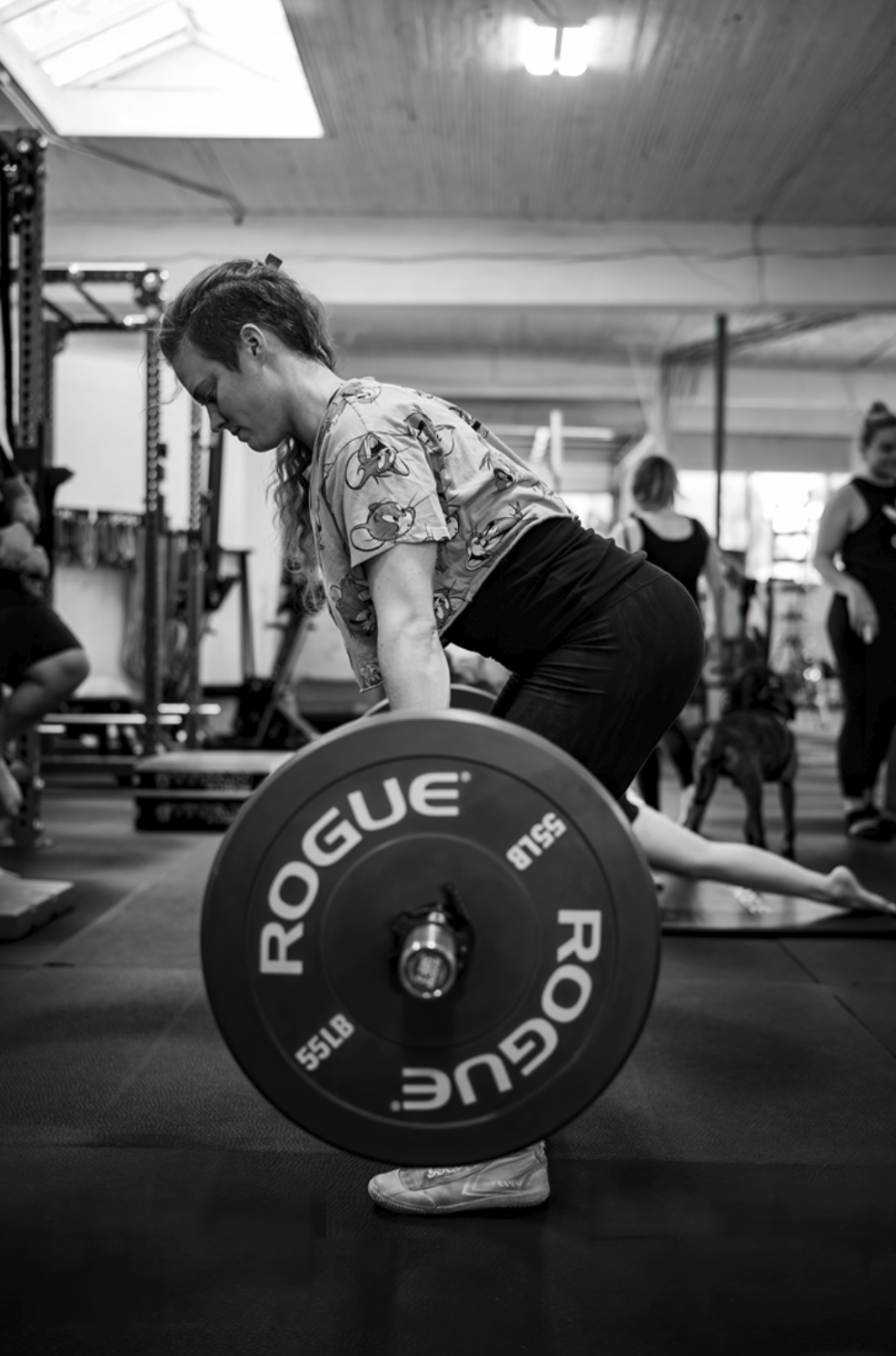
Alexander’s response is a structured pre-activation protocol. Before a primary compound movement a squat, a deadlift, a press the session includes targeted work to activate the specific muscles that need to be firing during that movement. If the primary lift is a squat, the prep work engages the hamstrings, glutes, and core. The objective is not to fatigue those muscles before the main lift. It is to bring them online before external load is introduced.
This approach is not standard practice in most group fitness environments. At Misfit Strength & Circus, it is foundational the clinical response to a client population whose primary risk factor is not insufficient range of motion but insufficient control within that range.
One of the most distinctive elements of Alexander’s coaching model is the integration of pelvic floor function into standard strength programming. This is not a niche specialty layered onto an otherwise conventional training approach. It is a central component of how every client learns to breathe, brace, and move under load.
The clinical foundation comes from Alexander’s background as a retired midwife with continuing education in core and pelvic floor function. Issues like low back pain, hip pain, and pelvic floor dysfunction that presents as leaking during exercise are commonly normalized treated as inevitable consequences of age or childbearing. Her view is more precise: these are often addressable problems, and strength training, when applied correctly, is a primary tool for addressing them.
Every client at the studio learns how to breathe. They learn how to engage the deep core muscles. They learn how that engagement transfers into a loaded squat or deadlift. That is not a modification for a compromised client. It is the coaching standard for every client, because managing intra-abdominal pressure correctly is the foundation of safe and effective lifting regardless of starting point.
One of the more unusual features of Misfit Strength & Circus and one of its most strategically intelligent is the integration of circus arts into the studio’s programming. Alexander is an aerialist. Her husband and co-founder share that background. The circus classes are not a quirky add-on designed to differentiate the studio in a crowded market. They are the product of a genuine conviction about what sustains long-term training motivation.
Getting stronger for the sake of getting stronger is a legitimate goal. But it is not a goal that sustains most people through months and years of progressive training. What sustains them is wanting to do something specific that requires strength. A handstand. Aerial silks. Partner acrobatics. A bungee class. These are skill-based, visually compelling, socially engaging activities that create a clear reason to keep showing up.
The circus programming spans beginner handstands, beginner partner acrobatics, introductory aerial classes, rope, static trapeze, lira, and bungee. Most classes are designed for beginners the entry point needs to be accessible to the same people who walk in for their first lifting class.
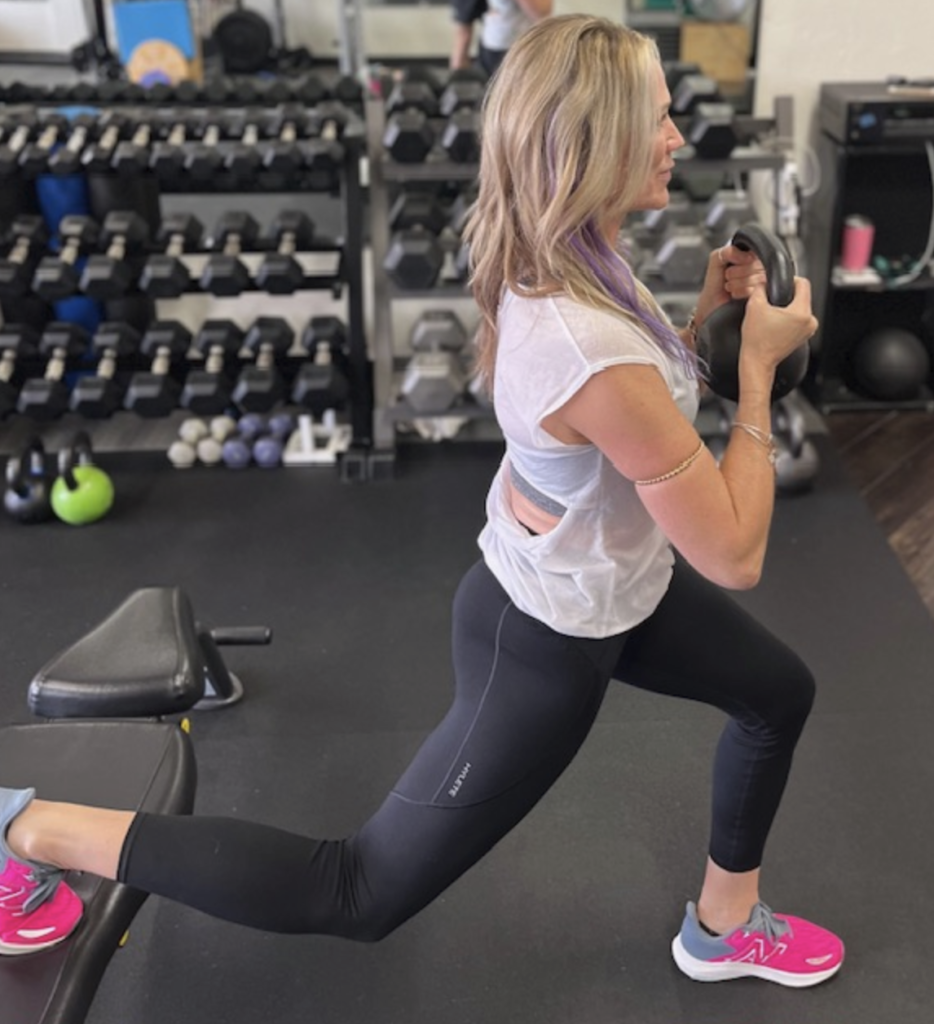
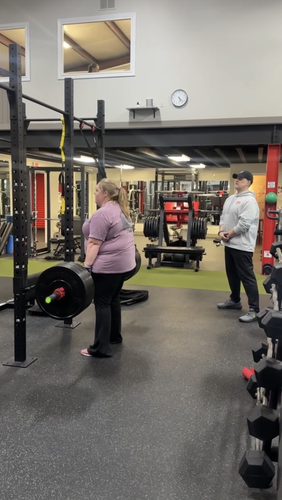
Once a client has the mobility to move safely and the stability to control that movement, the studio’s programming turns to the foundational principle of strength development: progressive overload. The weight must increase over time. Without that progression, adaptation stalls.
Alexander references Kilo Strength methodology as an influence a system that emphasizes structured periodization, multi-angle joint loading, and deliberate variation in rep ranges across training blocks. A client might spend time working sets of twelve to build movement quality and hypertrophy, then shift to sets of eight for strength adaptation, then to sets of six for more concentrated neural strength development, before cycling back.
The multi-angle principle applies across movement patterns as well. Pressing is not just overhead it is also incline, flat, and decline, because different angles develop different portions of the musculature and create more balanced joint loading over time.
The outcomes Alexander describes are not about dramatic before-and-after metrics. They are about the quiet, meaningful changes that tell a coach the work is actually working. A postpartum client who came in with unresolved low back and hip pain that multiple rounds of physical therapy had not addressed and who now reports significantly less pain, more control, and better function in daily life. A client who can lift their own luggage into an overhead compartment without assistance. The small, ordinary physical competencies that people stop noticing until they lose them.
In the first sixty to ninety days, Alexander’s primary objective is not a dramatic physical transformation. It is the establishment of three things: improved stability and core connection, reduced pain for the clients who arrive with it, and increased confidence in the gym environment.
For clients with body composition goals, the studio supports those goals within a framework that does not treat weight loss as the definition of fitness. Programming that builds lean muscle mass serves virtually every goal a client might arrive with and often requires eating more protein and more calories than the client expects, not less. That insight is itself a coaching intervention.
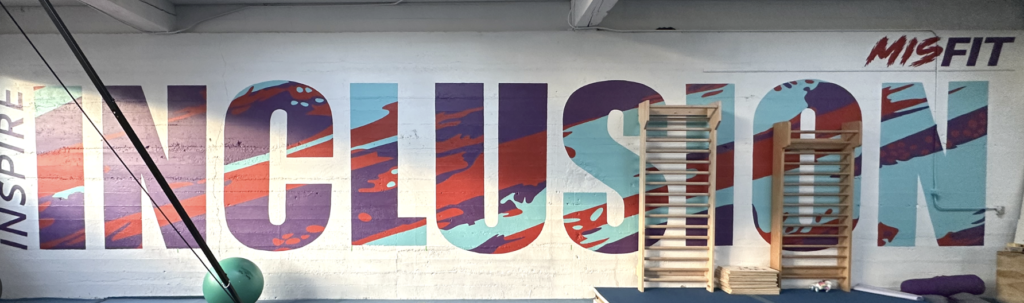
The name Misfit was chosen deliberately. Alexander and her team see themselves as belonging to the same category as many of their clients: people who did not fit neatly into conventional fitness spaces, who had needs or backgrounds or identities that the standard gym environment was not designed to accommodate. The studio is their response a space built from the inside out, by people who understood the gap because they had felt it.
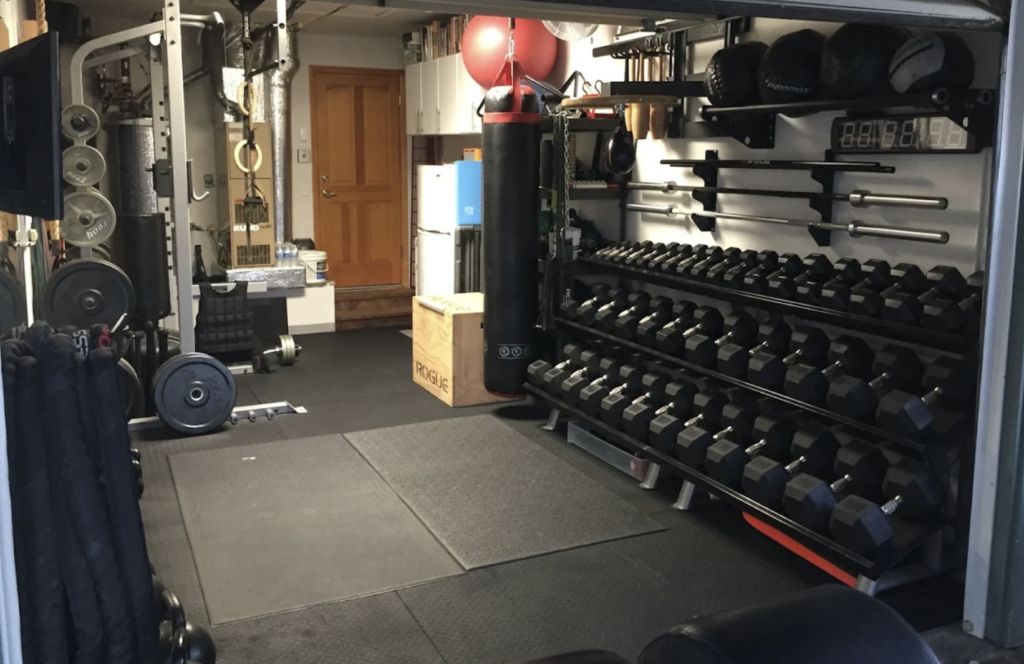
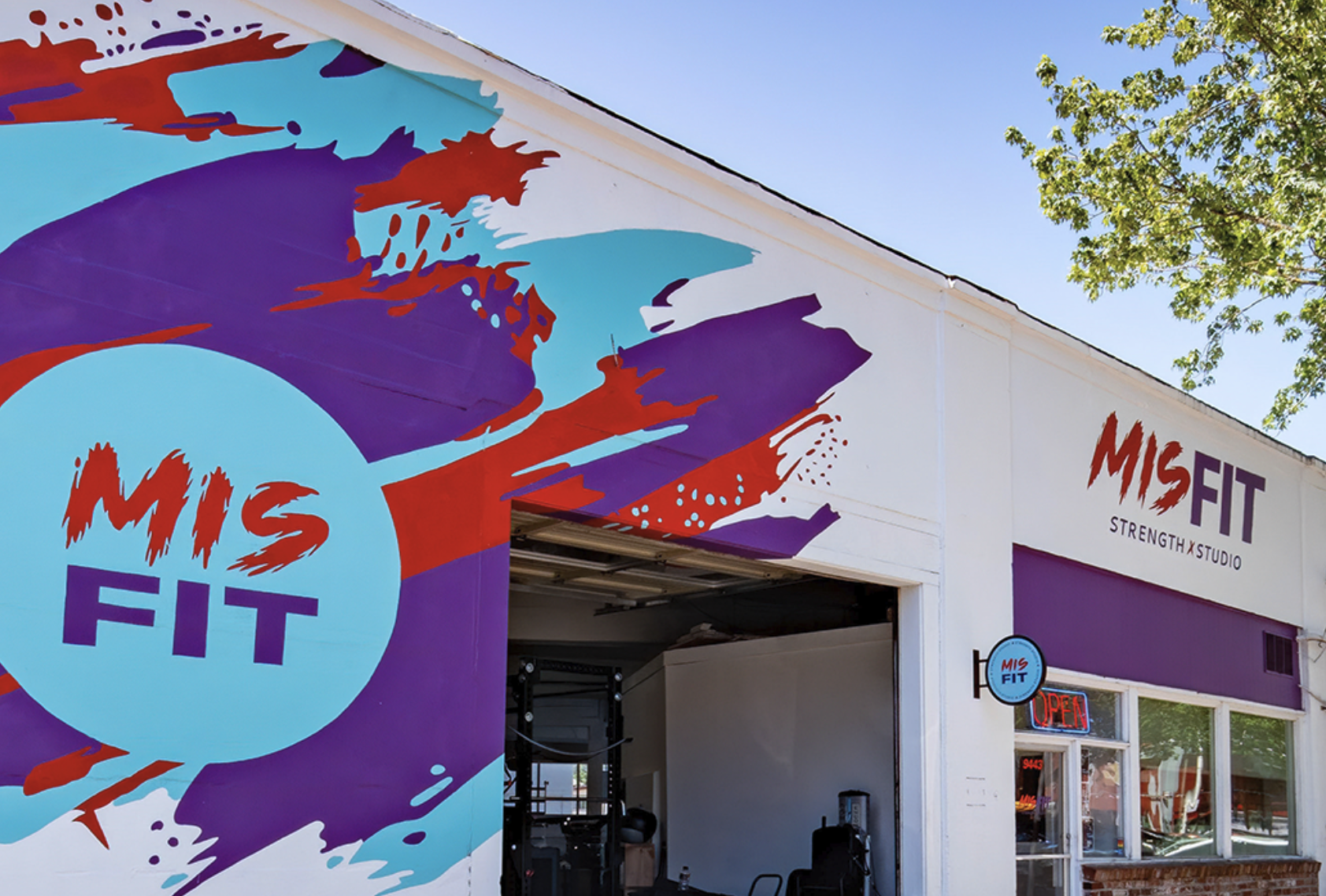
The physical environment reflects that philosophy. Each squat rack is a different color. Pride flags are visible. The studio’s social media and website messaging explicitly names the populations it serves neurodivergent clients, hypermobile clients, people with chronic pain and injury histories because Alexander knows that those clients will not walk through the door unless they see something that signals they are expected.
The studio currently serves an estimated 100 to 150 clients across its various program offerings, and the reservation-based model keeps session sizes controlled. Smaller sessions allow coaches to observe, correct, and adapt. They allow clients to feel known rather than managed. The studio is actively expanding its equipment capacity, but the identity of the training environment attentive, specific, human is not something Alexander is interested in scaling away.
MARKET POSITION
That position is built through hypermobility-aware programming, core and pelvic floor education, circus arts, and an intentionally inclusive studio environment. The result is a training model that feels specific, thoughtful, and personal rather than generalized, high-volume, or conventional.
- Misfit Strength & Circus is led by Kyla Helgeland Alexander, a retired midwife and aerialist whose clinical background directly informs the studio’s coaching standards.
- The training model is built on a three-tier hierarchy: mobility first, stability second, and strength third, applied consistently across all programming.
- Approximately 90 percent of the studio’s clients present with hypermobility, and the programming reflects a specialist-level understanding of how to train that population safely and effectively.
- Core and pelvic floor integration is a coaching standard at the studio, reflecting Alexander’s continuing education in clinical movement function.
- Circus arts programming, from beginner handstands to aerial and lira, serves as goal-anchored motivation that gives clients a concrete, compelling reason to build strength over time.
Misfit Strength & Circus is not a gym for people who already know how to train. It is a studio for people who need to learn and who may have been quietly told, by the environments and standards and aesthetics of conventional fitness, that they do not belong. The studio’s authority comes from the clarity with which it rejects that message and the precision with which it builds an alternative.
For readers who want a training environment built on method rather than spectacle one that begins with an honest assessment of the body in front of the coach and builds from there the standard at Misfit Strength & Circus is worth understanding.
For readers who feel connected to the Misfit Strength & Circus approach, the first step does not require a commitment. It requires a conversation about pain history, hypermobility, neurodivergence, movement goals, and what kind of starting point makes the most sense.
The studio offers a free consultation visit for anyone considering strength coaching, along with a free first class for those who want to experience the training environment first. Both options give new clients a way to ask questions, understand the method, and decide whether Misfit is the right fit.
Explore Misfit Strength & Circus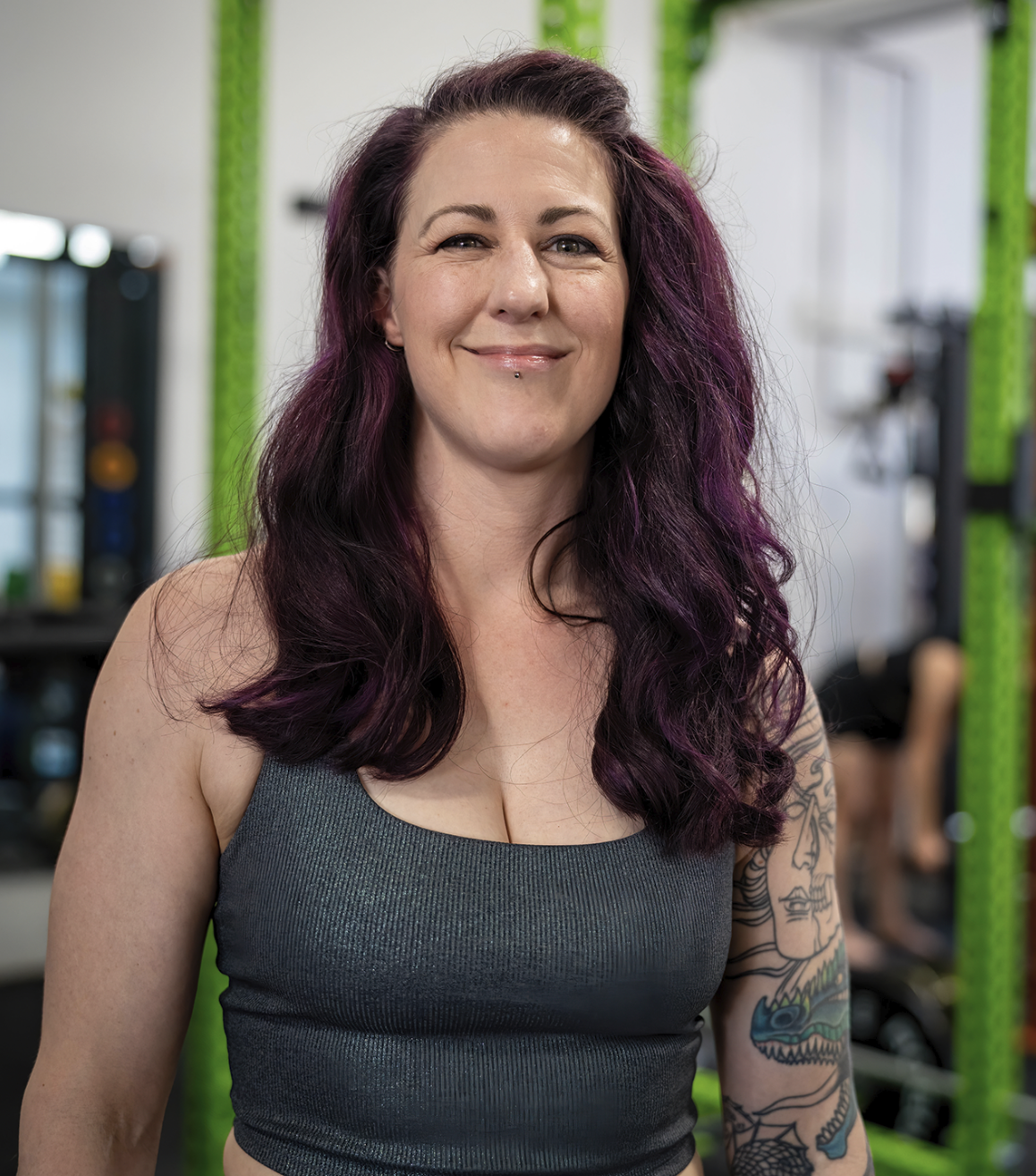
Kyla Helgeland Alexander is the founder and training lead behind Misfit Strength & Circus in Seattle, Washington. A retired midwife with extensive continuing education in core and pelvic floor function, an aerialist and circus arts instructor, and a strength coach trained in progressive overload programming and hypermobility-aware coaching, she built the studio around a three-tier training hierarchy that addresses what the body needs before asking what it can lift.
This Muscle & Authority Magazine™ feature was editorially prepared from a recorded Fitness Living Magazine™ interview with Kyla Helgeland Alexander, official Misfit Strength & Circus source material, the official Misfit Strength & Circus website, and provided image and logo assets. The article focuses on training philosophy, coaching standards, program structure, client experience, and local authority.
Training descriptions, coaching philosophy, program references, specialty expertise details, and first-step recommendations reflect the interview, the business-provided context, and public-facing website information reviewed for editorial clarity. This article is editorial in nature and does not provide medical, rehabilitation, pelvic floor, or individualized training advice. No medical claims, guaranteed outcomes, fabricated credentials, fake testimonials, or unsupported transformation promises are made.
Sources
- Recorded Fitness Living Magazine™ interview with Kyla Helgeland Alexander, founder of Misfit Strength & Circus.
- Official Misfit Strength & Circus website: https://www.misfitstrengthstudio.com
- Business-provided Misfit Strength & Circus source material and visual assets.
- Standard of Membership / First Step response extracted from Kyla Helgeland Alexander’s interview.
- Location reference: Seattle, Washington.