


Location: Santa Cruz County, California, just outside the city of Santa Cruz
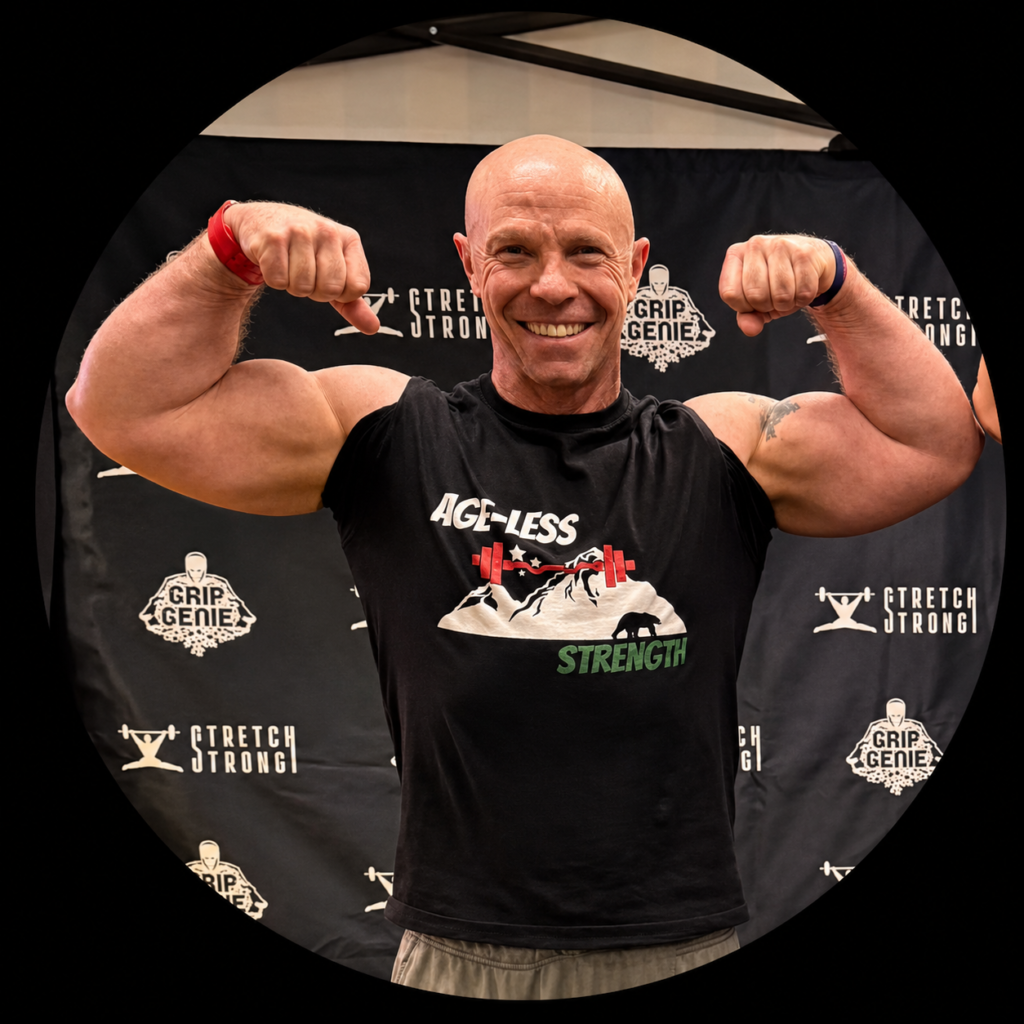
Founder / Training Lead: Dan Fenwick
Interview Source: Dan Fenwick, recorded editorial interview
Business Type: Private strength and conditioning gym offering one-on-one and small group training in a purpose-built training room
Training Focus: Kettlebell instruction, powerlifting, general conditioning, mobility observation, age-appropriate progression, logbook literacy, and training around existing limitations.
M&AView Contents
A structured guide to the training methods, coaching standards, progression system, client experience, and evidence examined in this Authority Spotlight.
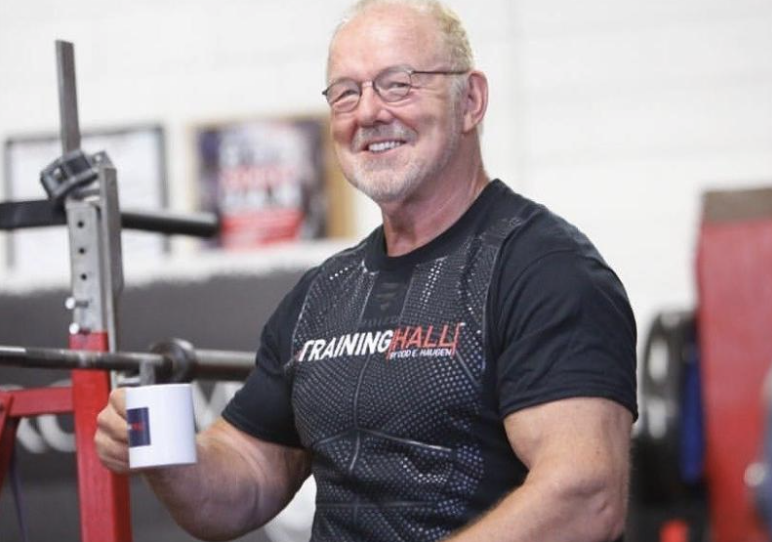
Dan Fenwick spent roughly twenty-five years writing software at Apple before walking away from it at fifty-one. He describes that career without romance. The work was technically demanding and largely invisible, and by 2009 he had lost the sense that it mattered to anyone who used it. What he did have was a habit of studying things until they yielded, and a growing interest in the mechanics of strength.
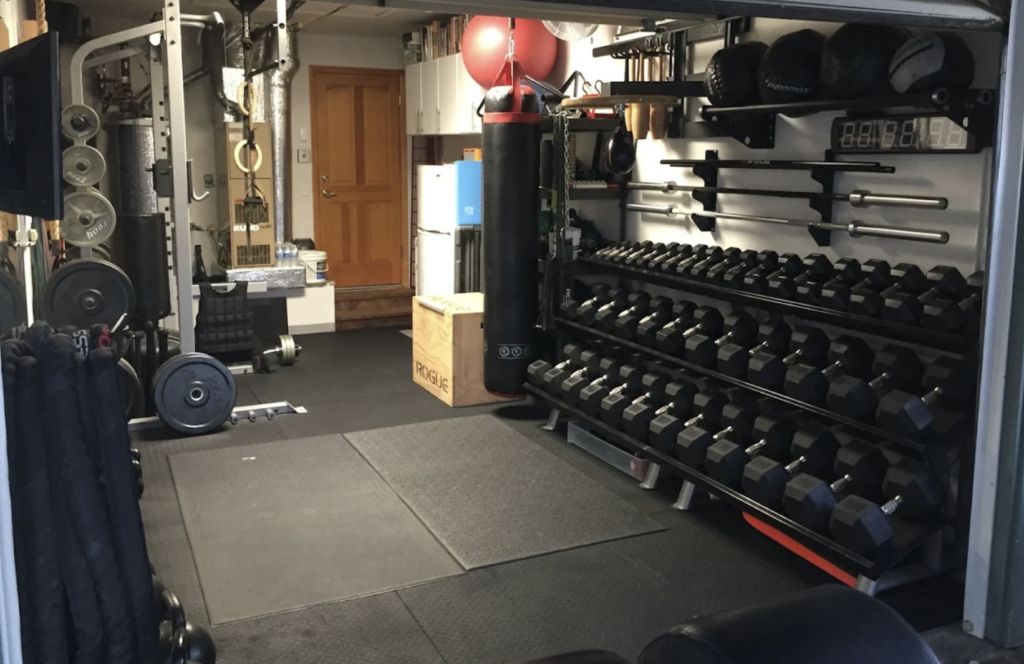
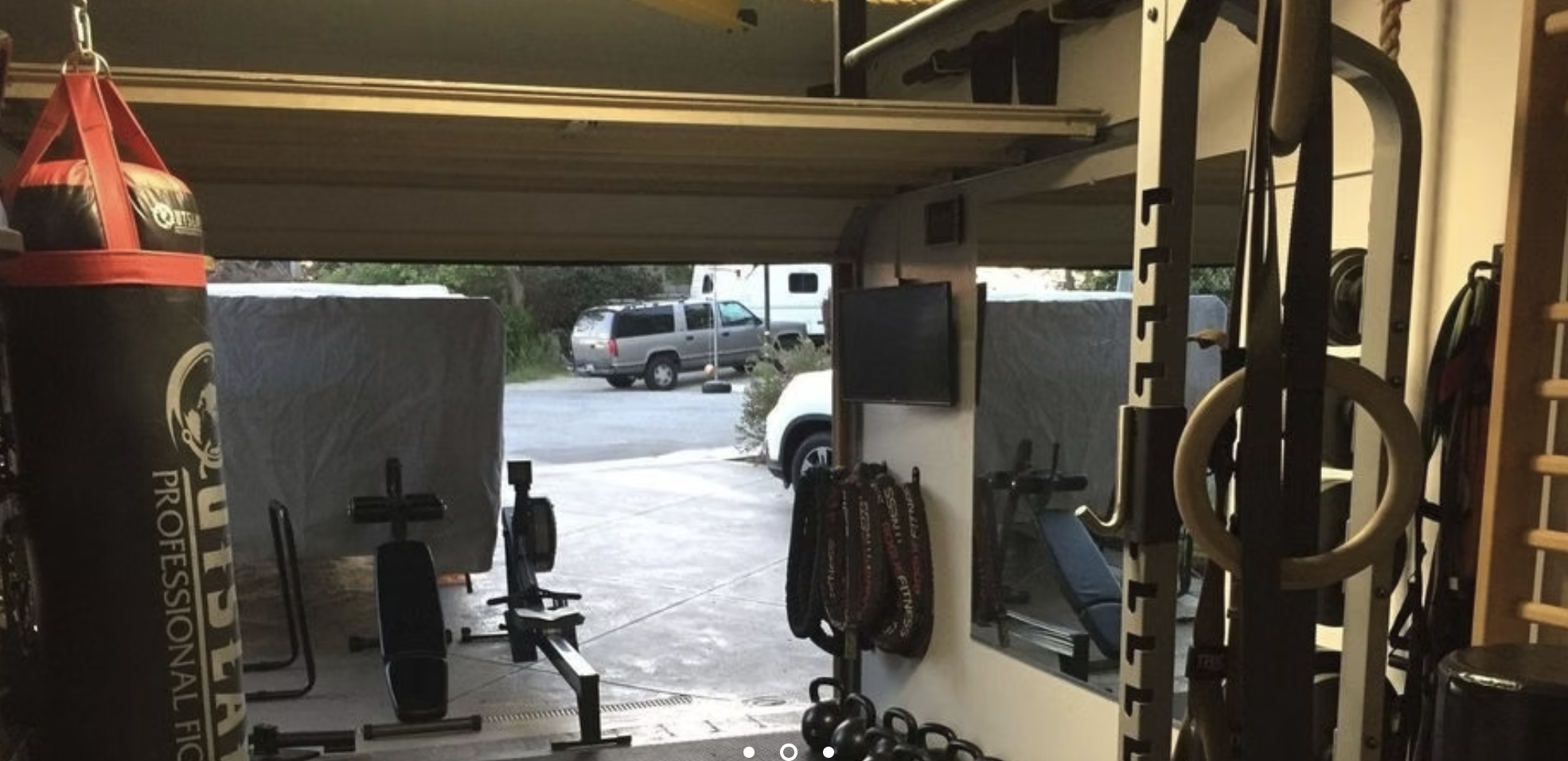
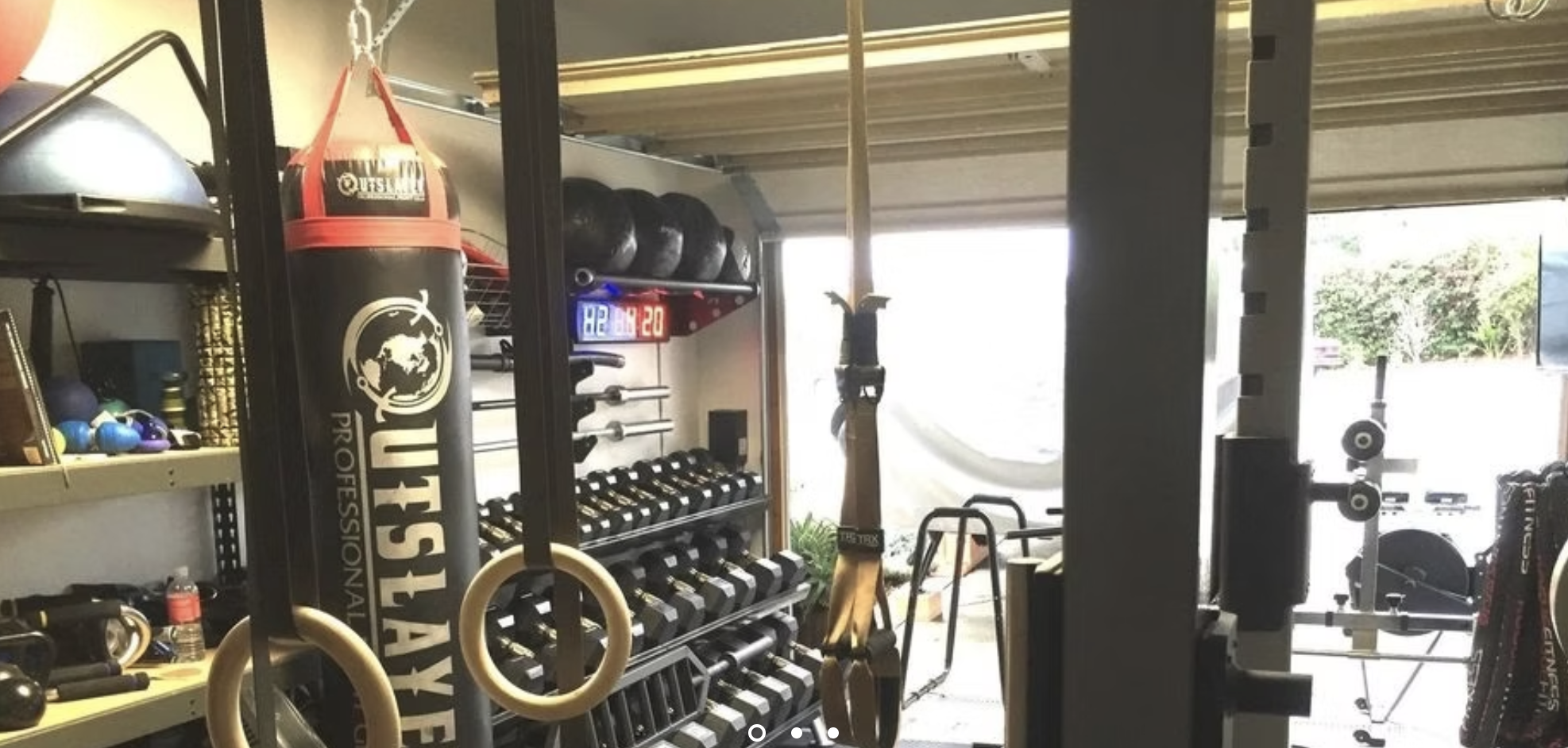
He earned certifications, began training clients immediately, and briefly ran eight to ten sessions a day before discovering how quickly that pace exhausts a coach. He cut back to three or four. In the same period he was acquiring equipment piece by piece as his study led him toward each new modality, until there was enough of it to justify converting half of his garage into a training room. The name followed from the arithmetic. He is not a big box gym. He is a very small box.
- Why Fenwick treats instruction, not supervision, as the product he is actually selling.
- How kettlebell work anchors the model, and why he considers the tool underused across the wider fitness market.
- What a three-client session cap makes possible that a larger class format cannot.
- How he reads a prospective client through gait and basic mobility screening before selecting an entry point.
- Why training around an injury, rather than stopping entirely, is central to his coaching standard.
Fenwick starts from an assumption that separates him from a great deal of the market. He does not believe exercise is intuitive. He believes it is a technical discipline that requires study, and he says plainly that people underestimate how much learning it takes to train well. That belief determines everything downstream in his model.
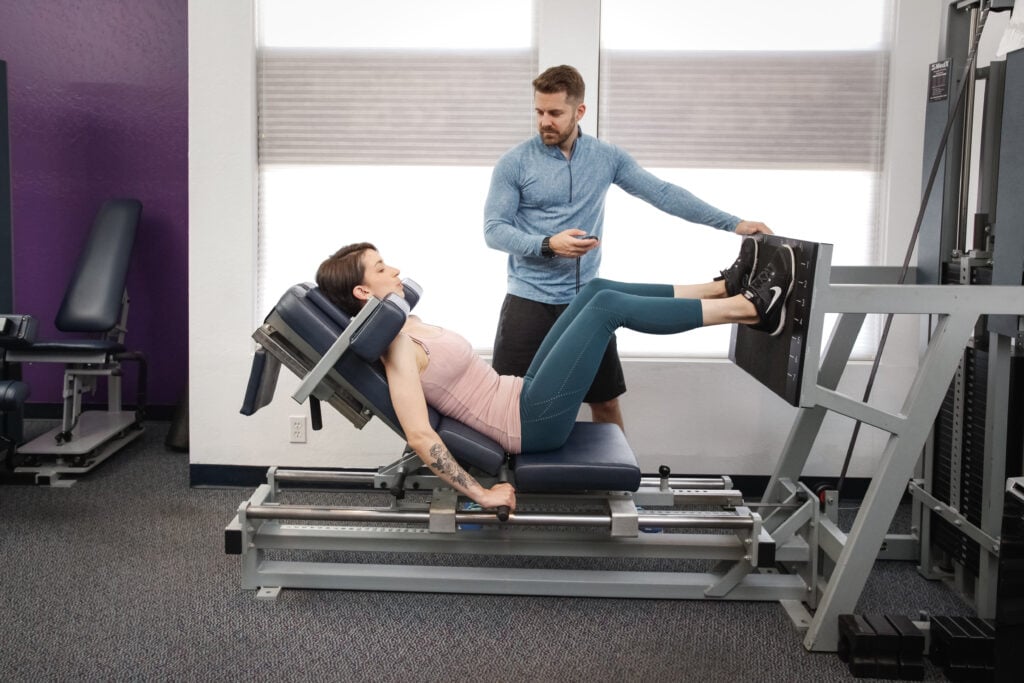
Because some clients see him only once a week, the session cannot function as the whole of their training. It functions as a teaching block. The client is expected to train independently between visits, and when they return, the session opens with a review of what was done, what can be improved, and where the progression goes next. The coach is a corrective and a curriculum, not a supervisor.
This extends to instruction most gyms never bother with. Fenwick teaches clients how to keep a logbook, how to record reps and sets in a form that stays legible weeks later, and how to read a written program correctly. He writes it during the session, and the client leaves with a copy. The paperwork is not administrative. It is the mechanism by which the training survives outside the room.
Fenwick’s assessment of the wider market is direct. He visits other facilities, and he sees kettlebells sitting in the corner collecting dust because nobody on staff knows how to teach them. He calls that a shame, and the word is chosen carefully. The tool is efficient and adaptable. The problem is that it cannot be self-taught from a rack, which is precisely why it goes unused.
Hands-on instruction is not optional with a kettlebell, in his view. It is the entry requirement. That position is backed by a formal certification path, first through Dragon Door and later through StrongFirst, and by his own continued practice. At nearly sixty-eight, he still performs heavy swings at loads comparable to what he handled at fifty-five. He offers that not as a boast but as evidence that the method holds up across decades when the progression is respected.
The kettlebell does not crowd out everything else. Bench pressing, pull-ups, push-ups, and general conditioning all remain in the mix, and a client who wants only powerlifting will get only powerlifting. Fenwick is explicit that he will not force the tool on anyone. He will, however, tell them what they are passing up.
Asked to name the top of his priority list, Fenwick answers without hesitation: consistency. His explanation is mechanical rather than motivational. Train a lift, leave it for two weeks, and you return roughly to where you began, spending the next stretch recovering ground you already held. Train it consistently and each session builds on the last. The argument is arithmetic, not encouragement.
Alongside consistency he places a mind for safety, and he has a motto for the failure mode he wants clients to avoid. He learned it the way most coaches learn things, by grabbing something that looked manageable and discovering that raw strength does not transfer automatically to an unfamiliar movement pattern. Being capable of a lift and being prepared for it are separate conditions.
Load still matters. Fenwick is candid that training with weights that are too light produces little, and he works clients toward the heaviest weight they can handle safely. The distinction he draws is that the number at the top is not the program. The background work that makes that number safe is the program.
When a client arrives apprehensive, Fenwick’s first move is diagnostic rather than corrective. He wants to know what specifically they are afraid of, because apprehension is usually attached to a particular movement and a particular history. Anyone who has been hurt performing an exercise tends to approach that exercise guarded, and he treats that guarding as information rather than resistance.
His response is to start with what the person already knows. If they have experience with another modality, he brings it into the early sessions rather than replacing everything at once. Confidence, in his framing, is built on familiarity, and familiarity has to be given back to the client before new demands are introduced.
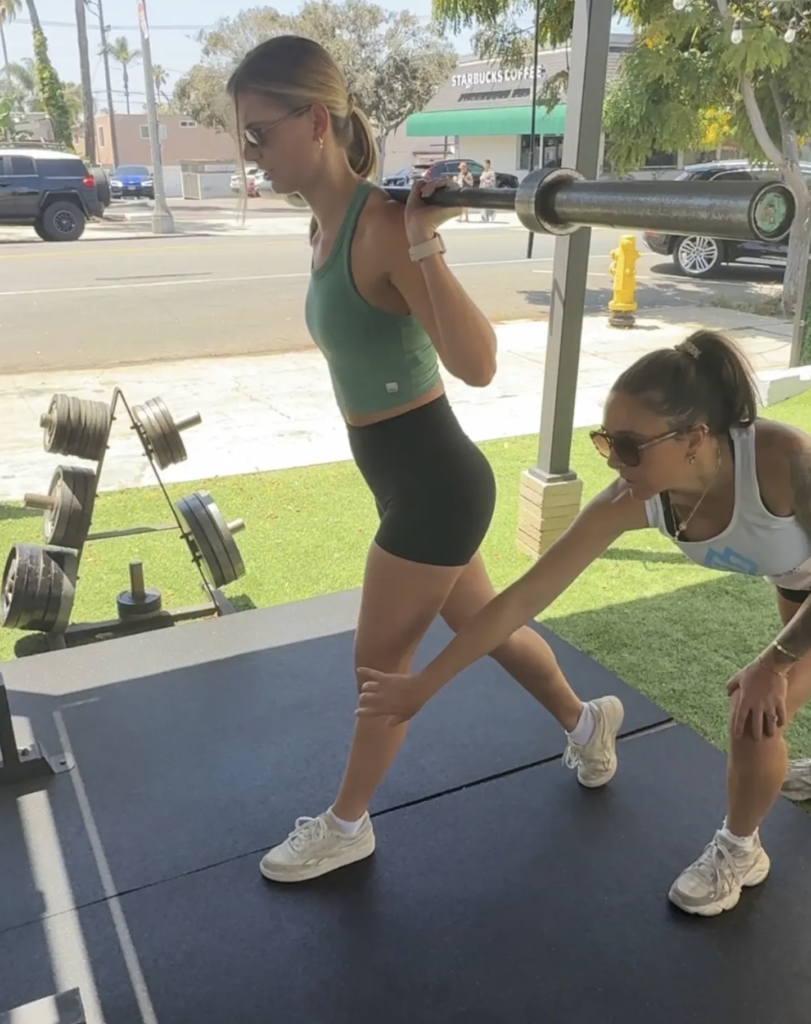
Before any of that, he watches. How a person walks toward him, combined with a basic mobility screen, tells him a good deal about restrictions the client may not have identified. Fenwick describes this as knowing a client’s body better than they do, and adds that it sounds strange to say. Longtime clients treat it as the reason they keep coming back.
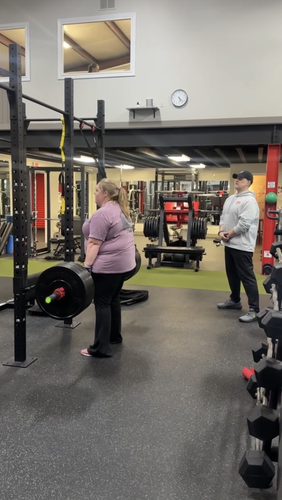
Fenwick describes four or five clients who came to him with lower back pain and considerable apprehension about squatting or hip hinging at all. He moved them slowly, beginning with deadlifts, adding swings once the pattern was secure, and letting the posterior chain and grip work build the surrounding structure. In his account of those cases, the complaints they arrived with became less prominent in their sessions over time.
He is equally forthcoming about the exception. One client’s situation was tenuous enough that he set the hinging work aside entirely and worked the core alone, using properly executed planks. That person relocated, but was feeling better when they left. Fenwick offers both cases without embellishment. This is editorial reporting of what a coach observed, not a clinical claim, and readers with pain or injury should be guided by a qualified medical professional.
He calls this delicate business, and describes the objective as helping people get stronger and better conditioned without hurting them along the way. Minor complaints are part of training. The large setbacks are what the method is organized to prevent.
The subject Fenwick raised on his own, unprompted, was what happens after something goes wrong. His view is unsentimental. Anyone who trains long enough will get injured in some form. The question that determines the next year of a person’s training is what they do in the weeks that follow.
He uses overdone pull-up volume as his illustration. Push too far into that pattern before the tissue is ready and the elbow will register the complaint. The correct response, in his framing, is to stop that specific movement, do the rehabilitation work, and keep training everything else so the strength built over previous months is not surrendered while the area recovers.
This carries into live sessions. Clients describe a problem mid-workout, and Fenwick talks them through a correction on the spot, then resumes the session. It is a small thing that reveals the larger operating logic. The training does not stop because something is uncomfortable. It reroutes.
Fenwick coaches clients from preteen through advanced senior, and has trained people in their seventies and eighties. He treats the differences between those groups as real and consequential. What a twenty-year-old can absorb and what someone his own age or older can absorb are not the same, and he considers the ability to build appropriately for each group a distinguishing part of his practice.
His own position gives that judgment weight. He is nearly sixty-eight and still training seriously, which means the questions his older clients face are questions he is answering in his own program. That is a form of expertise a certification alone does not confer.
He also accepts goals as clients present them. Someone who wants a stronger back and someone who wants a leaner midsection are both, in his view, pursuing valid physical objectives. His only condition is that the route there is healthy, and his contribution is knowing what that route looks like.
Three things separate this practice locally, and Fenwick names all of them without overselling any. Qualified kettlebell instruction is scarce in the county. Decades of coaching across a wide age range have produced genuine programming judgment for different life stages. And the small format means the instruction is delivered directly rather than broadcast to a room.
There is also a structural honesty in how he runs the business. He does not advertise. Roughly half of his clients find him through the StrongFirst directory and the rest through search or word of mouth. He does not want to work full time again, and he says so. That constraint is the reason the model can stay small enough to work.
The equipment tells a similar story. Fenwick continues buying and swapping gear as his study leads him, recently replacing a bulky glute ham developer with a more compact Nordic bench that does the same job in less floor space. He notes that his website’s photographs are behind the current setup. The room keeps changing because the study never stopped.
- Small Box Fitness is a private strength and conditioning gym in Santa Cruz County, California, founded and coached by Dan Fenwick.
- Sessions are one-on-one or small group with a firm three-person limit, covering kettlebell instruction, powerlifting, and general conditioning.
- Fenwick holds kettlebell certification through StrongFirst following earlier Dragon Door certification, and roughly half his clients find him through that directory.
- The method prioritizes consistency and safe progression, with written programming and logbook instruction so clients can train correctly between sessions.
- The measure of success is retention of skill. Fenwick points to clients still using the techniques a decade after they last trained with him.
The most telling detail in Fenwick’s account is not the certification or the equipment. It is that he considers teaching a twenty-year-old a correct kettlebell swing to be a durable act, something that person will still have decades later, and he says he is proud to have given it to them. That is an unusual way to define professional return.
It is also the honest summary of what Small Box Fitness sells. The training room is small on purpose, the client list is short on purpose, and the programming leaves with the client on purpose. A gym that measures itself by what its clients can do without it is holding itself to a standard most of the industry does not attempt.
Readers who recognize themselves in this method should understand what they would be entering. Small Box Fitness is a teaching practice, capped at three people per session, where the coach expects the client to carry the work into the rest of the week. It suits people who want to understand what they are doing and why.
Fenwick’s recommended first step is a direct conversation. Prospective clients may call the number listed on the Small Box Fitness website or send an email. He described that first exchange as information gathering on both sides, a chance to talk through goals, history, and limitations. He states plainly that he has no interest in guiding anyone toward something they do not want.
Explore Small Box Fitness
Dan Fenwick coaches every session at Small Box Fitness himself. He came to the work after a long engineering career, describes himself as a gym nerd who tests everything before teaching it, and holds kettlebell certification through StrongFirst after earlier certification through Dragon Door. The training room he built is small by design, the client roster is short by design, and his stated measure of a job well done is a client who can still perform the work correctly years after the sessions end.
The reporting in this feature draws on a recorded editorial interview with Dan Fenwick, the official Small Box Fitness website, and image and logo files supplied for publication. Editorial attention was directed at the instruction method, kettlebell and powerlifting coaching, session format, screening approach, progression logic, and the practice’s position within Santa Cruz County.
Client observations reported here reflect what Fenwick described during the interview and are presented as editorial source material rather than clinical findings. This article is editorial coverage and does not supply medical, rehabilitation, nutrition, or individualized training advice. No medical claims, guaranteed outcomes, fabricated credentials, unsupported testimonials, or unsupported transformation promises are made.