


The Training Hall by Odd Haugen: Inside the Training Methods Driving Real Results
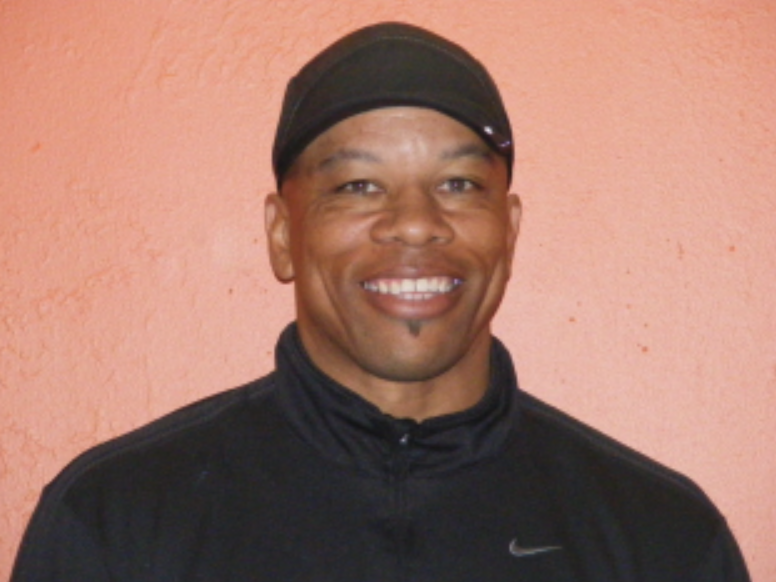
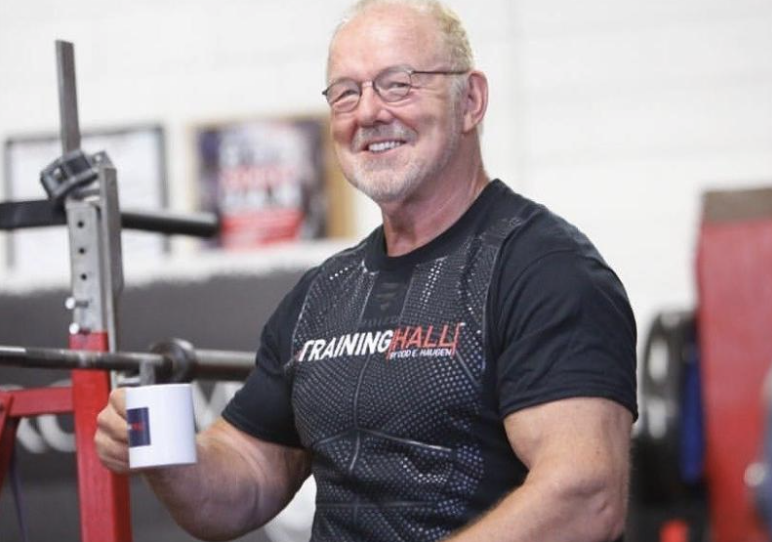
Founder / Coach: Odd Haugen
Training Focus: Strength training, strongman training, powerlifting, full-body workouts, squat, deadlift, pressing, functional strength, basic technique, strongman implements, outdoor turf work, and sports performance for younger athletes.
M&AView Contents
A structured guide to the training methods, coaching standards, progression system, client experience, and evidence examined in this Authority Spotlight.
The Training Hall by Odd Haugen is not built around fitness theater. Its identity comes from iron, implements, technique, open access, and a membership base that understands training as practice. In a market crowded with polished fitness rooms and general exercise options, Haugen’s gym occupies a more specific place: a strength hall where the fundamentals still carry the authority.
In this context, “real results” are not framed primarily as weight loss. Haugen is clear that people come to The Training Hall to get stronger. For some, that means strongman work or powerlifting. For others, it means functional capacity, more confidence, better command of their body, and the ability to handle ordinary physical demands without feeling dependent on someone else.
- How The Training Hall uses basic barbell movements as the foundation of its strength method.
- Why Haugen emphasizes squat, deadlift, pressing, full-body workouts, and proper technique.
- How strongman implements such as stones, tires, farmer’s walks, yoke carries, sandbags, and weight throws expand the training system.
- Why the gym serves both competitive strength athletes and people who simply want to become more functional.
- What makes the gym’s 24-7 access, goal-oriented culture, and member support distinct from a conventional commercial fitness center.
The Training Hall began when Haugen moved his training environment from a garage into a commercial space near the end of his professional strongman career. The original purpose was direct: continue training, support younger strength athletes, and create a place equipped for serious strongman work. Ten years later, according to the interview, that identity remains central.
The gym is specialized, but not exclusionary. Haugen described a membership that includes strongman competitors, powerlifters, people who want to get stronger, older members trying to maintain function, and younger athletes training for sport. That mix gives the room a specific kind of credibility. It is not a space organized around one type of body. It is organized around strength as a skill that can be scaled.
Haugen’s own background gives the gym additional weight. He grew up in Norway, began lifting around age ten, made his own equipment, trained on rings and trapeze, and later competed across strength sports including bodybuilding, Olympic weightlifting, and powerlifting. He also described experience in ski jumping, football, wrestling, track events, and other athletic settings. The result is a training perspective shaped by decades of lived strength practice rather than a narrow fitness trend.
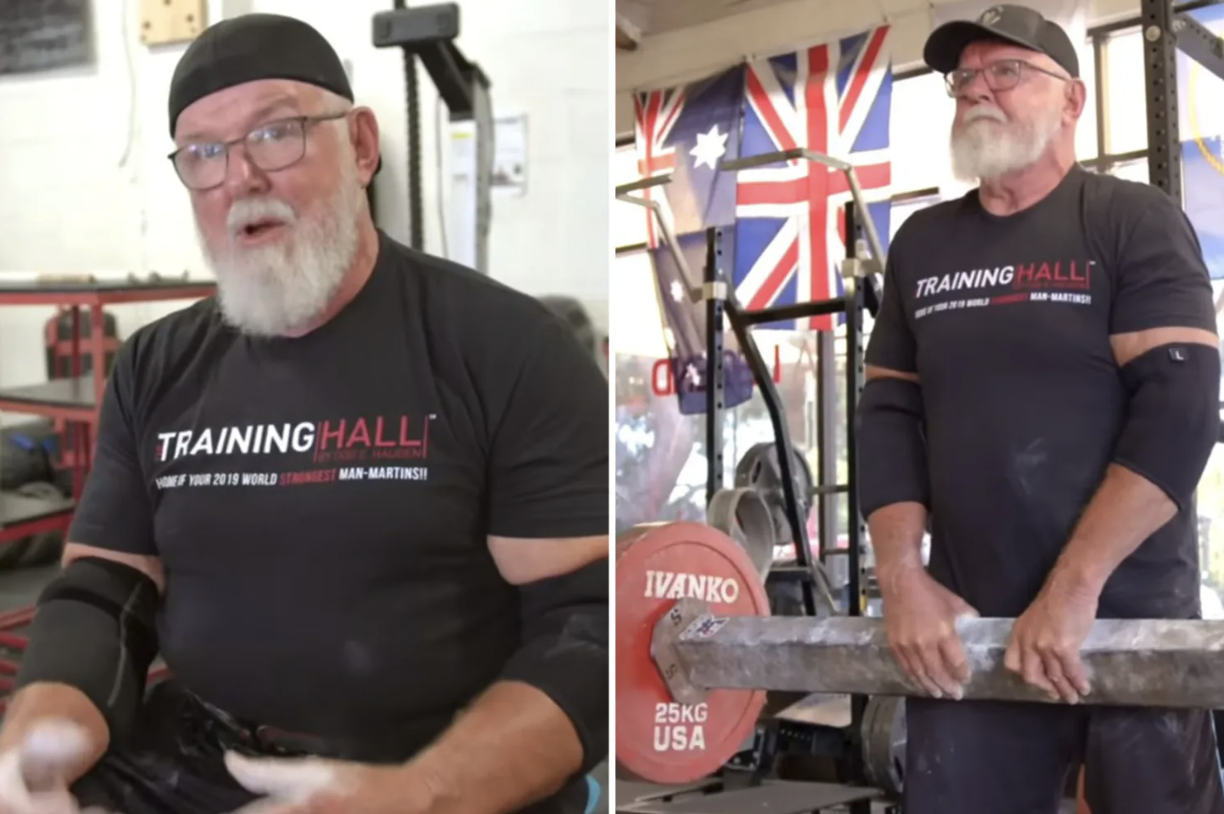
Haugen’s philosophy is not built around novelty. When asked what helps clients get stronger and healthier, he began with evaluation and instruction. The basics come first: learn to squat properly, learn to deadlift, learn to press overhead and on the bench, and use proper technique to build strength while reducing unnecessary risk.
That approach is old-school in the most useful sense. The Training Hall does not need to dress up strength work as something more complicated than it is. The standard is to teach the lifts, repeat the lifts, add appropriate implements as the person advances, and keep the session tied to strength that can be used.
The method also reflects Haugen’s belief that the gym is not only for people who are already strong. In the interview, he described wanting the community to understand that The Training Hall is for everybody, including people who may be deconditioned or new to lifting. That distinction matters. The gym’s atmosphere may be serious, but its purpose is development.
At the center of Haugen’s workout structure is the full-body session. He named the squat, deadlift, and pressing as the basic training priorities. That simplicity is not a lack of sophistication. It is a filter. The Training Hall’s method begins with movements that have a clear relationship to force production, body control, and general physical capability.
As a member advances, the gym’s equipment gives the system more range. Haugen referenced stones, farmer’s walks, yoke carries, sandbag carries, sandbag tossing, and weights thrown for height. These are not decorative pieces of equipment. They are training tools that demand bracing, grip, coordination, total-body effort, and the ability to apply strength in less controlled conditions than a standard machine path.
For a powerlifter, that environment supports the barbell work. For a strongman competitor, it provides practice on implements that are difficult to find in a general gym. For an older adult or a newer member, the same philosophy can be scaled back to the basics: learn the movement, get stronger, and build confidence through visible improvement.
The Training Hall’s operating model gives members unusual independence. Haugen said the gym is open to members 24-7, which means training is not limited to a narrow class schedule. That access supports serious lifters who need consistency, competitors who need event practice, and members who simply need their training time to fit real life.
At the same time, independence does not mean the gym is careless. Haugen said instruction can be included in membership for those who want it, and one-on-one training is also available. That gives the model a practical balance: members can train on their own, receive guidance when needed, and exist in a room where experienced members are often willing to encourage or help.
This is one reason the gym’s culture matters. Haugen described his members as friendly, helpful, welcoming, and goal-oriented. In a highly specialized strength space, that tone is important. It allows the gym to serve serious competitors without closing the door on the person who has never lifted before.
When Haugen was asked what members should experience in 60 to 90 days, his answer was concise: getting stronger and more confident. That is the gym’s clearest measure. The goal is not necessarily to make the scale move in one direction. Some members may lose weight, some may gain weight, and others may remain about the same while becoming stronger.
That definition is important because it protects the article from the shallow end of fitness marketing. The Training Hall does not need to claim that every member is chasing the same outcome. Its central promise is more grounded: build strength, improve function, and give people a better relationship with what their body can do.
Haugen described members returning with practical proof. They notice they can handle something at the store, lift something without needing assistance, or feel more in charge of their body. In his view, that is especially meaningful for women who may never have previously experienced the confidence that comes from becoming physically strong.
The Training Hall can look intimidating from the outside because its equipment signals serious strength work. Haugen acknowledged that misconception directly. He wishes more people understood that the gym is not only for people who are already strong. It is where people come to get strong.
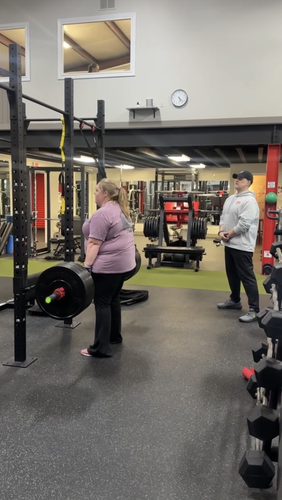
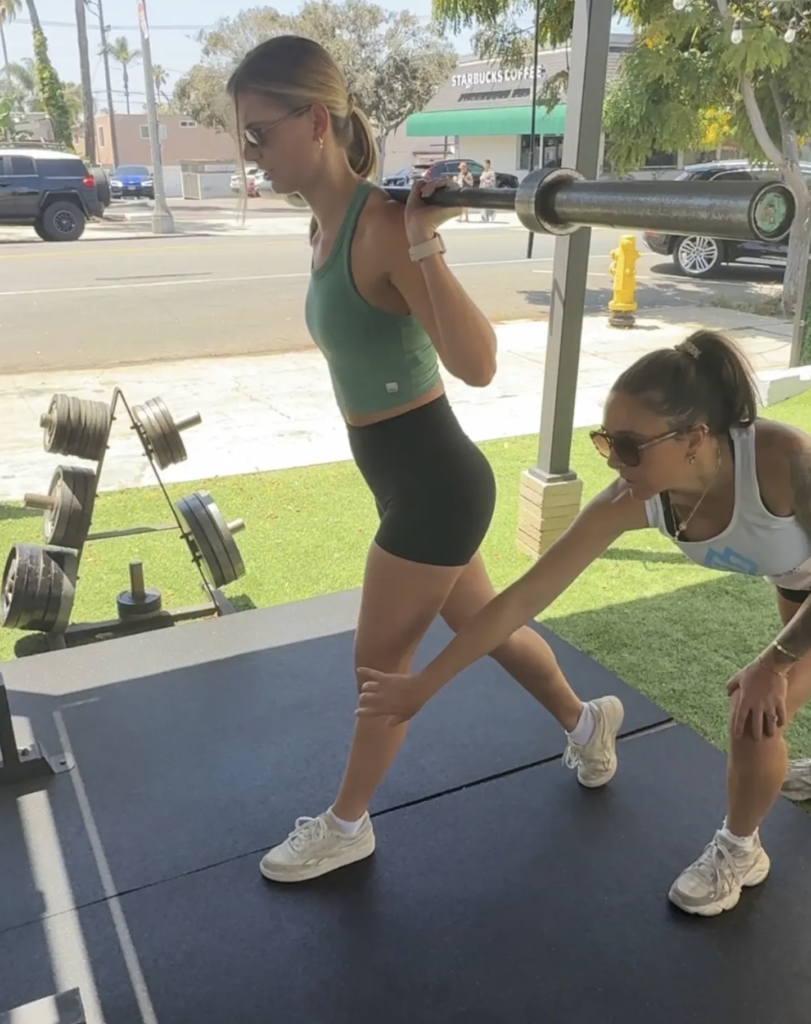
The interview included a clear example: a young attorney who had never done sports or lifted weights began training at the gym after realizing she needed more than yoga-style exercise. Haugen described her starting with very light weights and being unable to use a barbell at first. After several months, she was squatting over 100 pounds, deadlifting more, and enjoying the process.
That example matters because it shows the gym’s broader relevance. The Training Hall may serve experienced lifters and competitors, but its method can also meet a deconditioned beginner at the first step. The common thread is not the starting point. It is the willingness to train with purpose.
The Training Hall does not appear to operate like a heavily staffed commercial club. Haugen said he is largely the staff himself. That could be a limitation in another setting, but in this transcript it reveals one of the gym’s defining cultural traits: the members help shape the experience.
Haugen described members as friendly, encouraging, and willing to help. He said that if he had to step away and someone showed up, he would trust the members to take care of them until he returned. In a strength gym, that kind of culture is not a minor detail. It affects whether a beginner feels welcome, whether experienced lifters take ownership of the room, and whether the environment stays serious without becoming cold.
The practical result is a gym that can feel almost private at times while still offering community. Haugen said the space is usually not crowded, and members may sometimes train as if they have their own private gym. For people who dislike the congestion and distraction of a typical commercial fitness center, that is part of the appeal.

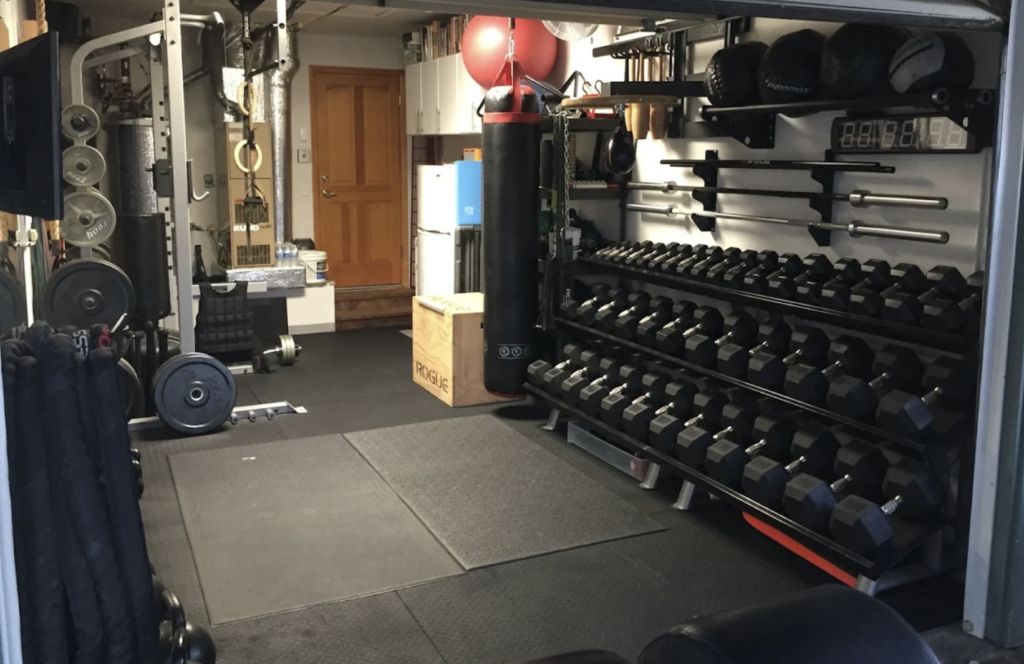
The Training Hall’s distinction begins with equipment. Haugen described natural rocks, atlas stones, tires, logs, specialty bars, weights, turf, and outdoor space. He also described competitors traveling from far away to practice events. That means the gym is not merely offering strength as a brand message. It has the physical tools required for specific strength disciplines.
Its second distinction is access. A 24-7 model allows members to come and go when they need to train. Its third distinction is atmosphere. Haugen contrasted the gym with a typical commercial fitness center where the room may be crowded and people may be more social than focused. The Training Hall is framed as a place where people usually come in with a training goal.
That does not make the gym inaccessible. It makes it specific. The member who belongs there is not necessarily the strongest person in town. It is the person who wants strength enough to practice it seriously.
The Training Hall matters because it gives the local strength community something specific. Strongman competitors need implements. Powerlifters need an environment that respects serious lifting. Athletes need strength that transfers. Older adults need functional capacity. Beginners need a place where they can be taught without being made to feel out of place.
That range is difficult to serve unless the gym knows what it is. Haugen’s training hall does. It is a strength gym in the traditional sense: equipped for hard work, structured around basics, open to serious practice, and grounded in the belief that strength is built by doing the work repeatedly and correctly.
- The Training Hall by Odd Haugen is built around strength training, not general fitness programming.
- Haugen’s method emphasizes evaluation, proper technique, squat, deadlift, pressing, and full-body training.
- The gym’s strongman equipment and outdoor space support training that many conventional fitness centers cannot provide.
- The member experience is goal-oriented, friendly, and often less crowded than a typical commercial gym.
- The gym’s local credibility comes from its specific strength identity, long-standing method, and ability to serve competitors and beginners inside the same training culture.
The Training Hall by Odd Haugen makes a simple argument for strength: build the base, respect the lifts, learn the technique, use the right equipment, and train with people who are there for a reason. It is not a complicated thesis, but that is part of its credibility.
For the competitor, it offers implements and practice. For the powerlifter, it offers seriousness. For the older adult, it offers a path toward function. For the beginner, it offers the possibility of becoming stronger without needing to arrive strong. That is the editorial distinction behind The Training Hall: a gym where the method is plain, the tools are real, and progress is measured by what the body can do.
Readers interested in Haugen’s strength training environment, strongman equipment, powerlifting culture, functional training approach, and 24-7 member access can learn more about The Training Hall online.
Visit The Training Hall Odd Haugen leads The Training Hall with a strength philosophy shaped by decades of training and competition experience. His gym centers on basic lifts, strongman implements, powerlifting, functional strength, member access, and a clear belief that people do not need to arrive strong in order to begin serious strength training.