


Sozo Family Fitness: Inside the Training Methods Driving Real Results
Location: Chapin, South Carolina
Owner / Training Philosophy Source: Kara Madsen
Founding Leadership: Kara and Paul Madsen
Business Type: Gym, personal training provider, class-based fitness community, and family-friendly training environment
Training Focus: Customized personal training, strength training, level-friendly moderate classes, yoga, HIIT, recovery, trainer matching, nutrition support, Kid’s Cove access, and whole-person member care.
M&AView Contents
A structured guide to the training methods, coaching standards, progression system, client experience, and evidence examined in this Authority Spotlight.
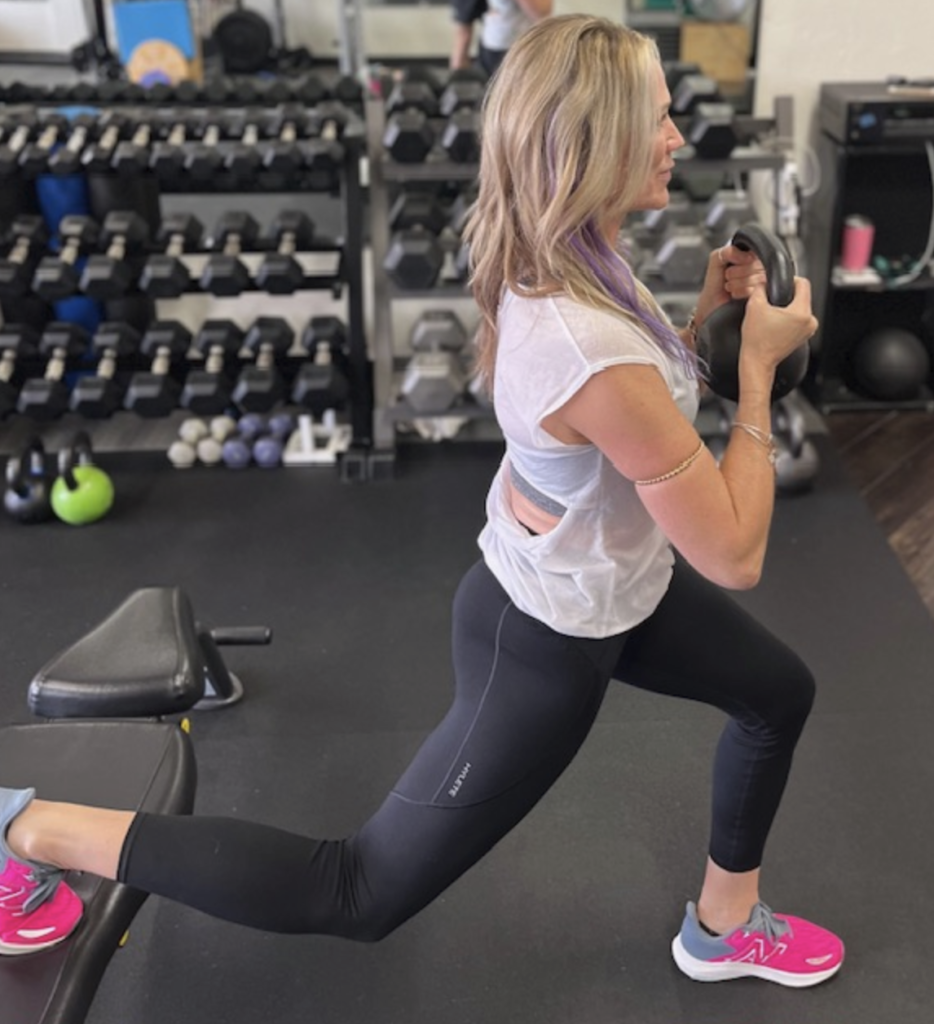
Kara Madsen’s authority as a fitness leader comes from the way she has built Sozo Family Fitness around people who may not feel at home in a traditional gym environment. Her model is not centered on the loudest workout, the harshest intensity, or the fastest visible change. It is centered on helping people find a path to health that feels realistic, personal, and safe enough to continue.
That meaning runs through the gym Kara and her husband Paul have built in Chapin. This is a gym where strength training, moderate classes, personal training, recovery, nutrition support, and community are not treated as separate ideas. They are brought together inside a coaching environment designed to help members feel known, encouraged, and capable.
- Why Sozo Family Fitness places customization at the center of its coaching philosophy.
- How appropriate strength training, moderate classes, yoga, HIIT, and recovery work together inside the gym’s model.
- Why the first 60 to 90 days are treated as a consistency and confidence-building window, not simply a transformation campaign.
- How trainer matching helps personal training clients receive the right fit for their goals, injuries, personality, and season of life.
- Why being seen, welcomed, and supported is central to the Sozo standard.
Madsen’s training philosophy starts with customization. In her view, the coach has to understand the person before prescribing the path. That includes injury history, past gym experiences, body composition information, confidence level, mental readiness, training history, and whether a person has overtrained or felt intimidated by fitness in the past.
The distinction matters. A program can be technically sound and still fail if the person does not feel safe enough, guided enough, or comfortable enough to return. Sozo’s model is more interested in building a route the member can follow consistently. That is why the gym’s authority is not tied to one narrow workout style. It is tied to a system that can support different starting points inside the same environment.
For one member, success may mean becoming comfortable walking through the doors. For another, it may mean learning how to strength train safely after physical therapy. For someone else, it may mean building the confidence to take rest days without feeling like they are backsliding. The method is serious because it is personal.
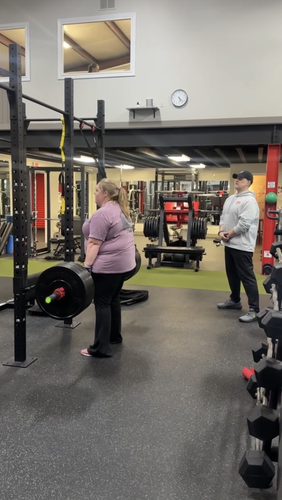
In Madsen’s current approach, strength is not treated as something reserved for advanced athletes or experienced lifters. It is treated as a foundation. Members still move. They still condition. They still challenge themselves. But the work is shaped around appropriate strength training and the member’s stage of life.
That distinction has practical consequences. Madsen described strength training as useful at every age, while also making clear that it does not mean every person should lift as heavy as possible. The better standard is appropriate challenge, consistent progression, and training that helps the person feel better in daily life.
Sozo’s authority comes from that balance. It does not abandon conditioning, but it refuses to make fatigue the only metric. The goal is not merely to make people tired. The goal is to help them become stronger, more comfortable, and more capable.
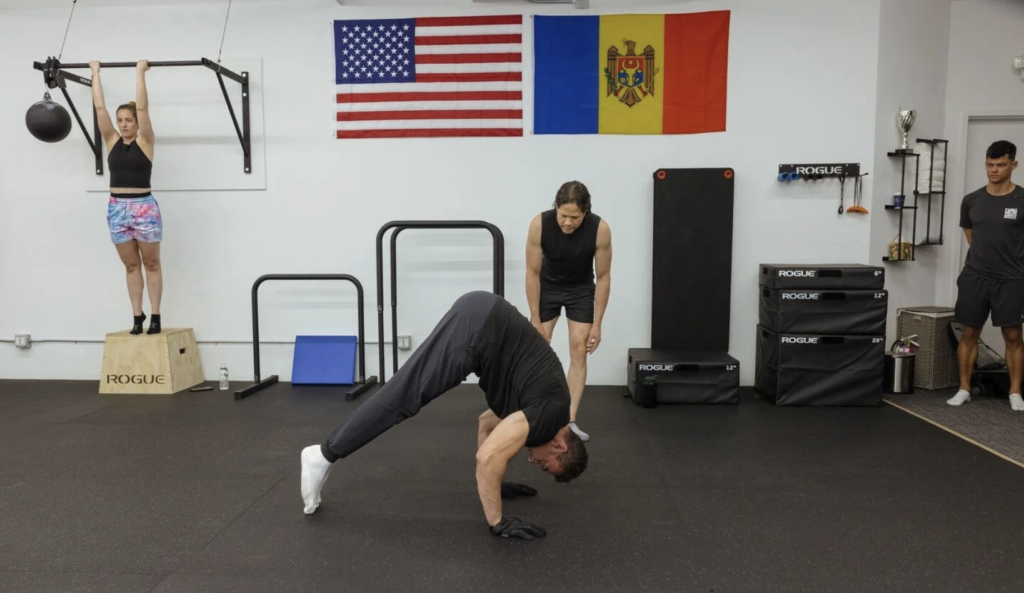
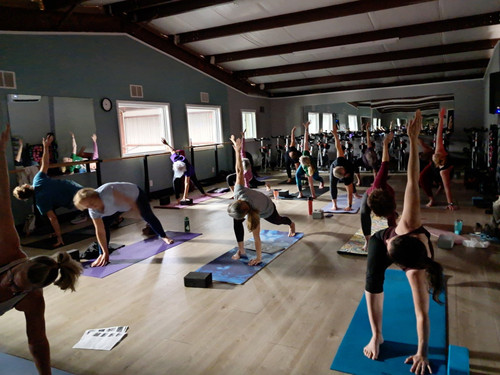
Sozo’s classes are level-friendly and moderate by design. The programming is built to give members variety without pushing them into constant high intensity. Madsen described a rhythm where a member may take full-body strength, then yoga, then HIIT, then build in a rest day.
That rhythm is especially important for the middle-aged members Madsen often serves. More is not always better. Recovery is not a sign of failure. Rest days are not backsliding. Inside Sozo’s system, intelligent programming is part of the training standard.
This is where the model separates itself from a generic class template. The schedule creates structure, but the member’s needs still matter. Some people are class people. Others need gym-floor confidence. Others need personal training. Sozo’s system makes room for more than one entry point.
Madsen’s view of the first 60 to 90 days is revealing. She does not describe that early period as a dramatic before-and-after window. She describes it as a period where members become comfortable walking through the doors, begin to feel better physically, and build a routine that does not require beating themselves up.
That may mean learning how to train with rest days. It may mean trusting that prioritizing health is not selfish. It may mean finding confidence after years away from the gym. It may mean recognizing that physical, mental, and spiritual health all influence the consistency a person can build.
This makes the Sozo model more mature than a quick-fix program. The gym is not trying to make every member chase the same goal. It is trying to help each member build the routine that supports the reason they came in.
Madsen’s understanding of results is not limited to weight loss. She speaks often about the difference between losing weight and changing body composition. A member may gain muscle, lose body fat, feel stronger, feel better in clothing, and improve health without seeing the scale move dramatically.
That does not make the work less serious. It makes the standard more honest. For many members, the meaningful result is not only a number. It is feeling better in their own skin, moving with more ease, trusting their routine, and knowing they are doing something right by prioritizing their health.
The best fitness environments understand that most people are not training for a stage, a scoreboard, or a photo shoot. They are training to live better. Sozo’s authority comes from serving that reality with structure and care.
Sozo Family Fitness serves about 600 members, according to Madsen’s interview, including roughly 200 personal training clients. The business gives members different ways to participate: classes, gym-floor access, personal training, and Kid’s Cove support for parents who need help making fitness possible.
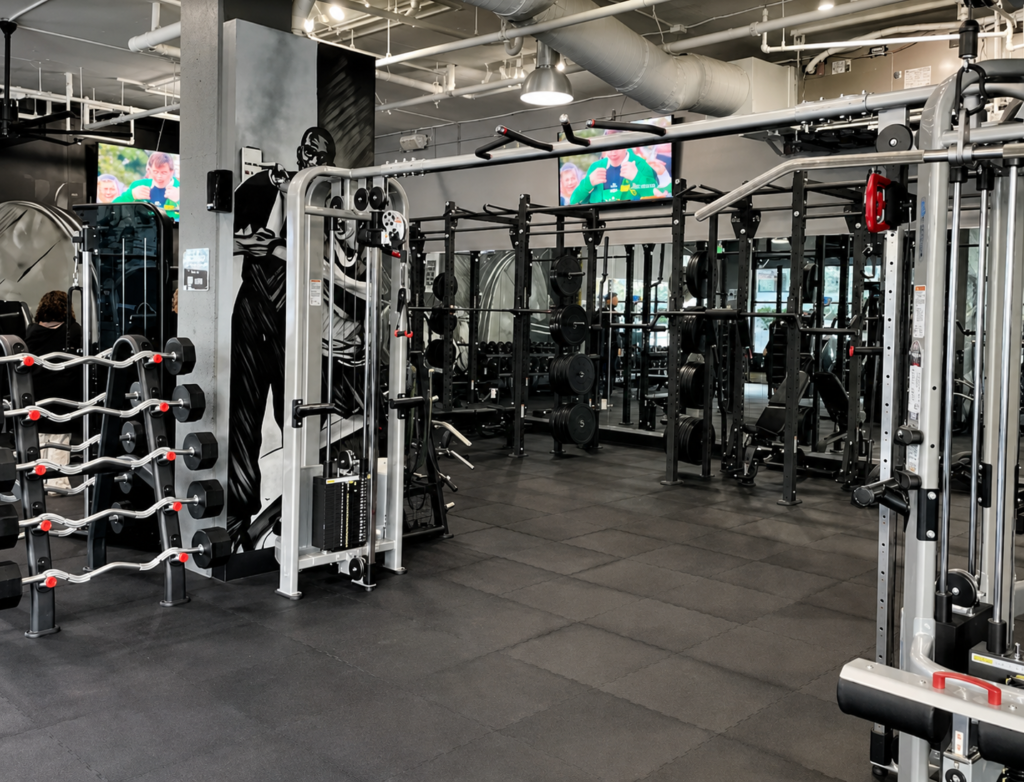
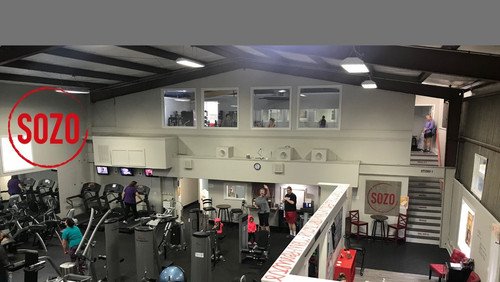
The environment is intentionally non-threatening. Madsen described the importance of the entrance, the front desk, the greeting, and the feeling people have when they walk in. Those details matter because many new members are nervous, unsure, or returning after a long break.
The culture is also explicitly relational. Staff learn names. Members are noticed. People become friends. Parents can take a mental health break while children are cared for nearby. The experience is designed to help members feel part of something special, not lost inside a large anonymous gym.
Sozo Family Fitness stands apart because it does not present fitness as a transaction. Madsen repeatedly returns to experience, fit, and care. The gym is not trying to be the right place for everyone. It is trying to be deeply right for the people who resonate with its approach.
That clarity is part of the authority. Madsen has been in the industry long enough to know that different people need different fitness environments in different seasons of life. Sozo’s lane is a smaller community environment where people are known, supported, guided, and given a training path that matches their real starting point.
Her long-term vision reflects that restraint. Rather than chasing expansion for its own sake, Madsen described a desire to keep doing what Sozo is doing now with the same quality, the same personal touch, and the same staff culture that allows members to feel seen.
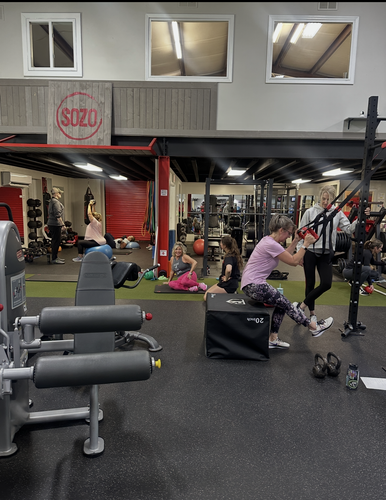
- Sozo Family Fitness is a Chapin, South Carolina gym shaped by Kara and Paul Madsen.
- The training model emphasizes customization, personal training, strength training, level-friendly classes, recovery, and whole-person member care.
- Madsen’s philosophy treats appropriate strength training as a practical tool through every phase of life.
- The gym’s culture is intentionally welcoming, non-threatening, family-minded, and personal, with a strong emphasis on members feeling seen.
- The core promise is not generic fitness. It is helping people find a healthier, more consistent path through training that is matched to the person.
Sozo Family Fitness is not merely a place where people complete workouts. It is a customized training environment built around the idea that fitness should help people become more capable, more comfortable, and more connected to their own health.
For readers looking for a serious but welcoming local fitness environment, the message is clear. The workouts have structure. The training has standards. The culture is personal. And the goal is not simply to train harder, but to build strength, confidence, and consistency that last beyond the session.
For readers who feel connected to Sozo Family Fitness, the first step is not a one-size-fits-all commitment. It is to let the Sozo team understand what kind of starting point makes the most sense. Some people may simply need to join the gym and begin with classes. Others may need a more guided one-on-one path.
Madsen’s preferred first touch point is a conversation that helps the team guide the person in the right direction. From there, the path may be classes, gym access, personal training, or a more customized starting plan based on what the person needs in this season.
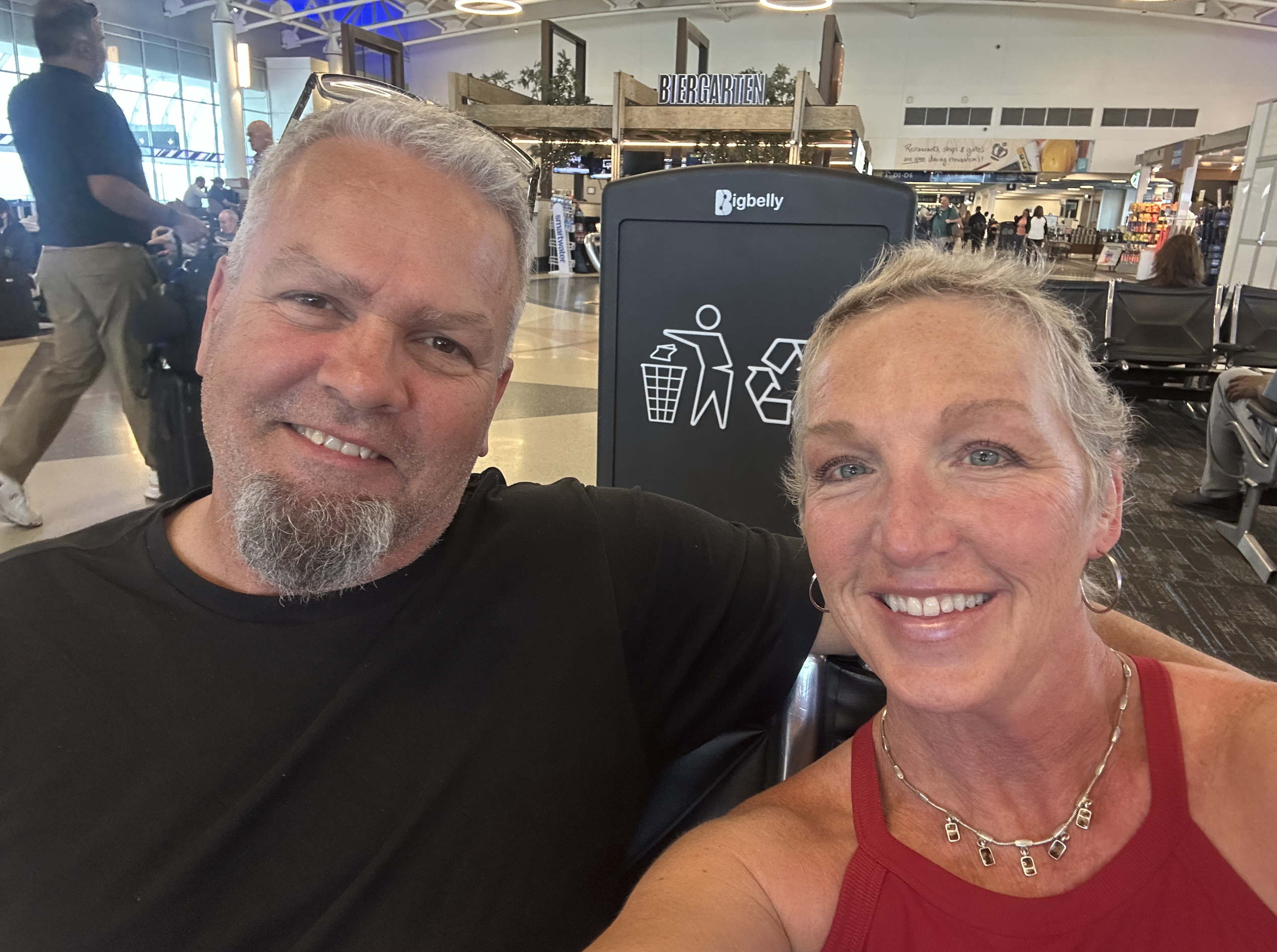

Kara and Paul Madsen are recognized here as the founding leadership behind the Sozo Family Fitness environment in Chapin, South Carolina. Kara’s training philosophy reflects a model built from personal experience, customized coaching, strength training, recovery-minded programming, trainer matching, member care, and the belief that people are more likely to stay consistent when they feel known, welcomed, and supported.
This Muscle & Authority Magazine™ feature was editorially prepared from a recorded Fitness Living Magazine™ interview with Kara Madsen, official Sozo Family Fitness source material, the official Sozo Family Fitness website, and provided visual assets. The article focuses on training philosophy, coaching standards, member experience, program structure, and local authority.
Training descriptions, coaching philosophy, member-experience details, program references, and first-step recommendations reflect the interview, the business-provided context, and public-facing website information reviewed for editorial clarity. This article is editorial in nature and does not provide medical, rehabilitation, nutrition, or individualized training advice. No medical claims, guaranteed outcomes, fabricated credentials, fake testimonials, or unsupported transformation promises are made.
- Fitness Living Magazine™ source interview with Kara Madsen.
- Official Sozo Family Fitness website: https://www.sozofitnessgym.com/
- Business-provided Sozo Family Fitness source material and visual assets.
- Standard of Membership / First Step response extracted from Kara Madsen’s interview.
- Location reference: Chapin, South Carolina.