

Based on a recorded interview with Chris Forster.
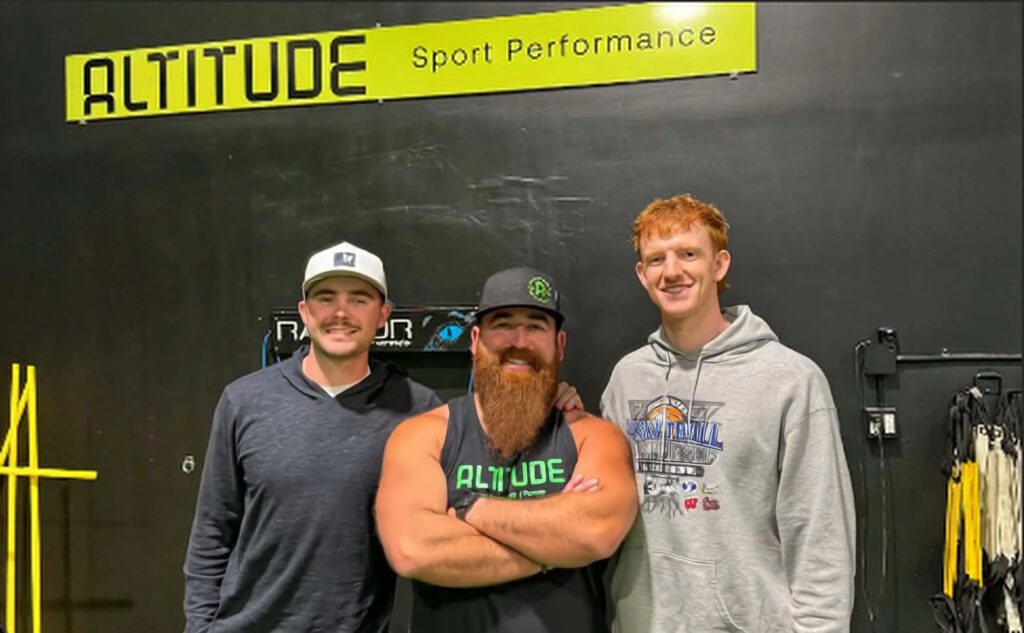
Chris Forster grew up in Sonora, California, and spent six to seven years in Orange County working under experienced coaches at performance facilities, completing internships and certifications and training high-level athletes. He now has nearly 15 years in sports performance training. That background explains the premise of his coaching at Altitude Sport Performance: training is judged by what it changes over time, not by how hard a single session feels.
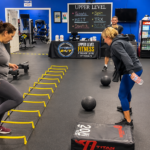
Altitude, now in a 5,000-square-foot facility in Sonora, develops athletes from about age eight through high school, college and the occasional professional, and trains adults from their late teens into their 80s. Sessions run in small, semi-private groups with one or more coaches on the floor. Everyone follows a written program, and two people training side by side may be doing very different work.
The method starts with an assessment and, for athletes, a set of baseline tests. From there Forster writes programs meant to produce a stimulus the body can adapt to, not exhaustion. He asks that every rep be done with intent, adjusts programs through small swaps of exercises and reps, and modifies or removes movements that do not work. Athletes are retested every three to four months to see whether the plan is moving the numbers.
The Goal Is a Stimulus, Not Exhaustion
Location: Sonora, California
Owner / Interview Source: Chris Forster
Business Type: Sport performance training facility with adult personal training
Training Focus: Strength, power, speed and change of direction for athletes; strength and conditioning and personal training for adults; team training
Primary Users: Youth athletes from about age eight through high school, collegiate and occasional professional athletes, and adults from their late teens into their 80s
Assessment Comes Before the First Program
Altitude does not take drop-ins. Forster said a new client or athlete starts with an assessment or trial session, because the coaches need to know the person’s background first: what has worked before, what has not, what issues they bring, and any medical conditions or injuries. An unscreened drop-in, he said, turns into a babysitting job at the expense of the members already training.
The assessment itself is a movement screen. Forster said it shows how well a person moves and whether they can perform simple movement mechanics: squatting, lunging, carrying, pushing, pulling, twisting and hinging. Those results, together with the person’s goals and how often they can come in, shape the first program.
Athletes go through a second layer. Forster said each new athlete completes a series of athletic tests for baseline numbers, including top-end speed, vertical jump and change of direction, while the coaches watch the mechanics of how the athlete jumps and runs. The Altitude website lists the same evaluation, adding broad jump, acceleration and agility, and states that all new athletes must complete it before training begins.
How Altitude Organizes the Work
Small Groups, Individual Programs
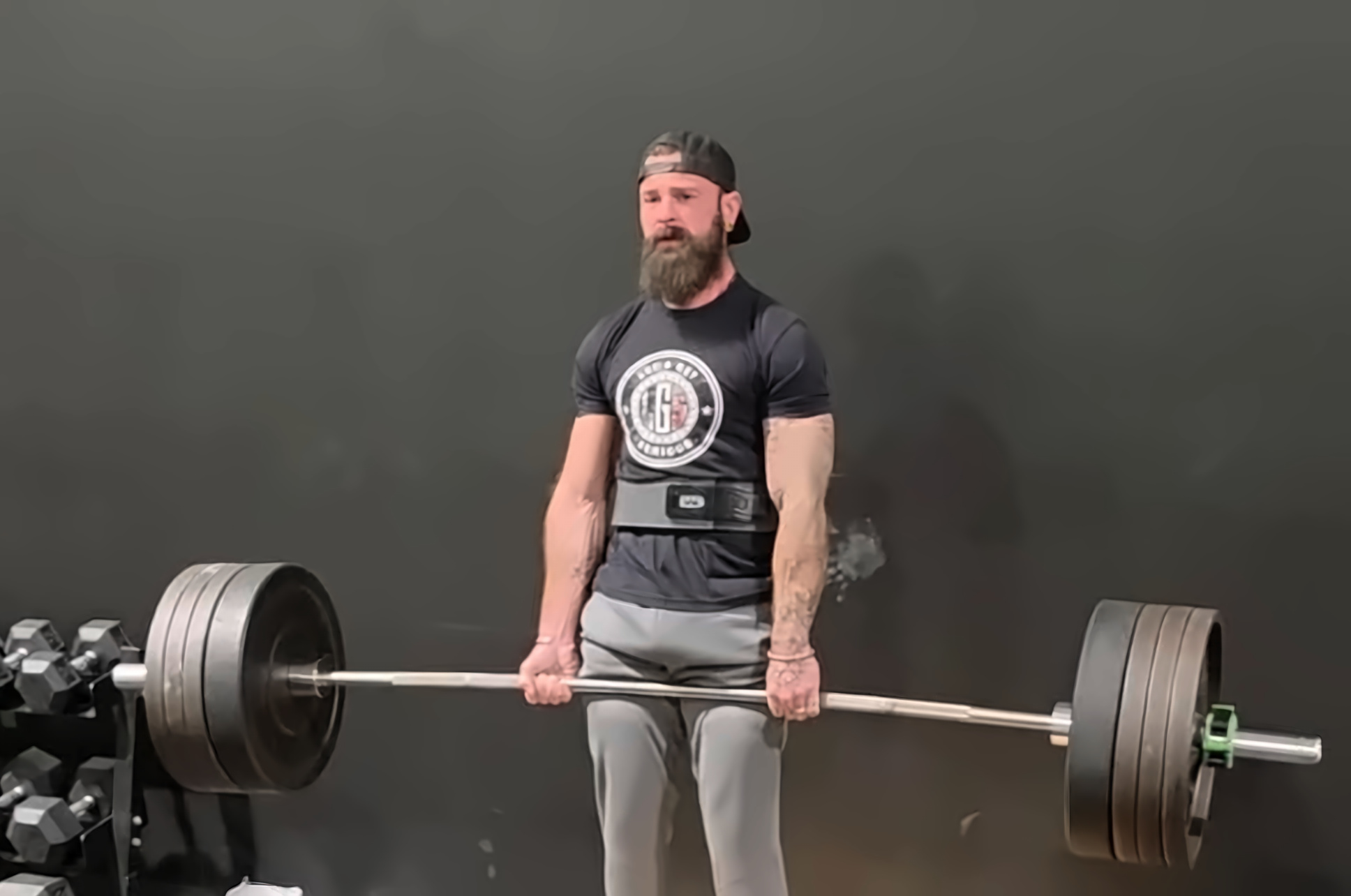
Altitude’s sessions run in a small-group, semi-private format, with one or more coaches on hand. Forster said that format is why the gym does not take children younger than about eight or nine: athletes need to be self-sufficient enough to stay aware in a room where other people are training, without being watched every second. Every athlete follows programming. Forster said nobody comes in and simply does what they feel like doing.
The group shares the room and the time slot, not the workout. Forster said it is not like a class in which everyone does the same exercise at the same time. Sessions follow a similar structure, with a warm-up and attention to movement patterns and tissue work, but the programs differ by person. He gave the example of a 70-year-old woman who trains differently than a 28-year-old man on the same floor.
Training frequency shapes the program itself. Forster said that for clients who come in twice a week, he usually writes two full-body programs so every area is trained twice, because hitting legs once a week and upper body once a week limits how much growth can happen. Memberships are monthly, with twice-weekly, three-times-weekly and unlimited options, and the gym also offers private one-on-one training.
Every First Program Is a Draft
Forster treats a new program as a starting estimate. He said that “every program, no matter how perfectly written initially, will always have flaws,” however experienced the coach. A rep range may need to change, an exercise may need a modification or a different variation, and something may turn out to be too easy or too hard.
He finds those flaws by asking. Forster said much of the early work is questions to the client: how did that feel, are you liking it, are there any issues? He described the process as a team effort. The coach supplies the tools, the method and the direction, and the client’s feedback keeps both of them moving forward together.
Once a client has adapted, learned the movements and gotten stronger, the changes stay small. Forster described micro swaps: a variation of the same exercise, a slight change in reps, or a full exercise swap with the reps kept the same. The direction does not change. Clients keep doing a squat variation, core variations and a hinge, along with movements such as deadlifts and pull-ups, adapted for people who cannot yet do them.
Stimulus Over Exhaustion
Forster’s sharpest distinction is between being tired and being trained. “It is extremely easy to make someone tired and sweaty,” he said, adding that even a 10-year-old could write a workout that would be extremely hard for many people. In his account, how hard a session feels says little about whether it was useful.
The target instead is a stimulus the body can adapt to, applied in doses small enough to recover from. Forster said he could leave an athlete’s legs wrecked for three days with a brutal workout, but the athlete would then train poorly and practice poorly for the days that followed. Small doses repeated consistently over weeks, he said, do more than big gaps between brutal sessions.
That reasoning is behind his dislike of brutally aggressive boot camps, circuits and 30-day challenges. Forster puts a sustainability question to clients: a punishing workout and eating plan might be survivable for 30 days, but could they keep it up for five months, a year or five years? Most people, he said, end up quitting or drifting off course. His programs instead dose in difficult exercises alongside the stability, mobility and core work a client needs, plus some work that is simply fun, because clients still have to enjoy the process.
The Altitude Method, Part by Part
Intent Turns a Movement Into a Stressor
Asked for the most important principle behind his coaching, Forster named intent. He said that “everything has to be done with an intent and understanding that everything we do is essentially a microdose.” Each dose, in his framing, either makes a person better, leaves them the same or makes them worse.
He applies the idea to every part of a session: warm-ups, bodyweight exercises, compound lifts and burnouts alike. Forster said three people can perform the same exercise while only one of them does it with the highest possible intent, meaning the best form, the best range of motion and enough effort that the movement actually creates stress. He tells younger athletes in particular that simply going through a movement accomplishes nothing.
Load is part of that equation. Forster’s example: if a set calls for a weight the athlete can lift about five times, but the athlete could have done 10 reps with the weight they chose, the set produced no meaningful stress. A session of casual lunges, light stretching and easy running can look like a workout, he said, while providing no mechanical load, no stress on the nervous system and no high output.
Modify on the Spot, Rewrite at the Next Phase
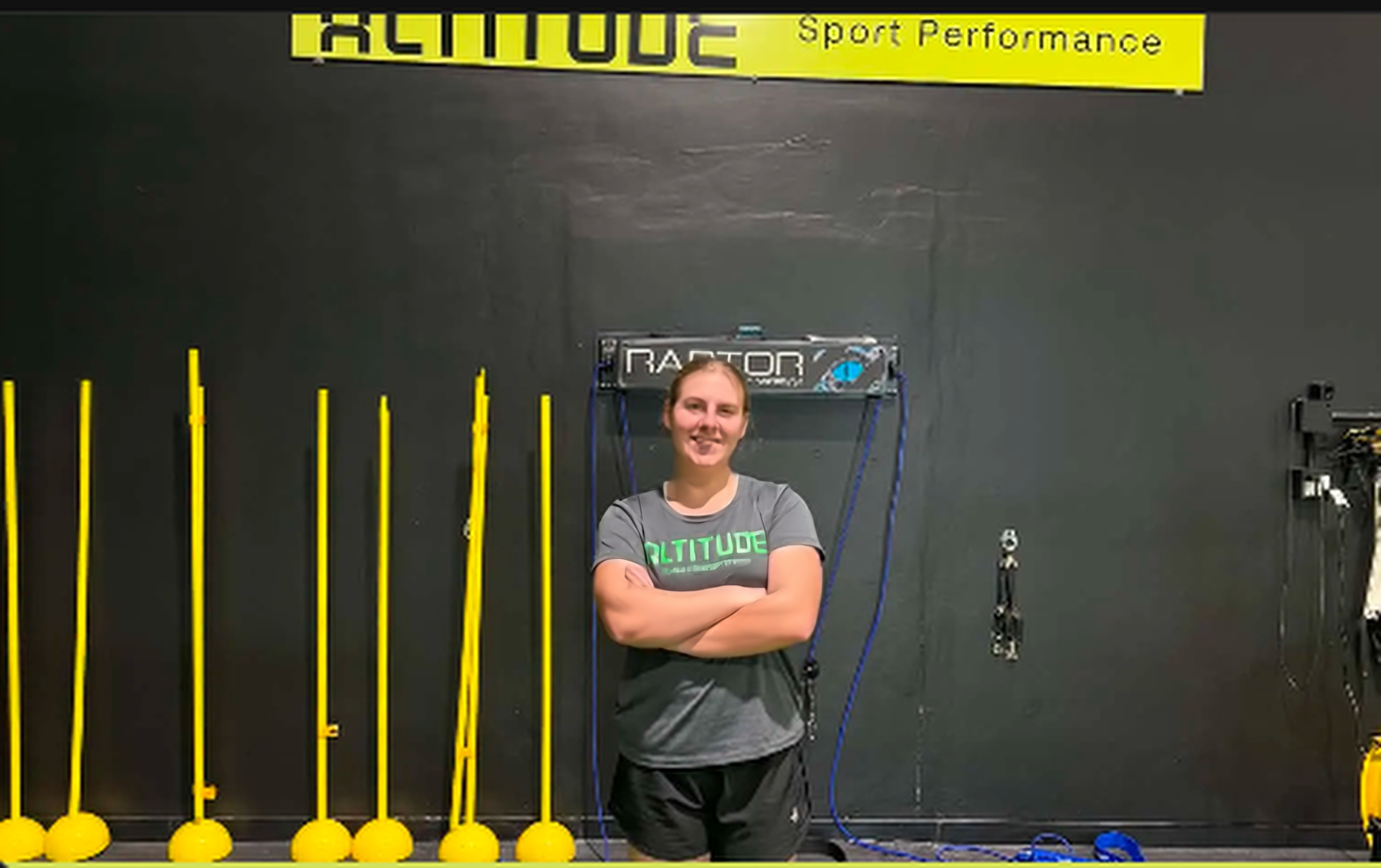
Forster described two levels of adjustment. The first happens during a session. The program is followed as closely as possible, he said, but the body gets a say: if a client’s knee is bothering them, or something happened at home, the coach finds an alternative exercise that trains similar muscle groups and movements and sees whether it works. If it does not, the exercise comes out.
No exercise is mandatory in his system. Forster said some people simply cannot squat, and when squatting hurts there are plenty of other ways to strengthen the legs, such as single-leg variations, isolation work and other movements that are not a squat pattern. He compared training to cooking: turn the heat too high and the dish burns, but cook it carefully and it becomes what it was meant to be. Pushing through pain in the name of no pain, no gain is, in his account, how injuries happen.
The second level comes when the next phase is written. Forster said the coaches look back at what did not work and try something else, relying again on the client’s own report of how each exercise felt: its difficulty, how it sat with their body and how it served their goals. That feedback has limits. He said clients also have to get comfortable being uncomfortable, because not every productive part of training is meant to feel easy.
Retesting Every Three to Four Months
For athletes, the check on the method is a retest. Forster said Altitude runs athletic testing periodically through the year, usually every three to four months, with the timing adjusted for how athletes are feeling and around holidays. Athletes are measured against their own starting numbers, such as vertical jump and acceleration, and the goal is simple: numbers moving in a positive direction.
He is direct about the limits of that goal. Forster said athletes need to understand that it is not humanly possible to improve all the time, and that progress gets harder the longer someone trains. He pointed to Olympic athletes, who train for four years hoping to improve by a small margin. When an athlete’s numbers stop improving, though, he treats it as a signal that something in the program needs to change.
The retest schedule also frames how Forster talks about the competitive season, when many athletes put strength training on hold. He tells them that pausing the training does not pause their development. Athletes cannot always get stronger, he said, but they can avoid regressing: getting slower, weaker, carrying more body fat or becoming more frail. Holding ground in season, in that view, is a result in its own right.
What the Testing Is Meant to Show
The recorded interview explains how Altitude measures progress more than it reports results. Forster did not share test data, average improvements or group results, and no measurements were provided for this feature. What he described is the target: an athlete who starts training at 12 should, by 18, be tangibly stronger, producing more force, more powerful and faster, with each retest showing whether that is happening.
Testimonials published on the Altitude website add first-person accounts from athletes who went on to play in college. Some describe gains in strength and speed that carried over to their sport; others credit the training with teaching them technique, warm-ups and nutrition habits they still use. These are accounts published by the business rather than independently verified outcomes, but they describe the long-term development Forster outlined.
Working Through Old Injuries
In a testimonial published on the Altitude website, Nate Patterson, a Sonora High School basketball player whose entry lists Chapman University, wrote that he had dealt with numerous injuries in the past. After about eight months of consistent training, he wrote, Forster had helped him work through certain weaknesses until, for the first time in years, he felt “completely functional with little to no pain.” He also credited workouts designed around the needs of different athletes. His account reflects the modify-or-remove approach Forster described in the interview. The program itself and any test results were not reviewed for this feature.
Teaching Clients to Need the Coach Less
Forster described an unusual measure of his own success: clients who eventually do not need him. He said a good trainer does not want to keep clients forever. His aim is to teach them how to lift properly, how exercises, reps and selection fit together, and how to build nutrition and hydration habits, so they can go on vacation, move, switch gyms or train with friends and still know what they are doing. Some clients have stayed with him for years, he said, and that is their choice.
The same thinking applies to athletes. Forster said a knowledgeable athlete is better able to look after themselves if they later land with a poor coach. Coaching, in his account, is partly a transfer of knowledge: the program is the vehicle, and the understanding behind it is what the client keeps.
Forster holds himself to the same expectation of continued learning. He said he keeps reading, researching and adding certifications so he does not grow complacent, and that even after about 15 years of training people he does not expect to know everything. The knowledge he hands to clients, in other words, is meant to keep growing on his side of the floor as well.
Who This Method Fits, and Who May Want Another Format
Altitude’s method asks for patience and honest effort in exchange for a program that keeps adjusting. Based on what Forster described, it fits best with people who want coached, structured training and are willing to judge progress over months rather than single sessions.
- Athletes from about age eight up who want baseline testing and regular retests to track speed, power and strength.
- Adults who want an individual program while training alongside others in a small, coached group.
- People who want exercises modified or replaced when something hurts, rather than pushed through.
- Clients who want to learn the reasons behind their training and nutrition so they can eventually train on their own.
- You want open gym access to train on your own schedule without a coach; Altitude does not offer it.
- You are looking for a drop‑in class or a one‑off hard workout; the gym starts everyone with an assessment.
- You want a boot camp or 30‑day challenge built around maximum intensity in every session.
- You need clinical rehabilitation or a written meal plan; Altitude offers coaching and nutrition guidance.
These fit observations are editorial inferences from the coaching model described in the interview, not judgments about any individual’s needs. The initial assessment is the most direct way for a prospective client or athlete to see whether the format suits their goals.
Nutrition Guidance Without a Meal Plan
Forster applies the sustainability test to eating as firmly as to training. A sheet that tells a client to eat tilapia, rice and broccoli and drink water, he said, rarely lasts beyond the short term. A printed workout program and a printed meal plan also cannot adapt to an injury, an illness, children or travel, so the coaches teach habits and the reasons behind them instead.
He is direct about why food choices matter. Forster said eating either helps a client’s goals or makes them worse, and that the body responds to nutrition, macros, vitamins and minerals regardless of personal taste. In practice, though, he does not force clients to eat vegetables they hate; the approach is to find foods they can tolerate and build from there.
There is also a line he does not cross. Forster said the gym gives recommendations and guidelines and talks through eating habits, but does not write meal plans, which he regards as a dietitian’s role in California. Lifestyle shapes the advice too: a 24-year-old with no children and an easy job, he said, can train much differently than a 45-year-old mother of three with a job and other demands.
What Sets Altitude Sport Performance Apart
Altitude puts numbers on athletic development. Athletes are tested at intake on speed, jumping and change of direction and retested every three to four months, which gives the coaches and the athlete a regular check on whether the training is working.
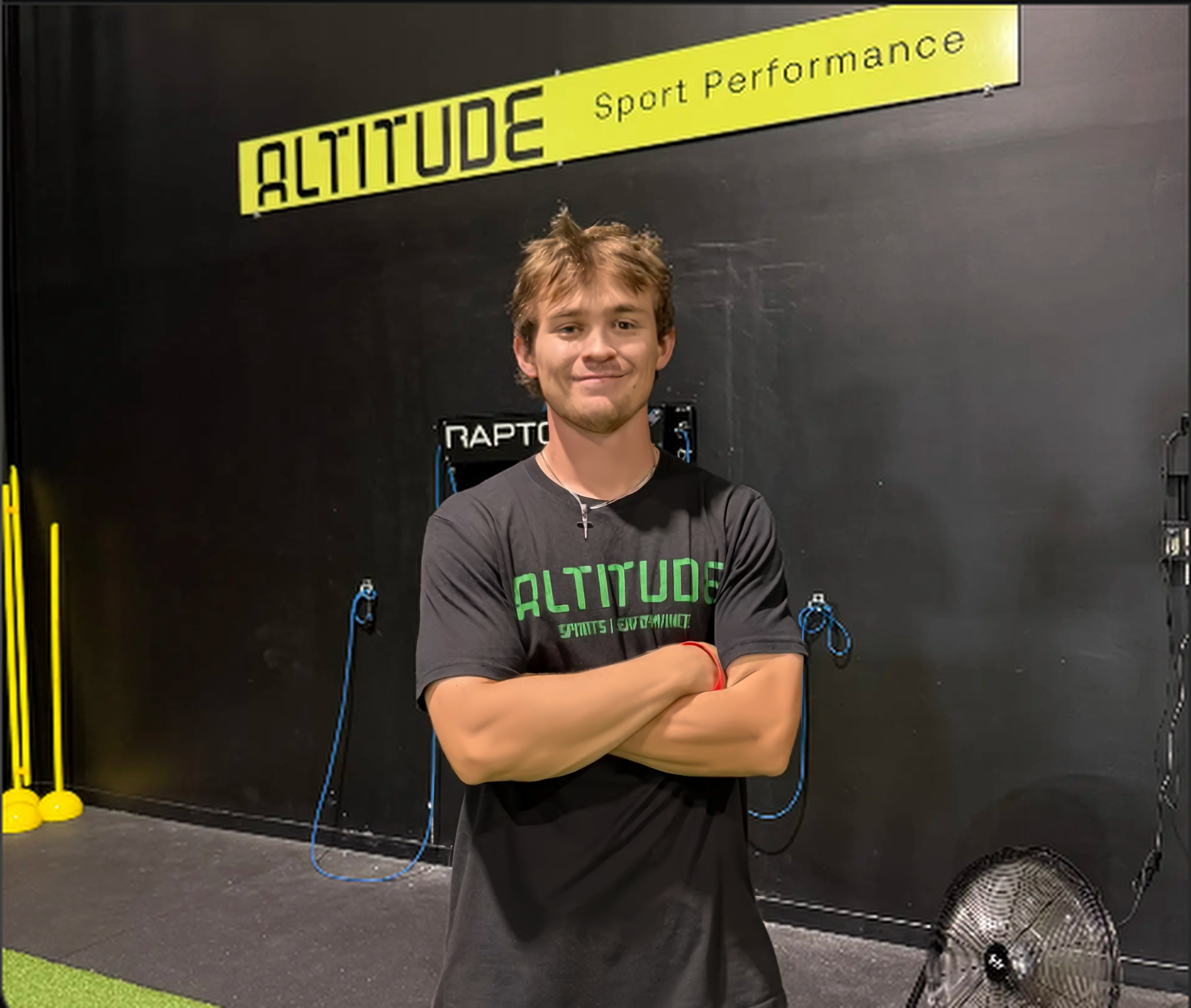
It also pairs a group setting with individual programming. Clients share a coached floor in small semi-private groups, but each follows a program written around their goals, age and schedule and changed in small steps based on their feedback. Forster said he wants every trainer on his staff to hold a certification, and the website lists a personal trainer and two sport performance coaches alongside him.
And it treats restraint as part of the method. There is no exhaustion target, no mandatory exercise and no 30-day finish line. In their place, Forster’s account offers a smaller, repeatable dose and a reason for every change.
A Larger Floor for the Same Method
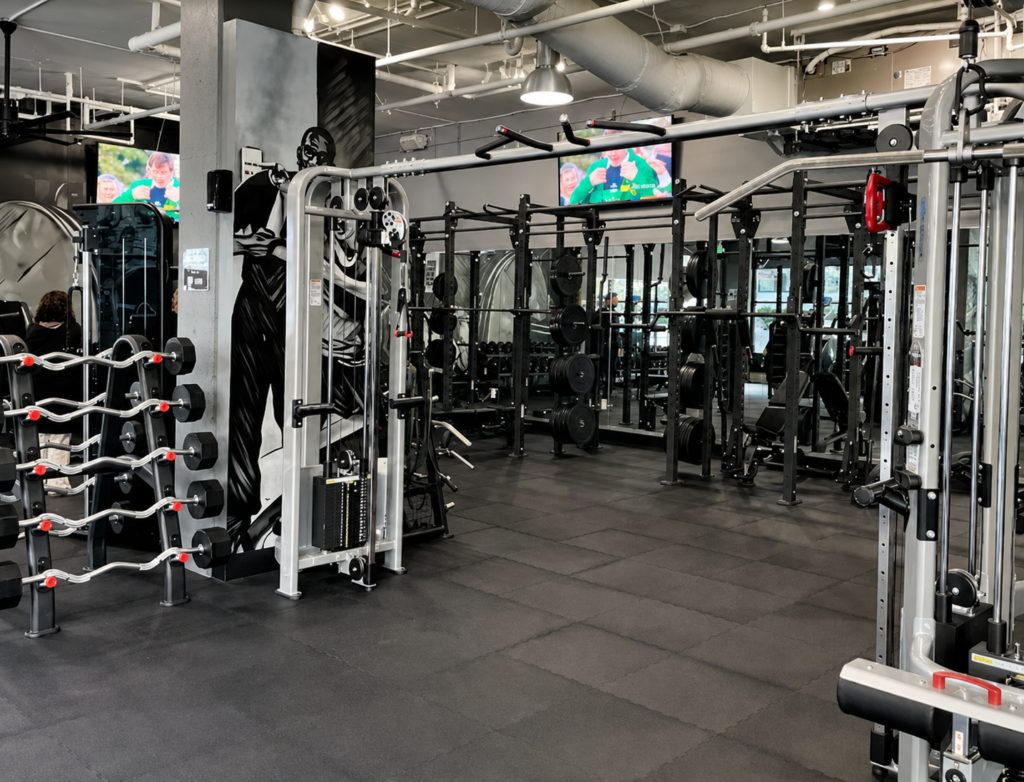
At the time of the recorded interview, Forster said Altitude had moved to a new location in February, which he described as a big upgrade and expansion with more space, more equipment and more staff, and he said more trainers were coming on board. The Altitude website lists the facility at 14991 Camage Ave in Sonora.
The expansion does not change the operating logic he described. The same sequence of screen, test, dose, adjust and retest applies whether the client is an eight-year-old athlete or an adult in their 70s. What a larger floor allows is more people moving through that sequence, on the specialized equipment Forster said is the reason every session runs with a coach present.
- Every new client at Altitude starts with an assessment or trial session, and athletes complete baseline tests of speed, jumping and change of direction.
- Clients train in small semi-private groups with a coach on hand, but each follows an individual program.
- Clients who train twice a week typically follow two full-body programs, so each area of the body is trained twice weekly.
- Forster writes programs for a stimulus the body can adapt to rather than for exhaustion, and expects every rep to carry intent.
- Programs change through small swaps of variations and reps, and exercises that cause problems are modified on the spot or removed.
- Athletes are retested about every three to four months, and holding ground in season counts as progress in its own right.
Productive Is Not the Same as Punishing
Altitude Sport Performance makes a practical case against measuring a workout by how wrecked it leaves someone. Forster’s method asks a narrower question of every session: did it apply enough stress, with enough intent, to produce an adaptation the client can recover from and build on?
Everything else in the system serves that question: the screen and baseline tests at the start, the small swaps instead of program resets, the exercises modified or dropped when they do not work, and the retest every few months that decides what changes next. The interview leaves open how those test numbers have moved across the gym’s athletes, but the decision-making behind each step is clearly described.
For someone considering Altitude, Forster said the first step is to call, text or email him, or to look through the website, which has a lot of information. For local prospects, he said the main thing is to come and see the facility; visitors are welcome to stop in, talk and walk around.
From there, a new client or athlete schedules an assessment at a day and time that works. At the time of the recorded interview, Forster said that first assessment was free. For athletes it includes the athletic evaluation the website says every new athlete completes before training. Memberships are monthly, with twice-weekly, three-times-weekly and unlimited options, and the inquiry form on the Altitude website lets prospects choose between personal training and sports performance.
Explore Altitude Sport Performance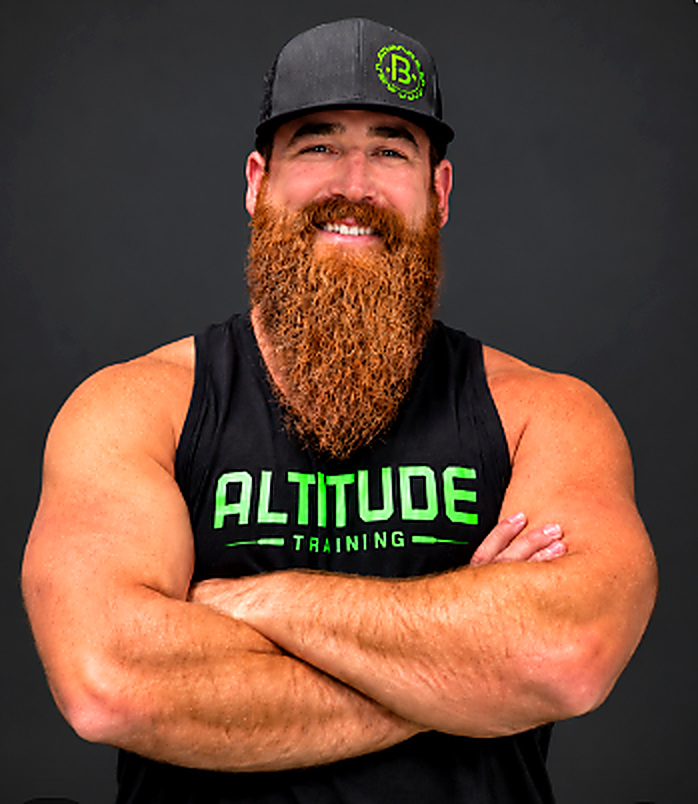
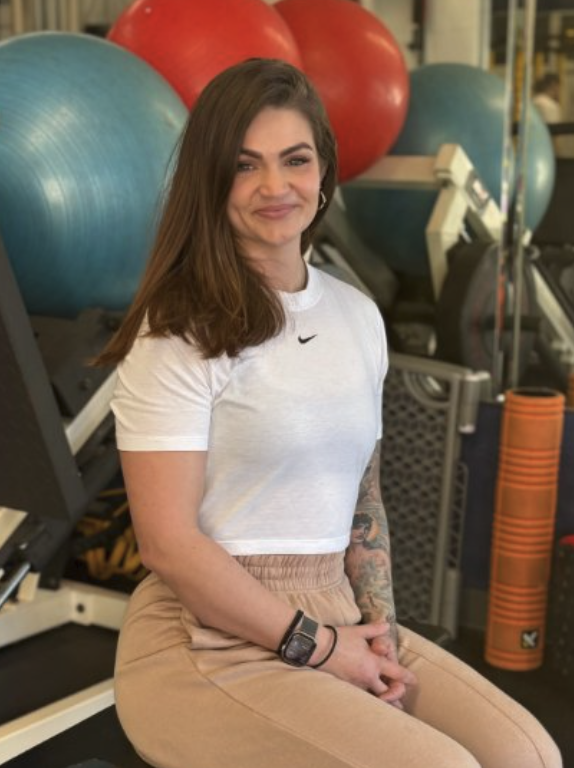
Chris Forster is the founder and owner of Altitude Sport Performance in Sonora, California. Born and raised in Sonora, he spent six to seven years in Orange County working under experienced coaches at performance facilities, completing internships, workshops and certifications and training high-level athletes, and he has nearly 15 years of experience in sports performance training. At Altitude he coaches athletes from about age eight through college and the occasional professional, along with adults into their 70s and 80s. His method starts with a movement screen and, for athletes, baseline testing of speed, jumping and change of direction. Programs are dosed for adaptation rather than exhaustion, adjusted through small swaps and on-the-spot modifications, and checked with retests every three to four months. He wants every trainer on his staff certified and says he keeps learning through reading, research and further certifications.
The feature is based on a recorded interview with Chris Forster, founder and owner of Altitude Sport Performance. The Altitude Sport Performance website was reviewed for business details, service descriptions, the athletic evaluation, staff listings and testimonials published by the business. Photographs, the owner portrait and the logo were provided by the business. Training descriptions, programming decisions, adjustment practices and first-step guidance come from Forster’s interview unless the website is named as the source.
Statements about assessment, testing, program design, intent, adjustments, retesting and nutrition guidance are attributed to or derived from Forster’s interview. Athlete accounts are attributed to testimonials published on the business’s website. None of these statements or accounts was independently verified. This article is editorial; it does not provide medical, rehabilitation, nutrition or individualized training advice, and it does not guarantee outcomes.
- Recorded interview with Chris Forster, owner of Altitude Sport Performance, covering client assessment, athletic testing, program design, training intent, adjustments, retesting and the first-step process.
- Photographs and logo provided by Altitude Sport Performance.
- Altitude Sport Performance website: altitudesportperformance.com, including its services, staff and Wall of Fame testimonial pages.