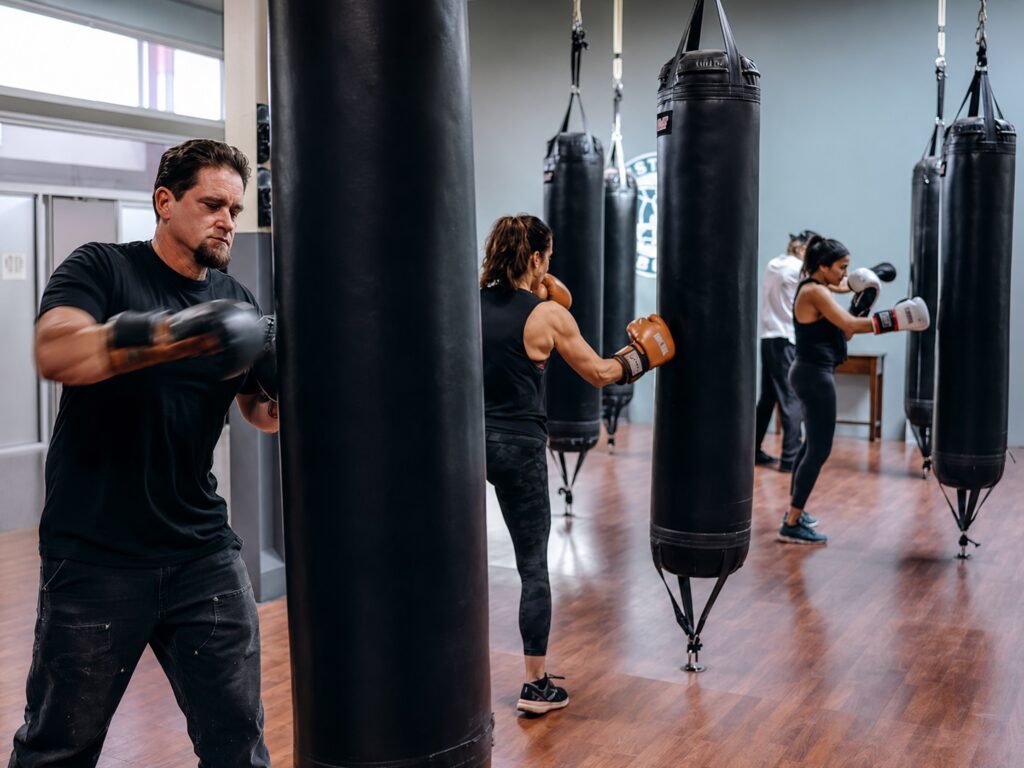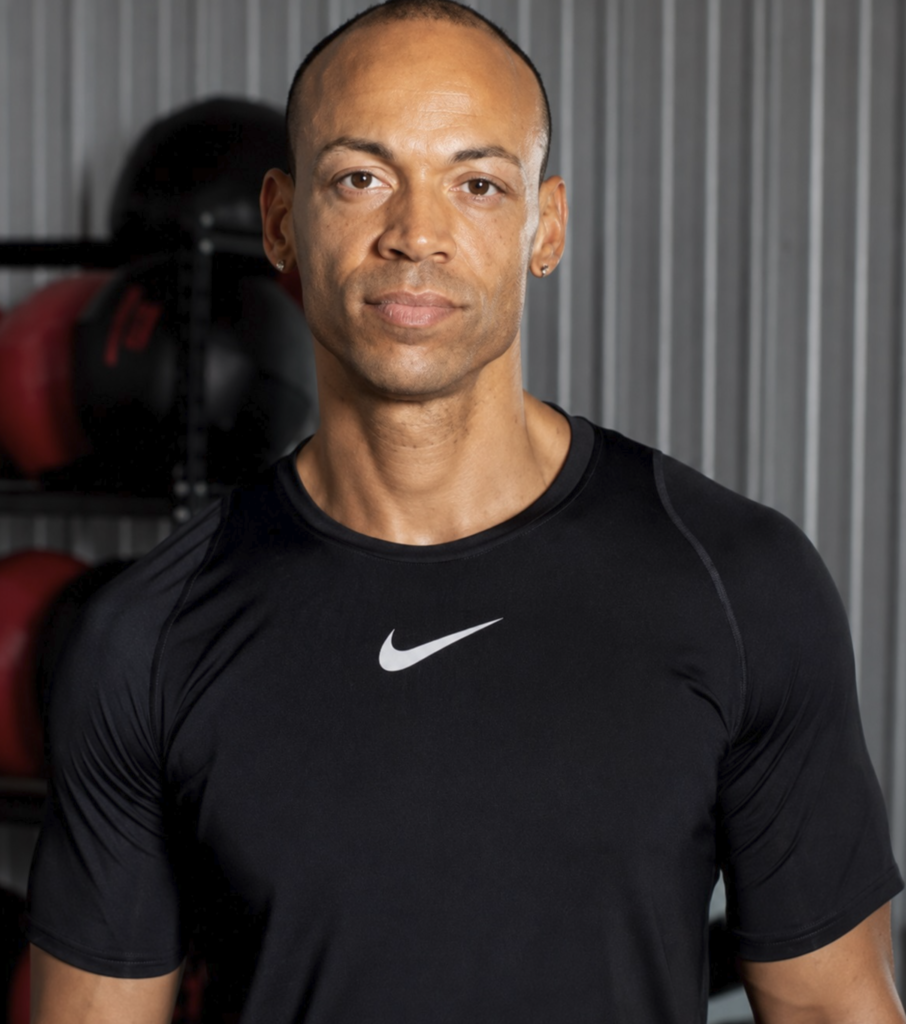


Based on a recorded interview with Wayne Harlan.
Innovative Fitness and Rehabilitation Fresno owner Wayne Harlan has spent about 20 years in the fitness industry, and he now builds his coaching around a number most gym members have never had measured: VO2 max, the volume of oxygen the body can take up and use at full effort. Harlan said every person has one, that it can rise with the right training and that it typically falls with age.
His facility, off Champlain and Perrin in Fresno, works mostly with adults between 50 and 80, though he said it takes clients of any age and fitness level. Many arrive with chronic pain or old injuries and still want to get fitter. Harlan trains them one-on-one or in pairs, coaches others online and gives members access to the floor at any hour.
The method begins with a free one-hour evaluation covering VO2 max, strength, range of motion, balance, mobility and body composition, along with a screen of the visual and vestibular systems. Harlan then writes a program around what the tests show, adjusts it session by session and reassesses every month to check that the numbers are moving.
The Heart and the Brain Come First
Location: Fresno, California
Owner / Interview Source: Wayne Harlan
Business Type: Private personal training facility with online coaching and 24-hour member access
Training Focus: VO2 max development, strength training, vision and vestibular training for balance, mobility and flexibility work, and training for clients with chronic pain
Primary Users: Mostly adults aged 50 to 80, with clients of any age and fitness level accepted
The Evaluation Comes Before the Program
A new client at Innovative does not start with a workout. Harlan said the first meeting is a conversation about what the person is interested in, followed by an evaluation he described as 100% free. It gives the client a full hour to sit down with a trainer and go through their history, whether that means past injuries or simply their earlier experience with exercise. The business website also describes the assessment as complimentary.
Goals come next, then a series of baseline tests. Harlan listed a VO2 max test, strength tests, range of motion, balance, mobility and a body composition analysis. The balance portion includes a vestibular and visual screening, which he said shows how well those two systems are working and how they may be affecting the person’s movement, function and pain.
For clients with chronic pain, the history carries extra weight. Harlan said that part is very important because it lets the trainer work out which system is likely causing the problem. The results set the plan: a number of strength training days, specific visual and vestibular exercises, mobility and flexibility work where needed, and VO2 max and other cardiovascular training on assigned days.
Innovative Fitness and Rehabilitation Fresno at a Glance
Why VO2 Max Sits at the Center
Harlan defines VO2 max as the volume of maximal oxygen uptake: by his description, how much oxygen a person can consume at the muscle when going all out for a minute. It can be tested for each individual, he said, and the result is a number that proper training can raise.
He ties that number directly to the three words Innovative uses as its tagline: health, longevity and quality of life. Harlan said people with a high VO2 max live roughly 15 to 20 years longer, with a higher quality of life. That figure is his statement in the recorded interview; no study was cited or reviewed for this feature. It explains, though, why the test sits at the front of his evaluation.
It also explains his main criticism of the industry he works in. Harlan said most of fitness is fixated on strength training, which he values, while VO2 max is the piece most people are missing and are confused about. Most people, he said, “think that anytime their heart rate goes up, that they are now exercising their heart in a positive way. And unfortunately, it’s not that simple.”
Five Modalities and the Case for the Rower
Harlan said research points to only five exercises that bring a person to 100% of VO2 max and also improve it. He listed running or jogging, cycling, cross-country skiing, rowing, whether indoors or on the water, and the VersaClimber. He did not name the research in the interview, and the claim is reported here as his.
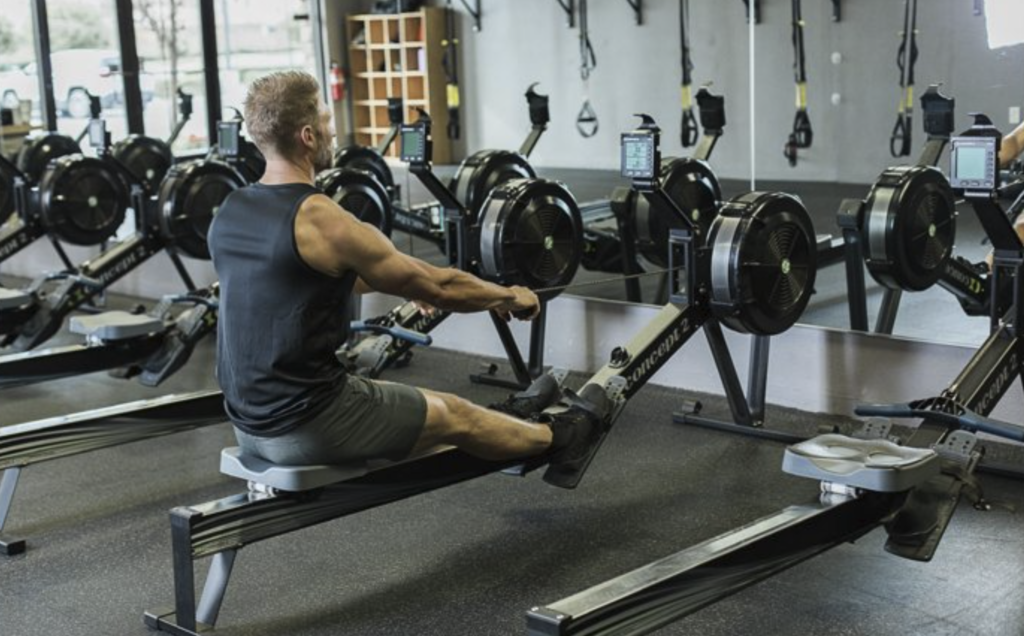
Of the five, he leans on the indoor rower. Harlan called it one of the most effective ways to raise VO2 max and a balanced exercise in terms of how much muscle it puts to work, which is why he recommends it to people who want to be muscular and still have a healthy heart. He said he does not believe he has ever trained on a VersaClimber himself, and that Innovative teaches a lot of people how to row.
The rower is also where his testing has moved into software. Harlan built an app called Row Forge that he said organizes a person’s baseline tests on a rower, gives an estimated VO2 max and writes a personalized program meant to raise it. The Row Forge website names him as founder and says the app works with Concept2 machines fitted with a PM5 monitor.
The Brain’s Part in Pain and Movement
The second half of Harlan’s method came from watching clients respond differently to the same work. Among 20 or 30 clients who are often doing many of the same exercises each week, he said, one may have a hard time moving or be at higher risk of injury. That led him to study neurology: how the brain affects the movement system, pain and injury. The business website lists several Z-Health certifications among his credentials.
It changed who he could train. Harlan said many of his clients describe a bad knee, a bad back, shoulder trouble or injuries from a car accident, yet still want to lose body fat, build muscle, raise their VO2 max and improve their balance. He said those goals and the pain can be worked on together, even within the same session, while lowering the risk of injury.
Vision and the vestibular system, the balance organs of the inner ear, are central to that work. Harlan said many people do not realize the inner ear can contribute to movement problems, tightness, inflexibility and pain. When the screening points there, the program includes specific visual and vestibular exercises alongside the strength and cardiovascular training.
The Innovative Method, Part by Part
A Specific Stimulus for a Specific Person
Asked for the most important principle behind his coaching, Harlan named one he said appears in most personal training certifications: specific adaptation to imposed demands, often shortened to SAID. He described it as the idea that “the human brain and body adapts to a very specific stimulus that you give it.”
Training, in his account, comes down to applying that idea one person at a time. He summed it up as “picking the right stimulus for that person at their particular level,” then giving it to them and helping them progress. By that logic, a VO2 max goal calls for the kind of effort that raises VO2 max and a balance problem calls for balance work; neither is expected to improve as a side effect of general exercise.
The principle also governs dose. To call the work personal training, Harlan said, means it has to be personalized, and that includes the level of intensity and the specific amount of load a client is given, so the person adapts at the right speed. Get that right, he said, and the risk of injury goes down while progress comes as quickly as the person can manage.
Adjusting in the Moment
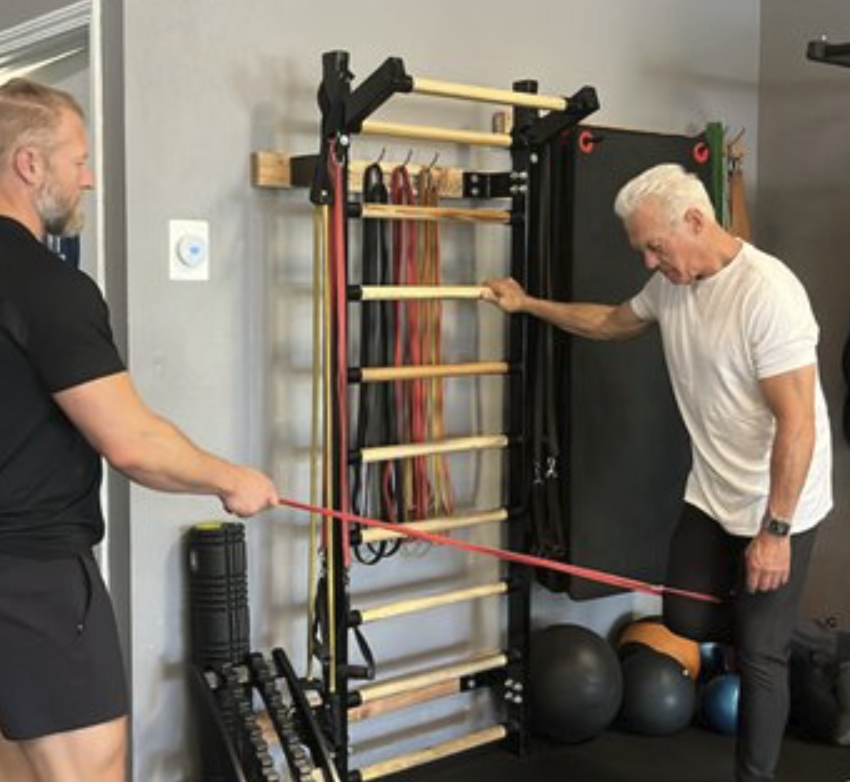
Asked when he changes a client’s training, Harlan said it happens almost daily. A client arrives for an appointment, he has a plan for the hour, and the client reports something new. His example was a tight back: a person who says they do not feel ready for squats, deadlifts or intense rowing intervals until it is dealt with.
The response is immediate and specific. Harlan said the trainer can turn to hip mobility work, lumbar spine mobility or other drills aimed at the issue. In most cases, he said, clients feel great after those drills and are ready to start the planned session.
He described that kind of real-time problem solving as a rewarding part of the job. It also shows how the two sides of the method meet in practice. The planned work, whether strength training or rowing intervals, stays in the session, and the drills that address pain or tightness are used to get the client ready for it.
Reassessment Every Month
“The reassessment is critical,” Harlan said when asked how he knows the approach is working. Innovative runs check-ins on a monthly basis, and each one returns to the tests from the first evaluation.
He listed what gets checked: body composition, the balance system, mobility, range of motion, flexibility and strength, along with a retest of VO2 max and the other cardiovascular baselines. He called all of them critical to making sure a client is heading in the right direction.
The schedule gives the program a regular decision point. A client who started with a VO2 max result, strength results and a balance assessment sees those same measures again a month later, which gives trainer and client a basis for what comes next. Online clients follow the same rhythm, with monthly check-ins handled through the coaching app, Harlan said.
What the Monthly Tests Are Meant to Show
The recorded interview explains how Innovative measures progress more than it reports results. Harlan did not share test data, average changes in VO2 max or group outcomes, and no measurements were provided for this feature. He did describe one recent case: a client in her 60s with chronic hip pain whose evaluation pointed to the vestibular system. After six to eight weeks of twice-weekly sessions that included inner-ear training, he said, she was free of the pain and able to begin a strength program. That account is his and was not independently verified.
Testimonials published on the Innovative website add first-person accounts. One client wrote that sessions with Harlan did more to reduce her pain and help her move than the physical therapy she had tried. These are accounts published by the business rather than independently verified outcomes, and individual results will differ.
Fitness Data Beyond the Scale
In a testimonial published on the Innovative website, client Kay Garabedian wrote that the goal was to stay flexible and strong, with good heart health, while getting older. The testimonial describes a low-impact rowing program and a personalized workout plan, and says exercise became enjoyable for the first time. It also credits the objective, measurable fitness data the training provides, in contrast to tracking only weight or body measurements. The account is consistent with the test-and-retest approach Harlan described in the interview. The program itself and any test results were not reviewed for this feature.
Three Ways to Train
Innovative delivers the method in three formats. The first is private training on the floor, which Harlan said is one-on-one or up to two people within an hour. The business website describes sessions as one hour long and booked in advance.
The second is online coaching for clients anywhere, including those in another city or state and those who train at home or at a local gym. Harlan said the trainers build complete programs: strength training, cardiovascular programming, vision and vestibular training for balance, mobility and flexibility work, and meal plans. Everything is delivered through an app with exercise videos, regular communication and monthly check-ins.
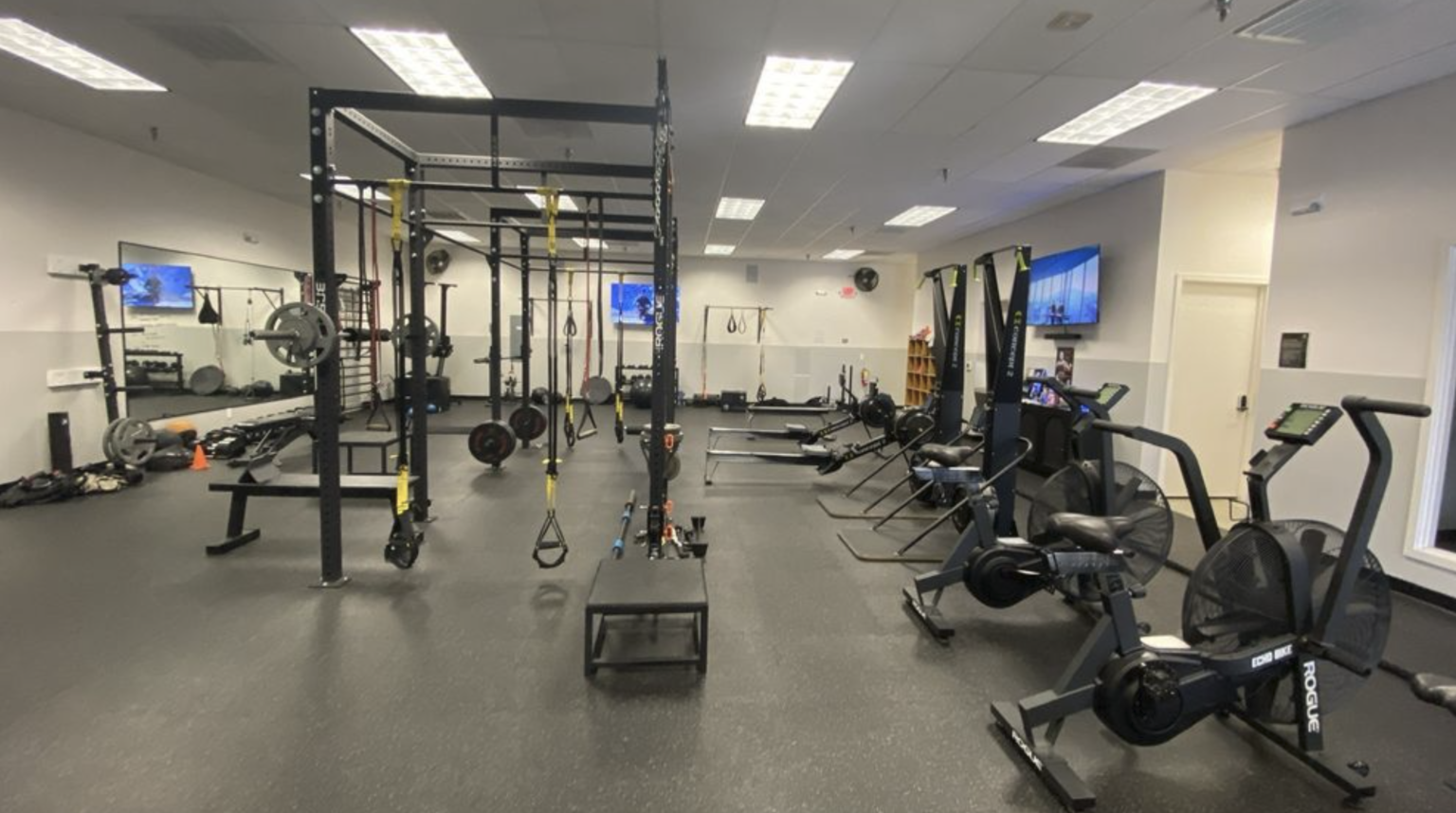
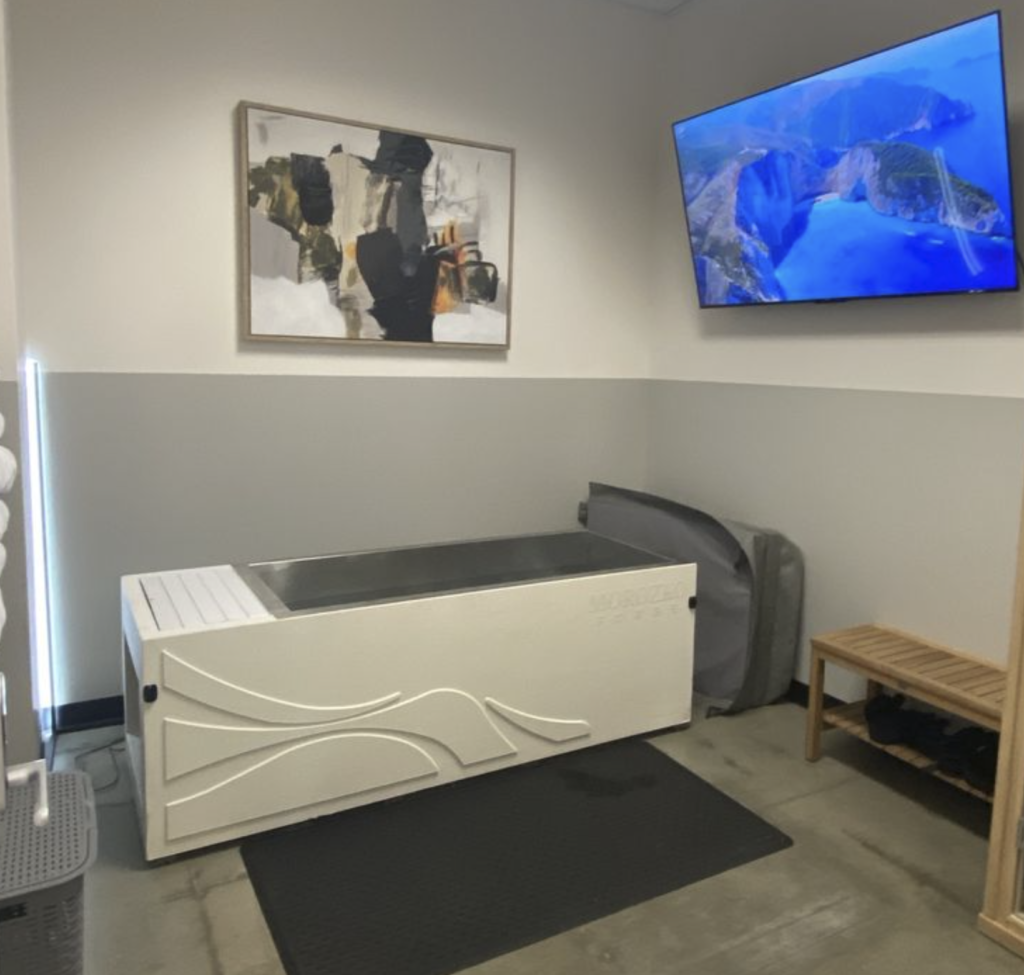
The third is membership. Harlan said members can let themselves in at any hour using app-based door access and use the strength and cardiovascular equipment on their own time, along with a medical-grade infrared sauna and a Morozko Forge ice bath. He said a free evaluation comes with any package or membership, so the testing reaches members who train alone as well.
Who This Method Fits, and Who May Want Another Format
Innovative’s method asks clients to be tested, to follow a plan built from the results and to be tested again. Based on what Harlan described, it fits best with people who want measurable feedback on their heart, strength and balance, including those training around pain.
- Adults in their 50s through 80s who want their heart, strength and balance measured and tracked.
- People with chronic pain or old injuries who still want to build fitness under close supervision.
- Anyone who wants cardiovascular training built on a tested VO2 max and checked every month.
- Clients who prefer private sessions, or remote coaching with a full program delivered by app.
- You are looking for large group classes; Harlan described sessions for one or two clients.
- You would rather not be tested; the method starts with an evaluation and repeats it monthly.
- You need diagnosis or medical treatment for an injury; this feature describes fitness training.
- You want a program built only around lifting; here strength work shares the week with cardio.
These fit observations are editorial inferences from the coaching model described in the interview, not judgments about any individual’s needs. The free evaluation is the most direct way for a prospective client to see whether the format suits their goals.
Where Strength Training Fits
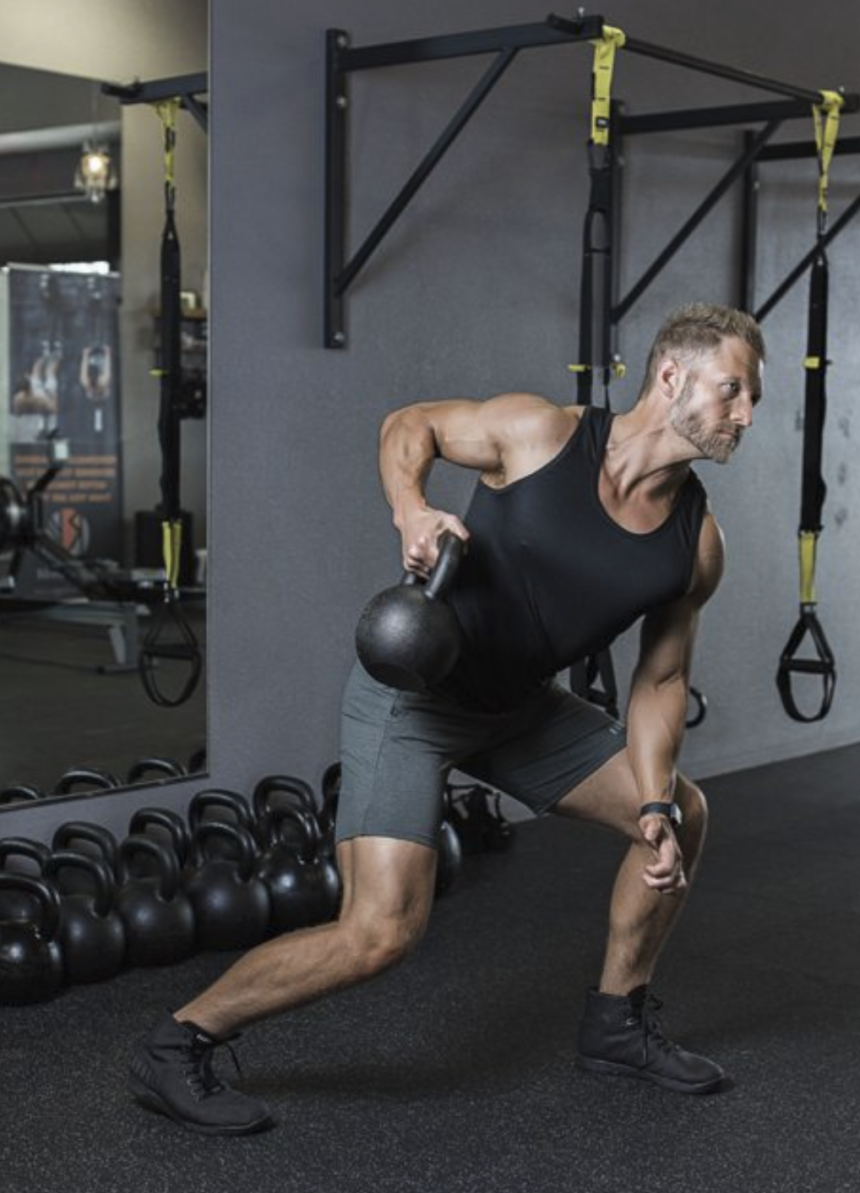
Harlan’s emphasis on VO2 max is not an argument against lifting. He said strength training is great for muscle growth, bone density, power and strength, and that it is an element of health and longevity in its own right. Innovative encourages it and, he said, offers strength training programs of its own.
His point is about proportion. In his view the industry’s focus on strength has left cardiovascular capacity as the missing piece, so his programs give both a place in the week: assigned strength days, and separate days for VO2 max and other cardiovascular development. The strength tests in the evaluation help determine how much of a client’s time should go toward building muscle.
Sequence matters as well. In the case Harlan described, the client’s strength program began only after her hip pain had resolved, while her shoulder continued to improve through proprioceptive and mobility work. In that example, the order was to find the system behind the problem, address it, and then add load.
What Sets Innovative Fitness and Rehabilitation Apart
Innovative treats VO2 max as something to test and train directly. New clients get a measured starting point at the evaluation, and the cardiovascular work is built on the modalities Harlan said are able to raise it, with the indoor rower first among them.
It also screens the visual and vestibular systems alongside strength and mobility, for a clientele that is mostly 50 to 80 years old. When a client arrives with a painful hip or a history of injuries, the question is which system may be behind it, and the program is written with that answer in mind.
And it checks its own work on a schedule. Monthly reassessments return to the original tests, and the same structure extends to online clients and, through the Row Forge app Harlan built, to people training on a rower elsewhere.
Beyond the Fresno Floor
At the time of the recorded interview, Harlan said he was building a team and helping other trainers turn the work into a career, drawing on his 20 years of experience. He also described a wider aim: to teach people what VO2 max is, why they should know their number and how to train to raise it.
Two parts of the business already carry the method past the building. Online coaching delivers full programs, including vision and vestibular work, to clients in other cities and states, and the Row Forge app puts baseline testing and a written rowing plan in front of people who never visit Fresno. The sequence stays the same in each case: test, train to the result and test again.
- Every new client at Innovative starts with a free one-hour evaluation covering history, goals and baseline tests.
- The baseline tests include VO2 max, strength, range of motion, balance, mobility and body composition, plus a visual and vestibular screen.
- Harlan builds cardiovascular training on the modalities he said raise VO2 max, with the indoor rower as his main tool.
- Vision and vestibular exercises are programmed when the screening suggests those systems are affecting movement or pain.
- Programs follow the SAID principle, with load and intensity set for the individual and drills added in the moment when needed.
- Monthly reassessments repeat the original tests, and the same check-ins apply to online coaching clients.
A Faster Pulse Is Not Proof of a Trained Heart
Innovative Fitness and Rehabilitation Fresno makes a practical case against judging exercise by how hard the heart is beating. Harlan’s method asks a narrower question of every program: is it aimed at the system that needs to change, at a level this person can adapt to, and does a later test show that it worked?
Everything else in the system serves that question: the one-hour evaluation, the VO2 max test and vestibular screen, the specific stimulus chosen for each client, the drills added when pain or tightness appears, and the monthly reassessment. The interview leaves open how far those numbers have moved across the client base, but the reasoning behind each step is clearly described.
For someone considering Innovative, Harlan said the first step is to text or call 559-908-2700, or to visit the website, which has ways to get in touch and, he believes, to schedule an appointment. He also pointed to the business’s Instagram account as a route to booking.
From there, a new client sits down for the one-hour evaluation, which covers history, goals and the baseline tests. At the time of the recorded interview, Harlan said there were no special offers running, but that the evaluation is free and is included with any package or membership. The website describes sessions as pre-booked, with 24 hours’ notice required to cancel.
Explore Innovative Fitness and Rehabilitation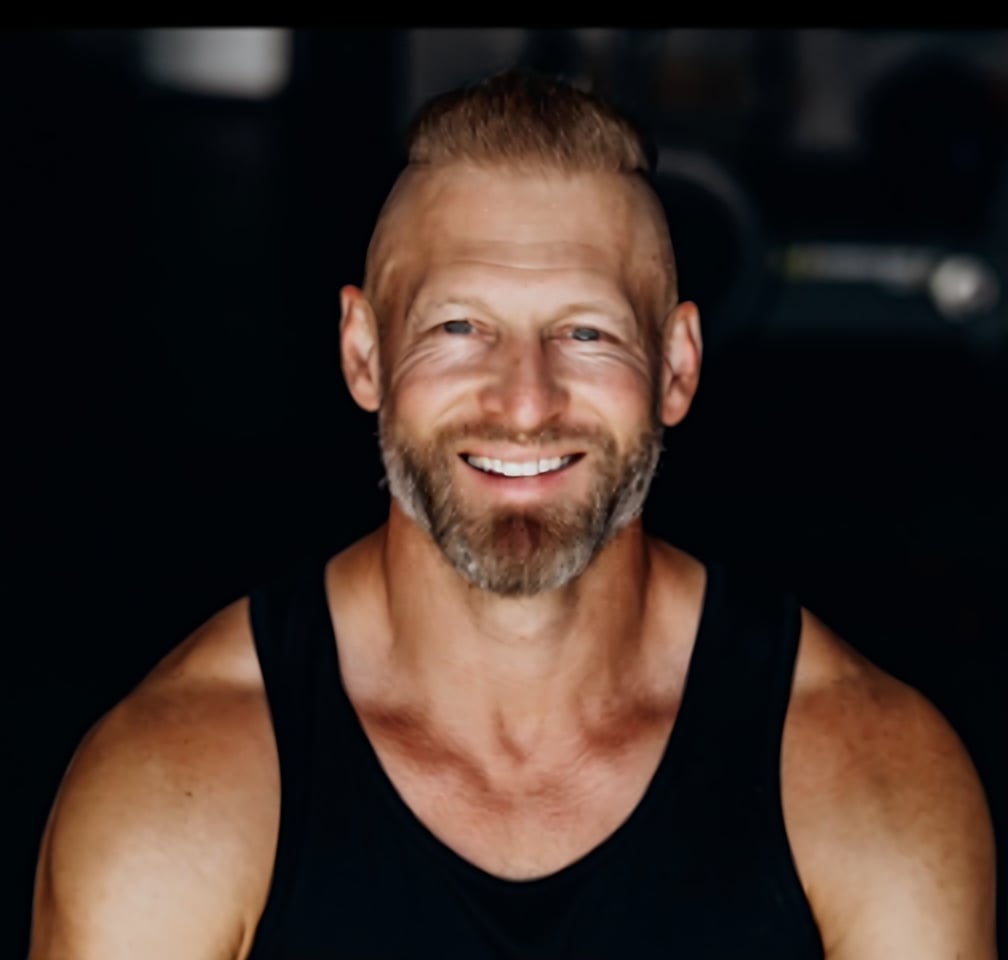
Wayne Harlan is the owner of Innovative Fitness and Rehabilitation in Fresno, California, and has worked in the fitness industry for about 20 years. The business website says he has been a personal trainer since 2007 and lists certifications from the International Sports Sciences Association, Z-Health and Cardio Code. His method starts with a free one-hour evaluation that includes a VO2 max test and a visual and vestibular screen. Programs follow the principle of specific adaptation to imposed demands and are checked with monthly reassessments. He trains clients privately and online, mostly adults aged 50 to 80, and built the Row Forge app for rowing-based testing and programming.
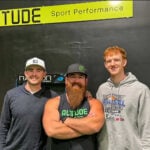
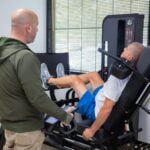
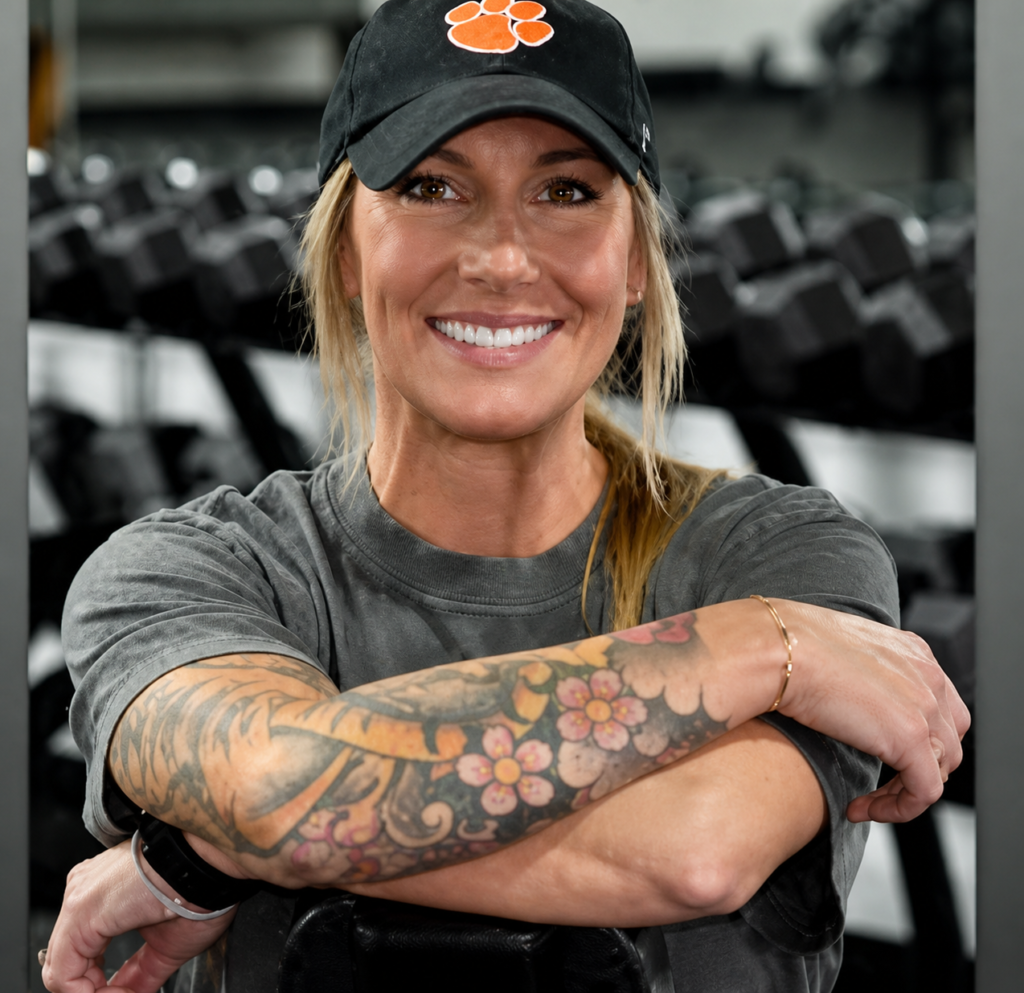
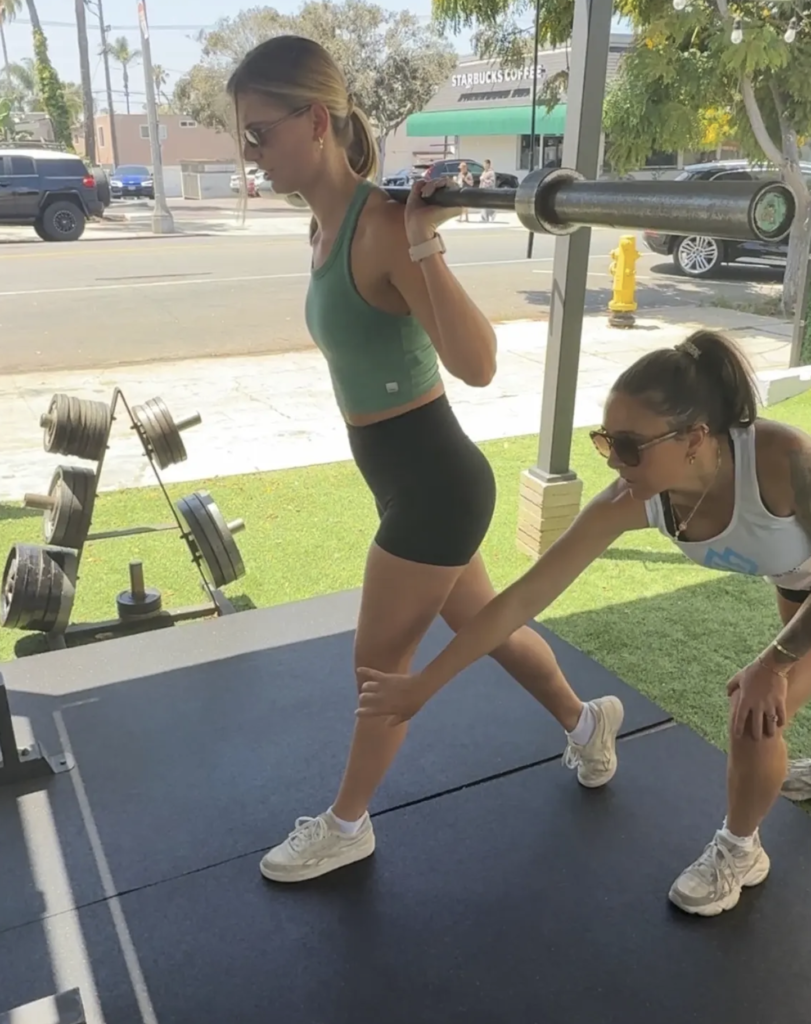
The feature is based on a recorded interview with Wayne Harlan, owner of Innovative Fitness and Rehabilitation. The business website was reviewed for contact details, session policies, Harlan’s listed certifications and testimonials published by the business, and the Row Forge website was reviewed for details of the app. The owner portrait, the logo and the photographs were supplied to the magazine for this feature. Training descriptions, testing practices, programming decisions and first-step guidance come from Harlan’s interview unless a website is named as the source.
Statements about VO2 max, longevity, exercise selection, the vestibular system, pain, program design and reassessment are attributed to or derived from Harlan’s interview. Client accounts are attributed either to Harlan or to testimonials published on the business’s website. None of these statements or accounts was independently verified, and no research was reviewed. This article is editorial; it does not provide medical, rehabilitation, nutrition or individualized training advice, and it does not guarantee outcomes.
- Recorded interview with Wayne Harlan, owner of Innovative Fitness and Rehabilitation, covering the client evaluation, VO2 max testing, exercise selection, vision and vestibular training, program design, adjustments, reassessment and the first-step process.
- Owner portrait, photographs and logo supplied for this feature.
- Innovative Fitness and Rehabilitation website: innovativefitrehab.com, including its owner, personal training, contact and client testimonial pages.
- Row Forge website: rowforge.com, for details of the rowing app Harlan built.