

Get Featured→
  • Latest
  • Desks
    39 Articles

    Authority Spotlights

    Profiles of coaches, trainers, and facilities distinguished by a clear, defensible training method and a record of meaningful client results.
    36 Articles

    Training Systems

    Programming frameworks, training models, and repeatable systems designed to produce reliable performance outcomes.
    32 Articles

    Strength & Muscle

    Strength development, hypertrophy, resistance methods, and the coaching principles behind durable physical capacity.
    13 Articles

    Corrective Exercise

    Assessment-led movement, corrective strategies, rehabilitation-informed training, and intelligent progression.
    35 Articles

    Coaching Intelligence

    The decisions, communication, observation, and professional judgment that separate effective coaching from generic instruction.
    33 Articles

    Measurement & Results

    Testing, progress tracking, outcome measurement, client evidence, and the standards used to determine what is actually working.
  • Authority Spotlights
  • Training Systems
  • Strength & Muscle
  • Corrective Exercise
  • Coaching Intelligence
  • Measurement & Results
Muscle & Authority Magazine™
Get Training Insights→
Font ResizerAa
Muscle & Authority Magazine™Muscle & Authority Magazine™
Get Training Insights→Get Featured→
Search
  • Editorial Desks
  • Authority Spotlights
  • Training Systems
  • Strength & Muscle
  • Corrective Exercise
  • Coaching Intelligence
  • Measurement & Results
  • Publication
  • About
  • Get Featured
  • Editorial Standards
Follow US
Authority SpotlightsCoaching IntelligenceCorrective ExerciseMeasurement & ResultsStrength & MuscleTraining Systems

ThaBox Latta: Movement-First Strength Training and Results-Driven Coaching

In a retrofitted machine shop in Latta, South Carolina, owner and coach David Deberry has built ThaBox around movement assessment, corrective work, timer-based circuits scaled to each member, and rep counts compared each time a workout returns.

Published May 27, 2026 · Updated Oct. 18, 2026
Muscle & Authority Editorial Team
ByMuscle & Authority Editorial Team
The editorial desk behind Muscle & Authority Magazine™ examines training methods, coaching systems, and measurable progress. Authority Spotlights are prepared from recorded owner interviews, with attention...
Follow:
Share
SHARE
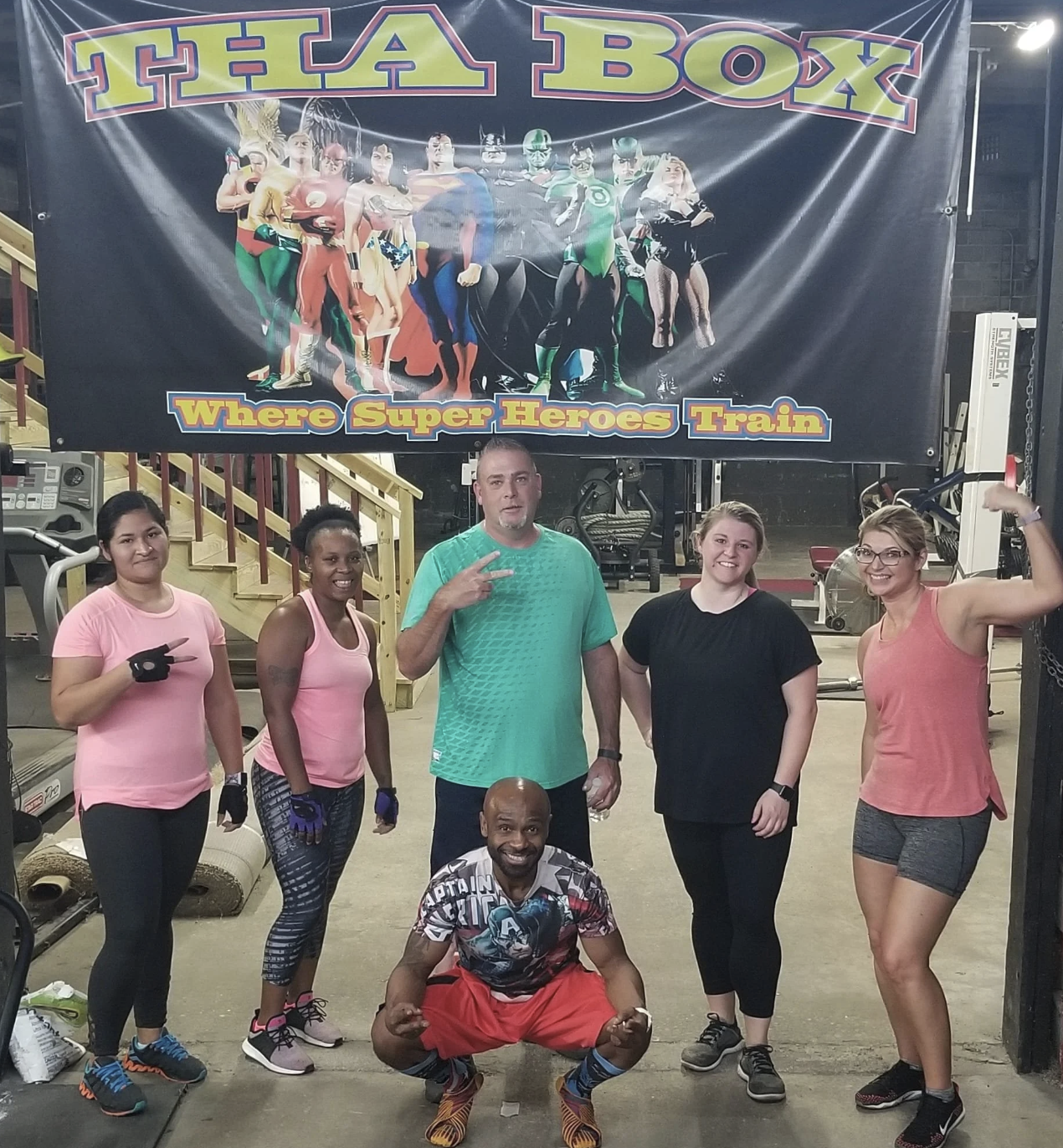
Six people posing beneath a Where Super Heroes Train banner at ThaBox in Latta, South Carolina
Business Snapshot Six people pose on the gym floor beneath the “Where Super Heroes Train” banner, one crouching in front and one flexing at the end of the row. Photo: Courtesy of ThaBox
Authority Spotlight
Muscle & Authority MagazineTM
Training Methods / Coaching Standards / Local Fitness Leadership
Editorially prepared from a recorded interview with David Deberry

In a fitness market where many people judge a facility by its lighting, mirrors, and social-media appeal, ThaBox has earned its identity in a different way: through coaching substance. Deberry’s gym is not built around appearances first. It is built around movement, effort, assessment, and the steady process of helping people become more capable than they were when they walked in.

That makes ThaBox a coaching story, not just a local business profile. The real subject is the method: how Deberry evaluates movement, scales workouts, documents progress, coaches different ability levels, and helps members understand that training is not only about fatigue. It is about building a body that can move, perform, recover, and keep improving.

In practice, Deberry works from the sequence he applies to athletes: move well, then move well under load, then move well at speed. Timed circuits carry that logic into each session, with a newer member starting at 30 seconds of work and a longer rest before progressing, and reps are logged so that when a workout returns, the numbers show whether the body has improved.

The Authority Standard

ThaBox: Movement-First Strength Training and Results-Driven Coaching in Latta, SC

At ThaBox, owner and coach David Deberry has built a gym around movement assessment, scalable workouts, hard coaching, and a simple rule: before clients are asked to do more, they need to move better.
Latta, South Carolina   /   Movement Quality   /   Strength & Conditioning   /   Client Progress
Method
Before Intensity
A closer look at the training philosophy, workout systems, and coaching discipline behind one of Latta’s most work-focused fitness environments.
Training Dossier
Business: ThaBox
Location: Latta, South Carolina
Founder / Interview Source: David Deberry
Business Type: Work-focused strength and conditioning gym in a retrofitted machine shop
Training Focus: Movement assessment, scalable strength and conditioning, corrective exercise, and measurable work capacity
Primary Clients: Student athletes, older adults, general members, and beginners
M&AView Contents
M&AAuthority Spotlight
Contents
Method File · 8 Sections
Inside the Method

A structured guide to the training methods, coaching philosophy, progression system, client experience, and evidence examined in this Authority Spotlight.

  1. 01The Experience Behind ThaBox
  2. 02A Training Philosophy Built on Movement First
  3. 03The Workout Methods: Assessment, Timers, Circuits, and Progression
  4. 04What ThaBox Does Best
  5. 05Client Results Are Measured in More Than Sweat
  6. 06The Client Experience: Challenging, Scaled, and Personal
  7. 07What Sets ThaBox Apart Locally
  8. 08Why Local Readers Should Pay Attention
Featured Pull Quote
“Our gym is the place for people who thought they couldn’t find out they could.”
David Deberry
The Experience Behind ThaBox

David Deberry’s credibility is grounded in time under the bar, time on the floor, and time spent coaching real people. His path into fitness began with his own effort to change his body and self-image, then developed into a professional track after others began seeking his advice. He later worked in fitness environments including Fitness World Gyms in Florence and the City of Dillon Wellness Center before coming to ThaBox in 2015.

Today, his expertise is not presented as a slogan. It appears in the details of how he coaches: the overhead squat assessment, the corrective exercise plan, the ankle mobility check, the timed circuit, the documentation of reps, and the close attention to what each client actually needs. For Deberry, the work is personal because the programming is personal.

Why This Feature Was Selected
Muscle & Authority Magazine™ selected this spotlight angle because ThaBox demonstrates a clearly defined training philosophy, practical coaching systems, local relevance, and an emphasis on measurable client progress rather than generic workout claims.
Fact File

The Operating Details Behind the Method
Business Type
Work-focused strength and conditioning gym in Latta, South Carolina, set inside a retrofitted machine shop and led by owner and coach David Deberry.
Training Philosophy
Movement quality comes before intensity, following the progression Deberry described for athletes: move well first, then under load, then fast.
Assessment
Movement assessment sets the starting point, with an overhead squat assessment, an ankle mobility check, corrective exercise and re-evaluation among the coaching tools.
Workout Structure
Timer-based circuits may pair one minute of work with 30 seconds of rest across several movements and rounds, producing a focused 30-minute session.
Beginner Scaling
Newer members can start with 30 seconds of work and longer rest, then move to 45 seconds on and 45 off, with movements such as burpees modified using equipment.
Progress Tracking
Reps are documented across movements such as push-ups, squats and ring rows, then compared when the workout returns, with sleep, nutrition and consistency reviewed if numbers drop.
Inside the Method
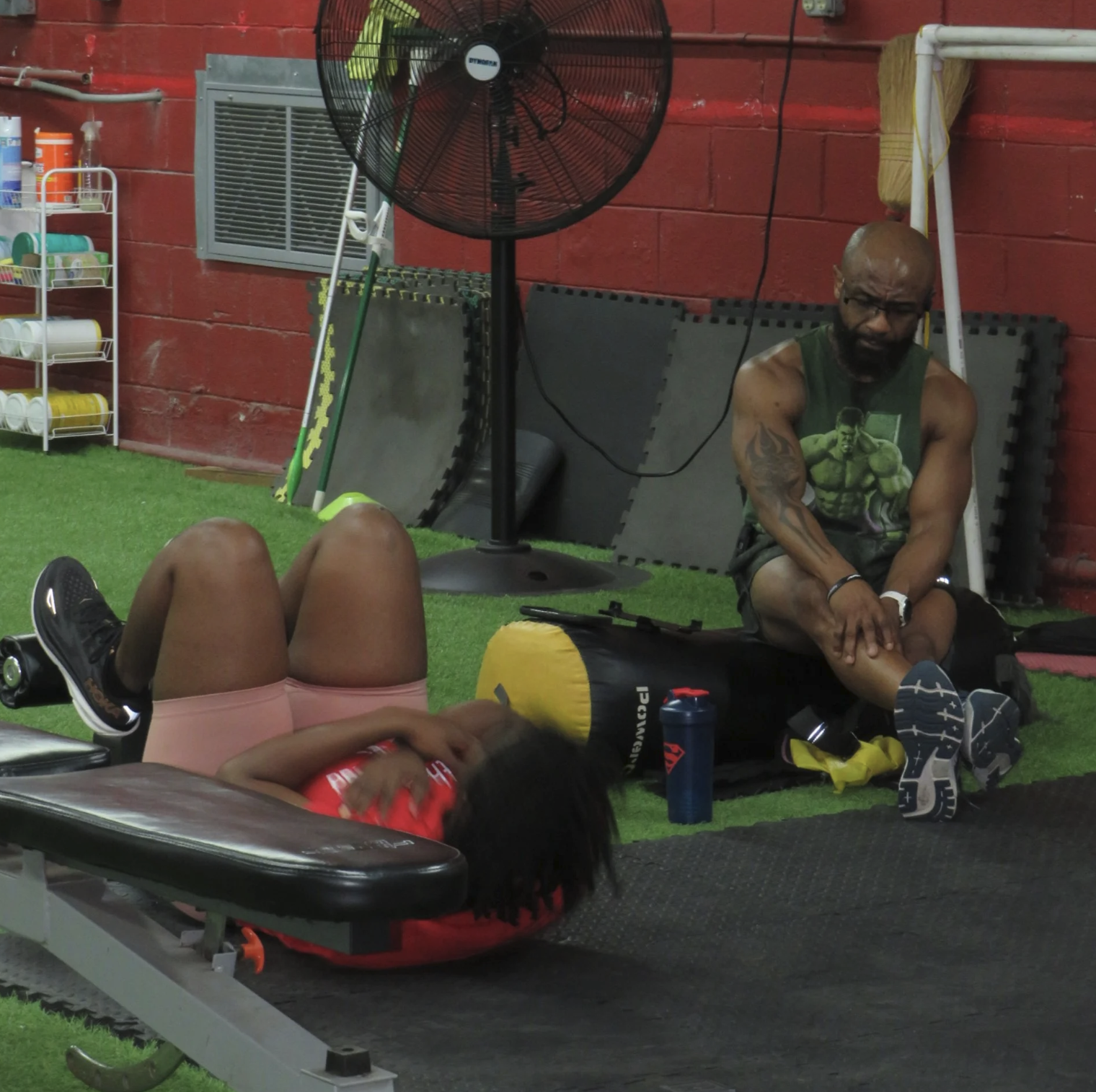
A coach seated on the turf watching a client exercise on the floor beside a flat bench at ThaBox in Latta
Inside the Method: A coach sits on the turf and watches closely as a client works through an exercise on the floor beside a flat bench, in front of the gym’s red brick wall. Photo: Courtesy of ThaBox
A Training Philosophy Built on Movement First

Deberry’s training philosophy starts with a simple premise: people should not rush into harder training before their movement gives them a foundation to handle it. He looks for the movement impairments that can show up from everyday life, including weak glutes, tight hip flexors, and limited ankle mobility. Those issues may seem small until a person tries to lift heavier, move faster, cut harder, or absorb force under fatigue.

His clearest principle is the progression he described for athletes: move well first, move well under load, then move well fast. That philosophy is especially relevant for student athletes, where he sees recurring problems around ankles, knees, and hips, often connected to repeated sport movements and limited downtime. In Deberry’s system, training is not just about making the workout harder. It is about making the body better prepared.

Editor’s Note
ThaBox stands out not because it follows the look of modern fitness culture, but because it reflects an older and more durable model: assess carefully, coach personally, and let progress prove the method.
The Workout Methods: Assessment, Timers, Circuits, and Progression

ThaBox is known for circuit-style training, high-energy sessions, and workouts that can be adjusted for different levels. Deberry often trains with a timer. A standard structure may use one minute of work followed by 30 seconds of rest across multiple movements and rounds, creating a focused 30-minute training session. But that is not where every person starts.

For a newer member, the same workout concept can be scaled down: 30 seconds of work with a longer rest period, then 45 seconds of work with 45 seconds of rest, then a more demanding interval if the person is ready. That progression gives members a challenge without making the first experience feel like punishment. It also reveals one of Deberry’s core coaching instincts: intensity has to be earned, not dumped onto people indiscriminately.

He applies the same thinking to movement selection. A burpee, for example, can be modified with equipment so a member can train the pattern at a level that fits their current ability. In his words, there is nothing he does with an elite athlete that he cannot adjust into a version for a novice. That principle is what makes the gym’s work demanding without being exclusionary.

Coaching Philosophy
Good coaching is not simply knowing how to push people. It is knowing what to look for before the push begins.
Client Results Are Measured in More Than Sweat

When Deberry talks about results, he does not limit the conversation to weight loss. He names weight loss, muscle development, improved quality of life through movement, better sport performance, better self-image, more confidence, and a stronger understanding of exercise, equipment, and movement. The range matters because ThaBox serves people with different starting points and different reasons for training.

One of his most practical coaching habits is documentation. In one workout example, he tracks reps across movements such as push-ups, squats, and ring rows, then compares performance when the workout returns later. If a member improves, the progress is visible. If the numbers move in the wrong direction, the conversation turns to sleep, nutrition, consistency, weekend behavior, and other variables that may have affected performance.

That is an expert’s mindset. It treats training as a process that can be observed, adjusted, and improved. It also gives clients something more useful than a vague feeling that the workout was hard. It gives them evidence.

Method Brief
What ThaBox Does Best
Primary Focus
Movement-first strength and conditioning built around assessment, correction, and scalable challenge.
Workout Style
Timer-based circuit sessions, strength work, conditioning, boxing-related tools, sleds, ropes, machines, free weights, and movement modifications.
Progress System
Rep documentation, repeated workouts, work-capacity comparison, behavior review, consistency checks, and re-evaluation after corrective work.
Who It Serves
Student athletes, older adults, general members, beginners, and clients who want coaching rather than guesswork.
The ThaBox Formula
Move well first. Earn the intensity. Let the documented reps show the change.
ThaBox’s central operating principle is sequence rather than any single exercise. Deberry establishes where a person is through movement assessment, scales timed circuits to that starting point, and records reps so a returning workout can be compared. The result is training that stays demanding without becoming reckless, because progress is observed and adjusted rather than assumed.
The Client Experience: Challenging, Scaled, and Personal

Deberry wants members to have a challenging experience, but not one that defeats them. His goal is to establish where a person is, push them to the edge of that ability, and keep the work demanding enough to create progress without giving them too much too soon. That balance is central to the ThaBox experience.

It is also why Deberry says one of the things he does better than many gyms is knowing his people. Some clients come in with stated goals around fat loss, muscle gain, or athleticism. Others may simply need exercise without having to design their own workouts. Some require more frequent accountability. Deberry adjusts the coaching relationship based on what the person actually needs, not only what they said on day one.

That level of observation is what turns a gym into a coaching environment. It is not only about having equipment. It is about knowing how to use that equipment with the person standing in front of you.

“Everybody’s here with the purpose in mind to be better today than we were yesterday, regardless of where we were at yesterday.”
David Deberry
What Sets ThaBox Apart Locally

In Deberry’s view, two things separate ThaBox from many training environments: movement assessments and understanding the client. The assessments give him a clearer starting point. The relationship gives him context. Together, they allow him to coach people with more precision than a one-size-fits-all workout can offer.

The gym itself has an old-school feel. Deberry describes it as an old machine shop that was retrofitted into a training space. It has racks, dumbbells, sled work, bags, ropes, machines, mats, recovery tools, conditioning equipment, and a range of strength equipment. It has not always been the polished, mirror-lined environment some modern gymgoers expect. Its identity has been more direct: the work comes first.

That choice has created both a challenge and a distinction. In a local market with brighter, more social gyms nearby, ThaBox has to compete for attention. But its standing comes from what is harder to imitate: coaching presence, accountability, movement literacy, and a training culture that values the process behind the result.

Market Position
In a Latta market with brighter, more social gyms nearby, ThaBox competes on coaching presence, accountability and movement literacy rather than polish.
Its local relevance comes from serving people with different starting points under one coaching approach. Beginners need structure, athletes need movement quality and performance work, older adults need movement for quality of life, and busy adults may need accountability. The old machine shop setting signals that the work comes first, and word of mouth has been its strongest source of new members.
Why Local Readers Should Pay Attention

ThaBox matters locally because it addresses a gap that many people feel but cannot always name. Beginners often need structure. Athletes need movement quality and progressive performance work. Older adults need movement that supports quality of life. Busy adults may need accountability as much as a workout plan. Deberry’s approach gives each of those groups a place to start.

His strongest source of new members has been word of mouth, which is often the clearest signal that a gym is doing something specific enough for people to talk about. For ThaBox, that “something” is not simply hard training. It is hard training with context, correction, tracking, scaling, and a coach who is paying attention.

Executive Summary
Key Takeaways
  • ThaBox’s method starts with movement assessment before intensity.
  • Deberry uses corrective work, re-evaluation, and workout scaling to create better starting points.
  • His timer-based circuit structure allows training to be demanding without being reckless.
  • Client progress is tracked through work capacity, consistency, and repeated performance markers.
  • ThaBox stands out locally through coaching substance, member knowledge, and practical results.
Closing

The Serious Work Behind Better Training

The reputation of ThaBox is not based on spectacle. It is based on a coach’s insistence that better training begins with better understanding. Deberry wants members to move well, work hard, build confidence, and see proof that they are improving. His methods are practical, grounded, and built around the belief that progress should be challenging without being careless.

In Latta, that makes ThaBox more than a place to train. It makes it a local example of what fitness coaching can look like when movement quality, accountability, and real-world progression come before noise.

The Bottom Line
ThaBox’s credibility comes from a clear coaching order: assess the body, correct the weak links, scale the work, then build intensity with purpose.
Muscle & Authority Magazine™
Membership / The First Step
Learn More About ThaBox

Readers interested in David Deberry’s movement-first coaching, scalable workouts, and results-focused training environment can learn more about ThaBox online.

Visit ThaBox
The Owner
David Deberry
Owner and Coach, ThaBox
Latta, South Carolina

David Deberry leads ThaBox with a coaching philosophy built around movement quality, scalable training, work capacity, and member-specific accountability. His work focuses on student athletes, older adults, and general members who want training that is structured, challenging, and grounded in real coaching.

Reader Briefing
Movement First, Scaled Intensity, and a Clear Starting Point
A concise editorial briefing on the movement-first philosophy, scaled workout structure, and entry path behind ThaBox in Latta, South Carolina.
01 / Movement First
Why does ThaBox begin with movement quality instead of harder training?
David Deberry holds that no one should be rushed into harder training until their movement can support it. He looks for everyday impairments such as weak glutes, tight hip flexors and limited ankle mobility, and follows a progression of moving well, then under load, then fast.
02 / Scaled Intensity
How can the same ThaBox workout serve both a novice and an elite athlete?
Deberry runs timed circuits that can be scaled: a newer member may begin with 30 seconds of work and a longer rest, then progress to 45 seconds on and 45 off. He holds that anything he does with an elite athlete can be adjusted for a novice.
03 / First Step
What is the recommended first step for someone new to ThaBox?
Readers interested in Deberry’s movement-first coaching can start by learning more about ThaBox through the gym’s official website. Once training begins, the method opens with movement assessment, and the work is scaled so the first experience is challenging without feeling punishing.
Briefing Takeaway
ThaBox does not build its case on appearance or spectacle. Its operating logic is sequence: assess how a person moves, correct what limits them, scale the work to their starting point, and document reps so improvement can be seen in the numbers.
About This Story

This feature is based on a recorded interview with David Deberry, owner and coach of ThaBox, and on source material provided by the business, including the photographs and logo shown here and an earlier spotlight article supplied for reference. The official ThaBox website, linked above, is also among the sources. Details on movement assessment, corrective work, workout structure, progress tracking, and the client experience come from Deberry’s interview, and direct quotes are used only where they are clearly present in the interview transcript.

Statements about coaching methods, client progress, and results are attributed to Deberry’s account rather than presented as guarantees, and claims are kept to what the source material supports. This article is editorial; it does not provide medical, rehabilitation, nutrition, or individualized training advice, and it does not guarantee individual outcomes. Readers should consult a qualified professional before beginning or changing a fitness program.

Sources
  • Recorded interview with David Deberry, owner and coach of ThaBox, April 20, covering movement assessment, corrective work, workout structure, progress tracking, and the client experience.
  • Photographs, logo, and business source material provided by ThaBox, including location details for Latta, South Carolina.
  • An earlier spotlight article on ThaBox, supplied as a reference.
  • ThaBox website: thabox.live, the gym’s official site.
More Authority Spotlights
RG AthleticsBuilding Progress Through Form, Range of Motion and Deliberate Progression
Ultra Fit · Upstate South CarolinaCan Muscle-First Training Replace Hours of Cardio?
Newport PeachDoes Class Size Change the Workout? How Newport Peach Coaches the Peach Step Method
The Yard Strength Training · Bay AreaCan Booking Your Own Squat Rack Make You Stronger?
Inside the Method
01The Experience Behind ThaBox
02A Training Philosophy Built on Movement First
03The Workout Methods: Assessment, Timers, Circuits, and Progression
04Client Results Are Measured in More Than Sweat
05What ThaBox Does Best
06The Client Experience: Challenging, Scaled, and Personal
07What Sets ThaBox Apart Locally
08Why Local Readers Should Pay Attention
Get Featured
Built a method worth examining?
See how studio owners, coaches and wellness providers can be featured in a Muscle & Authority Magazine™ Authority Spotlight.
Get Featured

Related training methods

Explore more coaching approaches to assessment, movement quality and progressive strength.

  • Misfit Strength & Circus: Seattle Coaching Method
  • Top Tyr Training: Corrective Strength in Torrance
Share This Article
Email Copy Link Print
ByMuscle & Authority Editorial Team
Follow:
The editorial desk behind Muscle & Authority Magazine™ examines training methods, coaching systems, and measurable progress. Authority Spotlights are prepared from recorded owner interviews, with attention to how each approach is taught, adapted, and assessed. Coverage distinguishes documented outcomes, professional observations, and individual experiences.
Previous Article Love Life Fitness women-only training environment in Fort Mill Love Life Fitness Fort Mill: Inside the Training Methods Driving Real Results
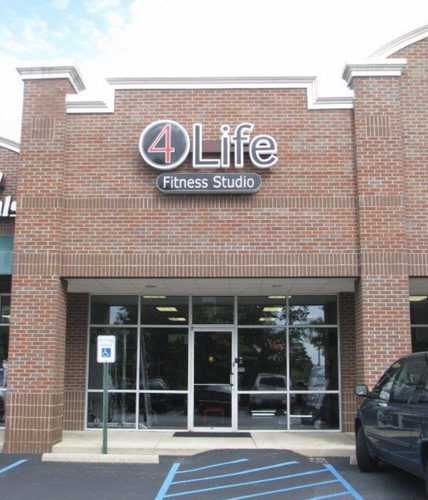
Next Article 4Life Fitness Studio Greer: Strength, Nutrition, and Personal Support

You Might Also Like

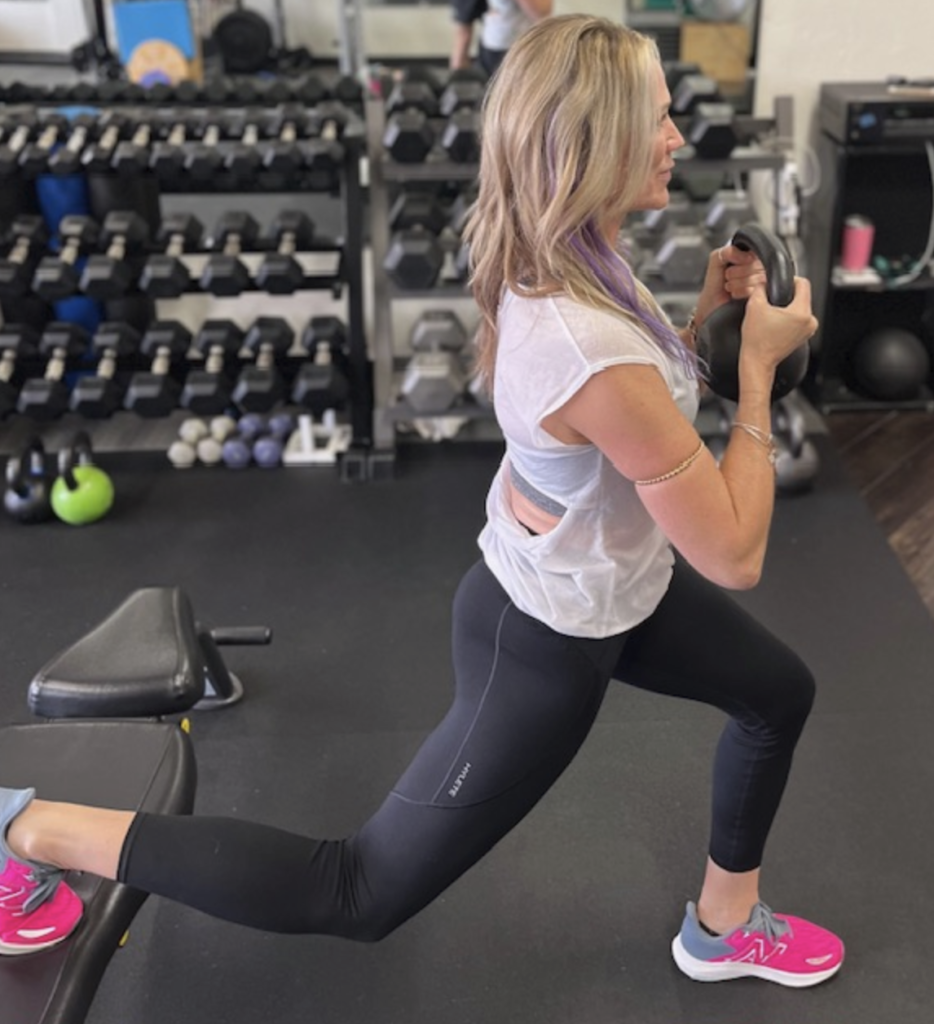
Colleen Naus performing a kettlebell split-squat in the pillarPERFORMANCE strength area in Carlsbad California
Authority SpotlightsCoaching IntelligenceCorrective ExerciseMeasurement & ResultsStrength & MuscleTraining Systems

pillarPERFORMANCE Carlsbad: Where Pilates and Functional Strength Are Taught as One Discipline

October 18, 2026
Authority SpotlightsCoaching IntelligenceMeasurement & ResultsStrength & MuscleTraining Systems

The Strength Code Toluca Lake: Slow-Motion Strength Training in 30 Minutes

October 18, 2026
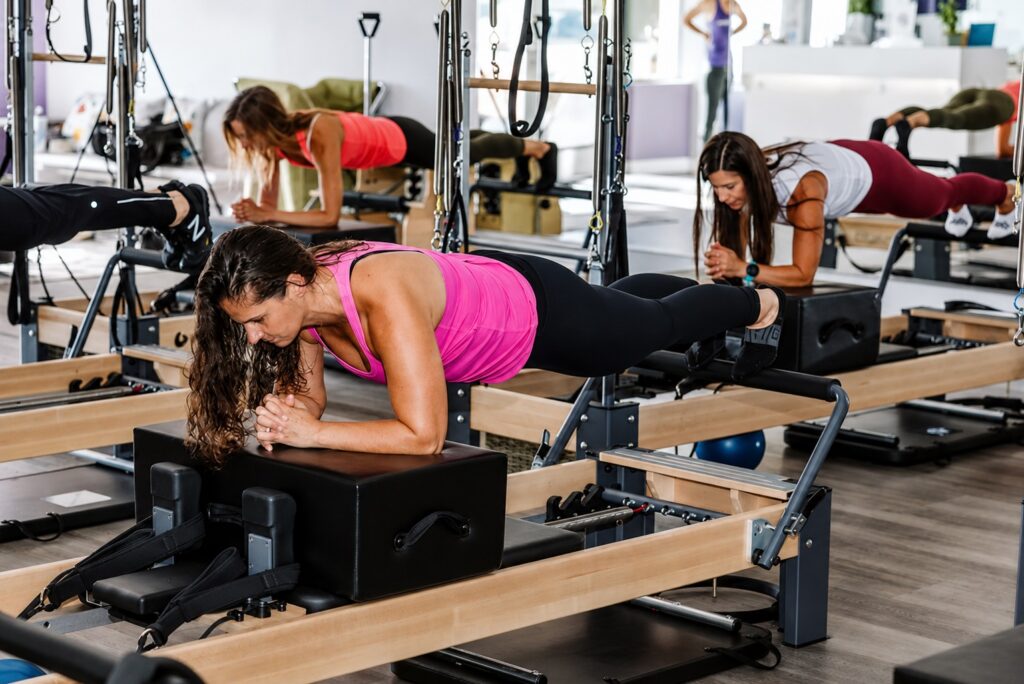
Core Sport Pilates studio and reformer training
Authority SpotlightsCoaching IntelligenceCorrective ExerciseMeasurement & ResultsStrength & MuscleTraining Systems

Core Sport Santa Barbara: Pilates Programming Built for the Client, Not a Format

October 18, 2026
Sozo Family Fitness strength training and coaching in Chapin South Carolina
Authority SpotlightsCoaching IntelligenceCorrective ExerciseMeasurement & ResultsStrength & MuscleTraining Systems

Sozo Family Fitness Chapin: Customized Training and Whole-Person Coaching

October 18, 2026
Muscle & Authority Magazine™

Independent editorial coverage of the training systems, coaching methods, measurement disciplines, and performance standards producing meaningful results.

Methods & Coverage

  • Authority Spotlights
  • Training Systems
  • Strength & Muscle
  • Corrective Exercise
  • Coaching Intelligence
  • Measurement & Results

Publication

  • About
  • Editorial Standards
  • Get Featured
  • Corrections & Contact
© 2026 Muscle & Authority Magazine™. Independent fitness journalism. All rights reserved.
Welcome Back!

Sign in to your account

Username or Email Address
Password

Lost your password?